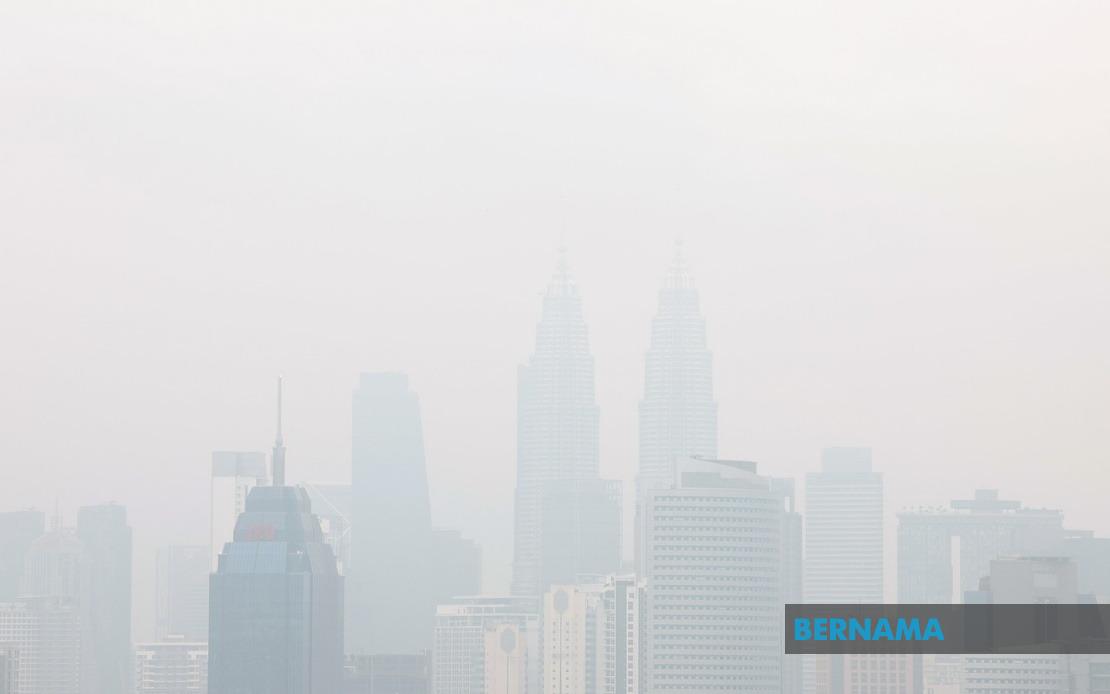
The transboundary haze situation afflicting southern ASEAN shows signs of intensifying as meteorological conditions continue to favour the spread of smoke and air pollution across the region. The ASEAN Specialised Meteorological Centre cautioned on Wednesday that if prolonged dry weather patterns remain entrenched in the coming week, the hotspot and haze crisis could deteriorate substantially, elevating the risk of cross-border air contamination affecting multiple countries simultaneously.
The current atmospheric conditions reveal a concerning pattern of smoke plume concentration concentrated across key areas of Indonesia's affected provinces. Dense and moderate smoke layers have been documented sweeping across West, Central and South Kalimantan, whilst similar conditions grip the central and southern zones of Sumatra. Scattered hotspot clusters continue to appear sporadically throughout Indonesian territory, suggesting that fire activity remains active even as authorities grapple with containing the existing blaze impacts. The geographic spread of these smoke sources indicates a widening problem that extends far beyond isolated incident zones.
Malaysia has become increasingly vulnerable to the downstream effects of this crisis. As of Wednesday morning, the Air Pollutant Index Management System recorded unhealthy air quality readings across 17 monitoring locations distributed among six states and two Federal Territories. Sarawak emerged as particularly severely affected, with three distinct areas breaching hazardous thresholds. Sri Aman recorded the highest measurement in the state at 167, closely followed by Serian district police headquarters at 166 and Samarahan at 162. Western Peninsular Malaysia also experienced widespread unhealthy conditions, with multiple stations across Selangor, Kuala Lumpur, Negeri Sembilan, Johor, Melaka, Perak and Putrajaya all registering air quality in the hazardous range.
The meteorological outlook provides little immediate relief for affected populations. Prevailing wind patterns over the southern ASEAN region are anticipated to maintain their southeast to southwest trajectories during the coming period. These wind movements effectively channel smoke plumes from burning areas towards Malaysia and other downwind nations, creating a mechanism for continued transboundary pollution. Understanding this wind-driven transport system is crucial for predicting which regions will face the most severe impacts and for timing public health advisories accordingly.
Singapore's current situation demonstrates how the haze phenomenon manifests differently depending on geographic proximity and atmospheric conditions. The city-state's National Environment Agency reported air quality remaining at moderate levels, with 24-hour Pollutant Standards Index readings fluctuating between 59 and 78 as of mid-Wednesday afternoon. The central region of Singapore recorded the highest measurements, though these levels remain substantially below the hazardous thresholds affecting Malaysian stations. This disparity illustrates how transboundary haze impacts neighbouring jurisdictions asymmetrically based on wind patterns and distance from burning sources.
The timing of this haze episode carries particular significance for Malaysian policymakers and public health authorities. The August period typically marks the beginning of seasonal patterns that can either alleviate or perpetuate haze conditions depending on broader monsoon dynamics. If the anticipated dry period extends beyond normal seasonal parameters, the region may face an extended crisis requiring sustained regional coordination and emergency response measures. This convergence of immediate atmospheric threats with longer-term seasonal uncertainties underscores the vulnerability of Southeast Asian nations to transboundary environmental hazards.
Regional cooperation mechanisms will prove critical in managing this developing situation. The ASEAN Specialised Meteorological Centre's role as the primary technical authority for regional air quality assessment positions it as essential infrastructure for early warning and coordinated response. However, translating meteorological intelligence into effective mitigation actions requires functioning diplomatic channels and predetermined protocols for cross-border environmental emergencies. Malaysia's experience with previous haze episodes demonstrates both the complexity of regional coordination and the necessity of advance planning.
The human dimension of this crisis extends beyond air quality statistics into public health impacts that will unfold over coming weeks. Populations in affected areas face respiratory health risks, with vulnerable groups including children, elderly residents and persons with pre-existing lung conditions facing heightened exposure. Schools and workplaces must navigate decisions about outdoor activity restrictions, whilst healthcare systems prepare for potential surges in respiratory complaints. These cascading social consequences amplify the importance of accurate forecasting and timely public communication.
Indonesia's role as the geographic origin of these transboundary emissions places particular responsibility on its authorities to contain fire activity and minimise smoke generation. The presence of hotspot clusters across multiple provinces suggests that fire-management challenges extend beyond isolated areas into systemic issues affecting forest protection and land-use management. Regional neighbours including Malaysia have legitimate interests in Indonesia's fire suppression efforts, as the downstream effects of inadequate containment are borne by populations across ASEAN. This reality creates natural incentives for enhanced bilateral cooperation in fire prevention and emergency response protocols.

