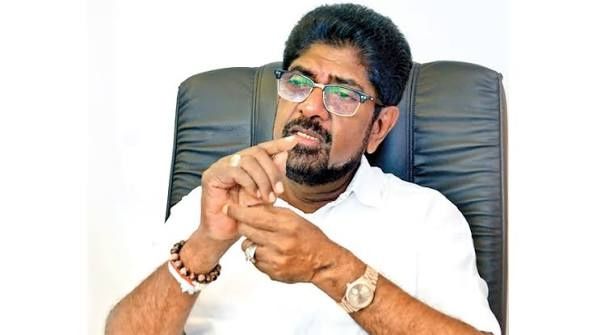
A former Sri Lankan government minister found himself in custody this week after authorities accused him of orchestrating the theft of a centuries-old sacred stone with profound cultural and historical significance. Keheliya Rambukwella's detention by the Commission to Investigate Allegations of Bribery or Corruption on Tuesday came as the island nation continues grappling with the fallout from its severe economic crisis and associated institutional failures that have prompted widespread prosecutions of senior officials.
The object at the centre of the investigation is no ordinary rock. Known as a moonstone, the heavy carved circular granite artefact once formed part of the ceremonial entrance to the palace of Veera Parakrama Narendrasinghe, the final Sinhala monarch who ruled until 1739. Such moonstones hold profound symbolic and spiritual significance in Sri Lankan culture, serving as decorative yet meaningful elements of historical architectural design. The alleged removal of this particular piece in December 2022 represents not merely a theft of valuable property, but what many view as an affront to the nation's heritage and royal legacy.
According to the anti-corruption commission's statement, Rambukwella went beyond passive knowledge of the theft. The body alleged that he actively conspired in the removal of the historic object and later took deliberate steps to prevent police from properly investigating the crime. Such obstruction charges carry particular weight in anti-corruption cases, suggesting an attempt to shield perpetrators from justice and undermine the investigative process itself. The commission stated plainly that Rambukwella "conspired, aided and abetted the theft at a time when he was a minister," indicating his involvement occurred while he held an official government position entrusted with upholding the law.
Rambukwella's legal troubles extend well beyond this single incident. In a separate charge, authorities have accused him of misusing state resources to employ six individuals for his private business ventures—a violation that strikes at the heart of public accountability. Such accusations have become increasingly common as Sri Lanka's authorities intensify scrutiny of how officials used government assets during the tumultuous economic period. The charges reflect a broader pattern of alleged malfeasance that spans multiple aspects of his official conduct.
Perhaps most significantly, Rambukwella remains embroiled in an ongoing court proceeding over a pharmaceutical scandal that occurred under his watch as health minister. Investigators have determined that he authorised the purchase of what was supposed to be a life-saving cancer medication, only to discover the supplied product was merely water. This stunning example of either negligence or deliberate corruption highlights the dangers posed when institutional oversight breaks down entirely. Several other senior officials within the health ministry have been formally indicted in connection with the same drug procurement scheme, suggesting systemic failures rather than isolated individual misconduct.
The timing of these scandals offers crucial context for understanding Sri Lanka's institutional crisis. Rambukwella held his health portfolio during one of the most challenging periods in the nation's recent history. In April 2022, Sri Lanka defaulted on its US$46 billion foreign debt and formally declared bankruptcy, a development that triggered an acute shortage of essential medicines across the island's healthcare system. During this period of national emergency, when the population desperately needed reliable pharmaceutical supplies, the procurement of counterfeit medications represented a catastrophic betrayal of public trust.
The convergence of Sri Lanka's economic collapse and widespread corruption allegations has created a perfect storm for accountability. The bankruptcy declaration exposed long-standing institutional weaknesses and provided impetus for anti-corruption bodies to pursue high-profile prosecutions. Officials who might have previously operated with relative impunity now face intense scrutiny and criminal charges. Rambukwella's case exemplifies how multiple layers of alleged wrongdoing—from heritage theft to health ministry fraud to misappropriation of state resources—can intersect in the record of a single high-ranking official.
For Malaysian and broader Southeast Asian observers, Sri Lanka's experience underscores the importance of robust institutional safeguards and transparent procurement processes. The counterfeit drug scandal particularly resonates, as medicine quality remains a persistent concern across the region. When officials prioritise personal or political interests over citizens' health and safety, the consequences can prove fatal. The fact that multiple officials required indictment suggests such practices reflected cultural or systemic problems rather than individual lapses.
The moonstone theft adds another dimension to the narrative of institutional decay. Heritage protection and cultural preservation require not merely legal frameworks but genuine commitment from those in power. When senior officials allegedly conspire to remove and conceal the theft of irreplaceable cultural artefacts, it signals that nothing—not cultural legacy, not public health, not state resources—remains sacred. The investigation and prosecution of these charges represents Sri Lanka's attempt to rebuild institutional credibility following the economic crisis. Whether these legal actions prove sufficient to restore public confidence remains an open question for the nation and its neighbours watching closely.

