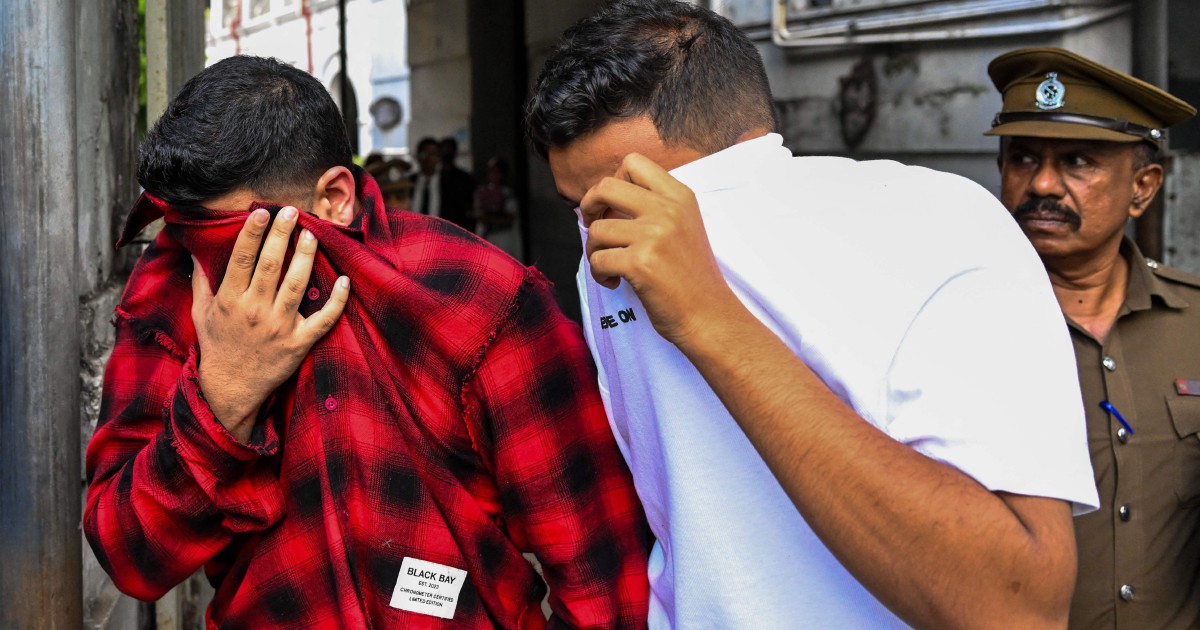
An Indian businessman and co-owner of a Lanka Premier League franchise faces serious match-fixing allegations after a Colombo court ordered his continued detention on Friday. The court ruled that the accused remain in custody until the end of the month while investigations proceed into charges that he attempted to bribe five players competing in Sri Lanka's premier domestic Twenty20 competition. The development represents a rare but deeply troubling incident within South Asian cricket, where spot-fixing and match manipulation have periodically surfaced across multiple nations and competitions.
The allegations centre on deliberate attempts to compromise the integrity of matches within the Lanka Premier League, a professional franchise-based T20 tournament that has become a cornerstone of Sri Lankan domestic cricket over the past several years. The league was established to showcase local talent, attract international players, and generate significant revenue for the cricket board and participating franchises. Such allegations strike at the heart of the tournament's credibility and the broader ecosystem of professional cricket in the island nation.
The involvement of a co-owner in the alleged bribery scheme adds a layer of concern regarding governance and oversight within the league's management structures. Team ownership in professional cricket carries particular responsibility, given the influence such individuals wield over squad selection, player management, and strategic decisions. When those in positions of authority themselves become implicated in match-fixing schemes, it raises systemic questions about compliance and internal checks within franchise cricket.
Match-fixing remains one of the most persistent challenges confronting cricket globally, despite intensified efforts by the International Cricket Council and individual cricket boards to combat it. India, Pakistan, Bangladesh, and Sri Lanka have all witnessed various match-fixing controversies over the years, from high-profile cases involving Test cricketers to lower-profile incidents in domestic circuits. The consistent re-emergence of such allegations suggests that no level of professional cricket is entirely insulated from the threat, particularly when significant financial incentives exist for players facing economic pressures.
The detention order reflects Sri Lankan authorities' determination to treat such allegations seriously and pursue prosecutions through established legal frameworks. Cricket's governing bodies have increasingly worked alongside law enforcement agencies to investigate suspicious match patterns and financial irregularities. The cooperation between judicial systems and cricket administrators has strengthened significantly in recent years, allowing for more robust investigations and prosecutions.
For the Lanka Premier League specifically, this incident poses reputational challenges at a critical juncture. The tournament competes for audience attention and sponsorship revenue against other regional leagues, particularly the Indian Premier League and Pakistan Super League. Any perception of compromised match integrity can deter broadcasters, sponsors, and viewers. Teams, players, and administrators associated with the league will likely face heightened scrutiny regarding their own commitment to ethical conduct and compliance with anti-corruption protocols.
The five players allegedly targeted by the bribery scheme now occupy an ambiguous position within the investigation. Authorities must determine whether they accepted any inducements, refused the propositions, or reported the attempted corruption to relevant officials. These distinctions carry significant implications for their own careers and potential sanctions. Player welfare and protection from coercion also become considerations in cases where athletes themselves may have been victims of attempted manipulation.
Malaysian cricket stakeholders monitoring this case will recognise parallels with Southeast Asia's own domestic cricket development. As regional leagues mature and attract greater commercial interest, they simultaneously become more vulnerable to corruption. The Malaysian Cricket Association and domestic franchise competitions operate within the same vulnerability profile, making foreign cases instructive for local governance and compliance strategies.
The investigation's progression will likely influence how cricket boards across South Asia refine their anti-corruption frameworks and enforcement mechanisms. Technology for monitoring financial transactions, player communications, and betting patterns has improved significantly, yet determined perpetrators continue adapting their methods. Regulatory agencies increasingly seek to identify suspicious betting activities associated with specific matches, coordinate information between nations, and maintain confidential informant networks.
Beyond the immediate legal proceedings, this case illuminates broader questions about player economics and financial sustainability within cricket. When players face inadequate compensation, limited career longevity, and uncertain post-retirement prospects, they become more vulnerable to corrupt inducements. Addressing match-fixing comprehensively requires simultaneously strengthening enforcement while improving economic conditions for players at all competitive levels.
The court's remand order signals that Sri Lankan judicial authorities possess appetite for prosecuting high-profile figures implicated in cricket-related corruption. Such judicial engagement sends a deterrent message to other franchise owners, players, and intermediaries considering similar schemes. However, prosecution alone cannot solve systemic vulnerabilities; it must accompany improved governance, enhanced player education about corruption risks, and robust compliance monitoring throughout professional cricket structures.
As the investigation unfolds over coming weeks and months, the cricket community across South Asia and Southeast Asia will be observing closely. The outcome will inform discussions about franchise cricket governance, the adequacy of current anti-corruption mechanisms, and the broader question of whether commercial T20 leagues can maintain integrity while pursuing aggressive growth and profitability in increasingly competitive sports markets.

