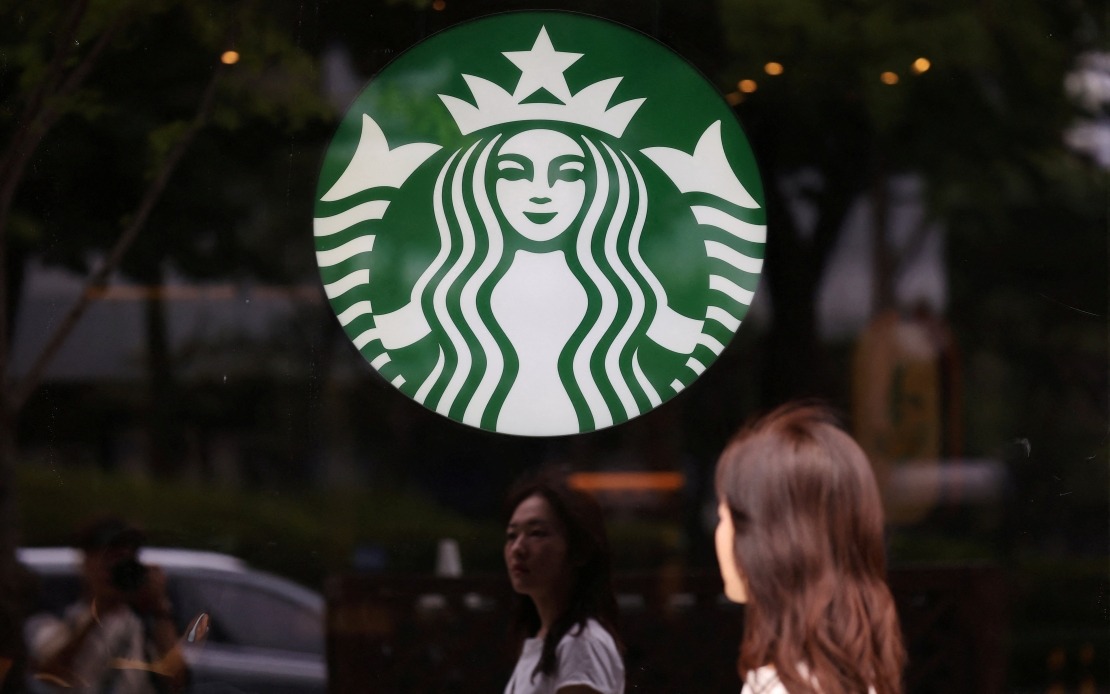
Starbucks South Korea took the unprecedented step of closing all 2,000-plus outlets across the country on Monday afternoon to conduct mandatory historical education sessions for employees, following a public relations catastrophe that exposed deep insensitivity to one of the nation's most traumatic historical events. The nationwide shutdown, orchestrated by Shinsegae—the licensed operator of the American coffee chain's Korean operations—represented an extraordinary corporate response to what became a nationwide scandal within hours of the campaign's launch.
The controversy originated from a promotional initiative launched by Shinsegae in May that centred on a stainless steel thermos product branded as the "SS Tank". In what appeared to be a severely miscalculated marketing strategy, the company designated May 18 as "Tank Day" to commemorate the product launch. However, the date's historical significance transformed what should have been routine merchandising into a public relations catastrophe of significant proportions.
May 18, 1980, marks the anniversary of a pivotal and devastating moment in South Korean history. On that date, the military government of the era deployed armed forces and tanks to brutally suppress a pro-democracy uprising in the city of Gwangju. The crackdown resulted in the deaths of several hundred civilians and remains a defining tragedy in the nation's modern history, representing a dark chapter when the state turned military force against its own citizens demanding democratic rights. The memory of tanks rolling through Gwangju's streets continues to resonate profoundly in the national consciousness.
When South Korean consumers and civil society groups connected the dots between the promotional campaign and the historical tragedy, the reaction was swift and unforgiving. Public sentiment rapidly shifted toward demands for a boycott of Starbucks outlets, and social media erupted with expressions of anger and disappointment. The reputational damage accumulated with alarming speed, and Shinsegae made the decision to suspend the campaign within mere hours of its announcement, recognising that continuing would only deepen the wound and intensify public ire. The swift retreat underscored just how serious the backlash had become.
The controversy also highlighted the problematic nature of the "SS" abbreviation itself, which, while ostensibly standing for stainless steel in this context, carries ominous historical connotations as the designation for Adolf Hitler's notorious paramilitary organisation responsible for some of humanity's greatest atrocities. Although the use of this particular abbreviation appeared to be incidental rather than intentional, it added another layer of discomfort to an already severely mishandled campaign, suggesting a troubling lack of awareness about the symbols and language being deployed in global marketing.
The political establishment swiftly condemned the campaign. President Lee Jae Myung publicly expressed his displeasure with the marketing fiasco, articulating the broader sense of betrayal many South Koreans felt. In a post on his X account, Lee stated: "I am furious at the inhumane behaviour of such businesspeople," capturing the intense emotional reaction that the incident had triggered across society. His intervention reflected the sensitive nature of how national historical trauma is treated by commercial entities operating within South Korea.
Shinsegae responded with a formal apology and took internal accountability measures by dismissing the executive responsible for approving the campaign. Following a comprehensive internal investigation, the company issued a statement emphasising that the campaign contained no deliberate intention to dishonour or defame the victims of the May 18 Gwangju democratic uprising. The company's leadership attempted to characterise the incident as an unintended error rather than a calculated affront, though this explanation provided limited solace to an angry public.
The decision to mandate historical education for all Starbucks employees across South Korea represented an effort by Shinsegae to demonstrate that it took the incident seriously and was committed to ensuring such oversights would not recur. By closing the entire network of outlets and requiring staff attendance at training sessions focused on national history, the company signalled that cultural competency and historical awareness were non-negotiable organisational values. The move, while costly in terms of lost revenue and operational disruption, was framed as a necessary investment in institutional reform.
South Korean authorities were not content to allow the matter to rest with private corporate actions. Seoul police initiated their own investigation into the circumstances surrounding the campaign's conception and approval, signalling that the state viewed the incident with sufficient gravity to warrant official scrutiny. This law enforcement involvement suggested that prosecutors might be considering whether any legal violations had occurred in the campaign's development and execution.
For regional business operators and multinational corporations operating across Southeast Asia and East Asia, the Starbucks Korea incident serves as a stark reminder of the critical importance of historical awareness and cultural sensitivity in marketing and communications strategies. What transpired in South Korea illustrates how quickly commercial missteps can transform into existential reputational crises when they intersect with national historical trauma and collective memory. In markets like Malaysia, Singapore, and other ASEAN nations with their own complex historical narratives and sensitive historical events, companies must invest substantially in understanding local contexts and ensuring that all public communications, regardless of their primary intent, do not inadvertently diminish or trivialise significant historical experiences.
The incident also raises important questions about corporate governance structures and the approval processes through which major marketing campaigns are vetted before public launch. The fact that such a campaign could advance through multiple organisational layers without anyone flagging its problematic associations with a national tragedy points to potential gaps in cultural awareness training and decision-making protocols within global corporations operating in diverse markets. For Malaysian and regional business leaders, the episode underscores the necessity of implementing robust screening mechanisms that consider how campaigns might be received across different demographic and cultural groups within target markets.