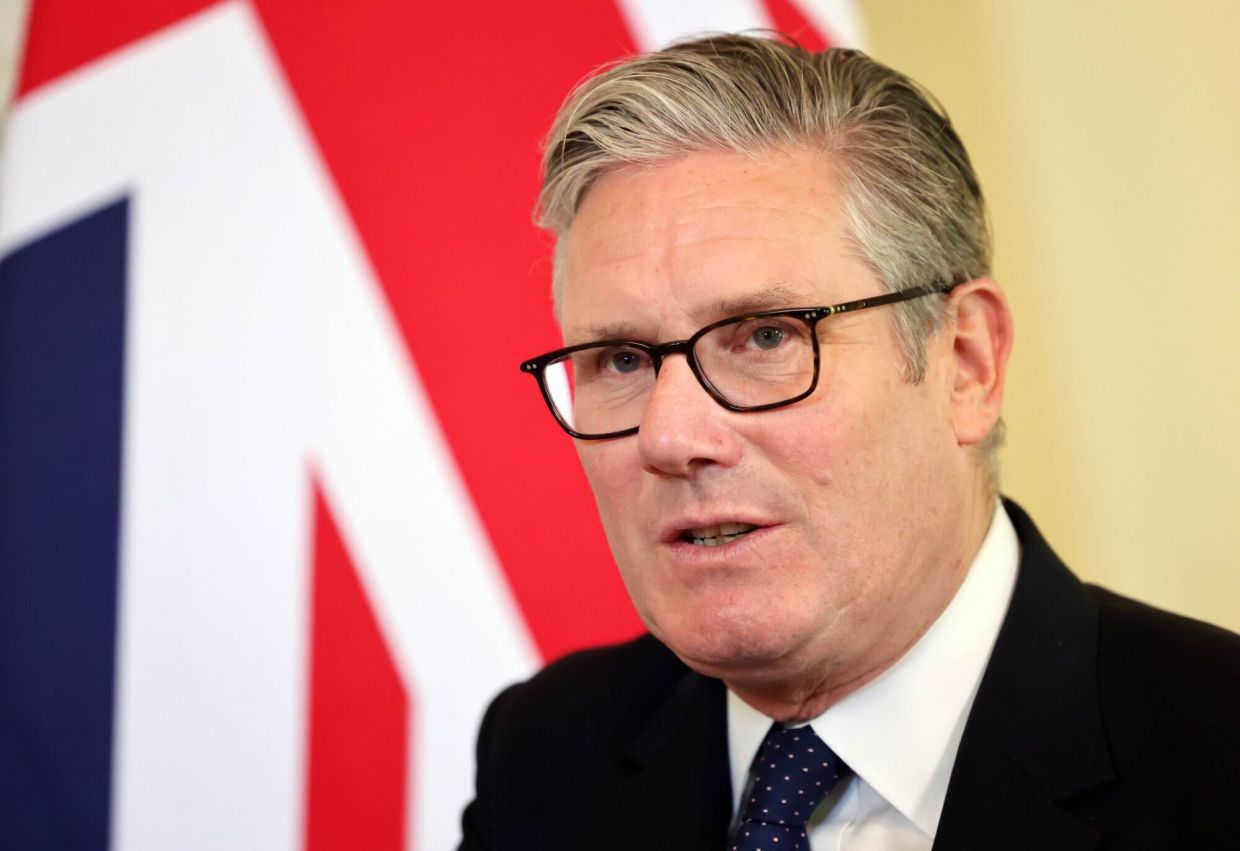
Prime Minister Keir Starmer will unveil a sweeping package of online safety measures Monday morning aimed at shielding British teenagers from digital harm. The centrepiece of the announcement is a prohibition preventing under-16s from accessing major social media platforms, alongside additional safeguards such as restrictions on artificial intelligence chatbots and time limits for older adolescents. Starmer will then travel to Évian-les-Bains, France, for a Group of Seven summit where he must address questions stemming from recent defence ministry turbulence and budgetary challenges.
The proposed restrictions extend beyond comparable legislation in Australia, where similar curbs on teenage social media access took effect last year. Public backing for such measures remains strong, though enforcement questions persist. In a statement released Sunday evening, Starmer framed the decision as fundamental to government priorities: "This is a choice about whose side we're on: families across the country, or a status quo that isn't working."
The timing has drawn criticism from multiple quarters. Ian Russell, whose teenage daughter died in 2017 after exposure to harmful online material, warned the BBC that announcing such policy would be "deplorable" if motivated by political expediency ahead of potential internal challenges. Cabinet sources have indicated that the decision to implement a complete under-16 ban advanced rapidly after a public consultation concluded fewer than three weeks prior, with some colleagues questioning whether the Thursday by-election in Makerfield influenced the accelerated timeline.
Opposition figures have been equally scathing. The Liberal Democrats condemned what they termed a "half-baked policy" rushed through to secure political advantage rather than carefully considered reform. These criticisms arrive as uncertainty clouds Starmer's political standing, with prominent ally Andy Burnham positioned to win the Makerfield seat, potentially positioning him as a challenger to the premiership by summer.
Starmer's recent difficulties extend beyond policy announcements. Last week saw the departures of Defence Secretary John Healey and junior defence minister Al Carns, alongside two additional ministerial staff members, with Healey citing inadequate military funding increases given geopolitical tensions. Culture Secretary Lisa Nandy suggested Sunday that budget negotiations remained active, with officials exploring spending reductions elsewhere in government to strengthen defence allocation. Such a development could bolster Starmer's standing with international partners but risks appearing as another reversal following Healey's departure.