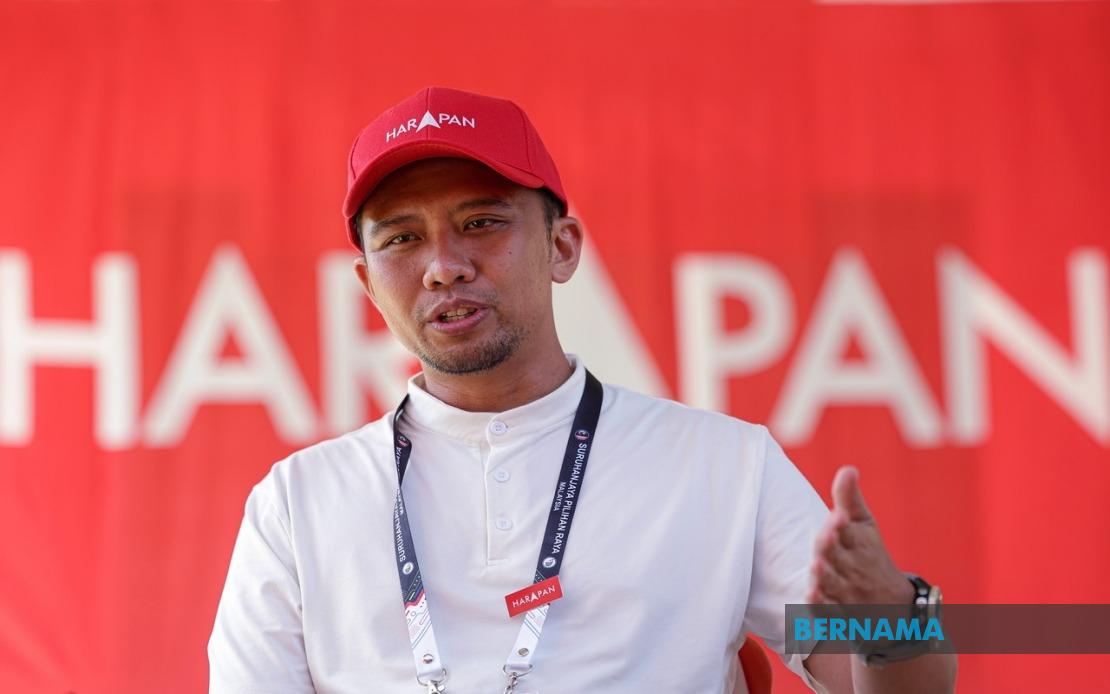
In a campaign strategy that merges professional medicine with political outreach, Pakatan Harapan candidate Dr Azizul Hakim Mahdi is navigating the Rantau state constituency armed with both campaign materials and a stethoscope. The 35-year-old private medical practitioner has adopted an unconventional door-to-door approach centred on delivering complimentary health assessments to voters, particularly focusing on elderly residents and those managing chronic conditions. This fusion of healthcare provision and electoral engagement reflects a growing trend among candidates seeking to establish authentic connections with constituents beyond traditional political rhetoric.
Dr Azizul Hakim's initiative extends beyond superficial interaction. During his community visits across the constituency, the Senawang clinic owner conducts thorough health examinations, reviews medication regimens with patients, and helps coordinate hospital appointments for those confined to their homes. This hands-on medical engagement serves a dual purpose: it allows him to understand healthcare challenges directly from affected residents while simultaneously building trust through tangible service delivery. The approach resonates particularly in rural and semi-urban areas where healthcare access remains a persistent concern for many Malaysian communities.
The Rantau constituency encompasses approximately 34,831 voters, making it a substantial electoral battleground in the 16th Negeri Sembilan state election. Dr Azizul Hakim's vision for expanded healthcare infrastructure hinges on establishing mobile medical units that would bring basic health services to every residential enclave and village within the constituency. This proposal addresses a genuine infrastructure gap, particularly for communities in outlying areas where distance and transportation pose barriers to regular medical consultations. By framing healthcare accessibility as a development priority, he positions medical equity alongside economic and social advancement.
Beyond healthcare, Dr Azizul Hakim has articulated a comprehensive economic empowerment agenda targeting young professionals. His proposal centres on establishing a specialised industrial hub dedicated to Technical and Vocational Education and Training graduates, enabling entrepreneurs to launch enterprises in sectors ranging from automotive repair to food processing. This initiative responds to Malaysia's ongoing skills-development imperative and the real economic aspirations of vocational graduates seeking pathways beyond traditional employment structures. The proposal demonstrates awareness of demographic pressures and youth unemployment concerns that resonate across Malaysian constituencies.
The Sendayan area within the constituency receives particular developmental focus, with Dr Azizul Hakim proposing affordable housing construction initiatives designed specifically for second and third-generation Felda settlers. Sendayan has experienced rapid residential, commercial, and industrial expansion, attracting migrants from across Negeri Sembilan seeking economic opportunities. However, this growth has created acute housing affordability challenges, particularly for long-term residents whose economic advancement has lagged behind property price escalation. Housing accessibility remains a touchstone issue across Malaysian politics, affecting middle-income and working-class households disproportionately.
Transportation infrastructure receives substantial attention in his platform. Dr Azizul Hakim advocates for strengthened public transport networks and the implementation of artificial intelligence-powered smart traffic management systems to alleviate congestion that increasingly plagues developing areas like Sendayan. These proposals acknowledge that rapid urbanisation without corresponding infrastructure development generates bottlenecks affecting daily quality of life. Traffic congestion, in particular, represents a growing frustration for Malaysian commuters and carries economic implications for productivity and family time.
Educational expansion constitutes another pillar of his development vision, with commitments to increase school facilities through the Ministry of Education. This addresses demographic pressures in rapidly growing constituencies where student populations often exceed existing educational capacity. Residents like Asilah Samad, a 37-year-old Sendayan resident, have articulated the necessity for additional kindergartens and primary schools to serve families migrating to the area. Educational infrastructure deficits affect housing desirability and family relocation decisions, making school provision integral to constituency development strategies.
Community safety emerged as a significant concern among local voices, with residents advocating for enhanced street lighting, strategic CCTV installation, and increased security patrols. These requests reflect security perceptions in developing areas where infrastructure expansion occasionally outpaces municipal service provision. Sentiments expressed by residents suggest that comprehensive development must encompass not only economic and residential components but also the civic infrastructure that enables residents to feel secure within their communities. This holistic development perspective reflects sophisticated understanding of constituency needs beyond traditional campaign promises.
Dr Azizul Hakim faces a formidable electoral challenge against incumbent Datuk Seri Mohamad Hasan, who holds the Foreign Minister portfolio and chairs the Negeri Sembilan Barisan Nasional machinery. Mohamad Hasan's dual responsibilities as both state party chairman and federal minister provide considerable organisational and resource advantages. The straight contest between these candidates will substantially influence Negeri Sembilan's overall electoral composition, given Rantau's significance within the state's parliamentary mathematics.
The 16th Negeri Sembilan state election schedule has been compressed, with early voting commencing on July 28 and general polling occurring on August 1. This condensed timeline places particular pressure on grassroots campaigning strategies, where ground-level engagement becomes crucial for candidate visibility and voter persuasion. Dr Azizul Hakim's medical-focused approach potentially offers advantages in this compressed campaign environment by generating organic word-of-mouth momentum and distinguishing his candidacy through unconventional service delivery rather than conventional political messaging.
The candidacy of Dr Azizul Hakim reflects broader Malaysian political evolution where professional credentials and technical expertise increasingly factor into electoral calculations. Voters in developing constituencies increasingly demand evidence-based policy proposals addressing concrete quality-of-life concerns rather than abstract ideological commitments. His strategy of combining medical practice with political engagement demonstrates recognition that electoral credibility increasingly derives from demonstrated competence in addressing real community challenges. This professionalisation of grassroots campaigning may represent a template for future candidates seeking to establish differentiation in competitive electoral environments.

