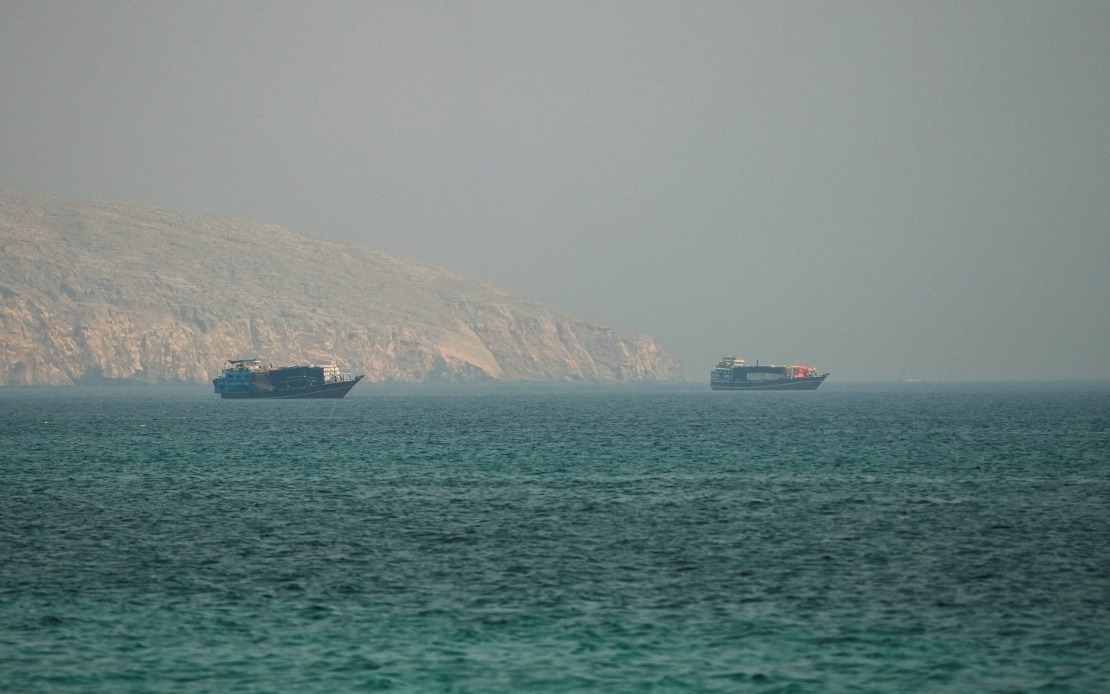
One of the world's most strategically vital waterways remains in a state of heightened alert. The Strait of Hormuz, through which roughly one-third of globally traded oil passes annually, has been designated at a "severe" threat level by the UK Maritime Trade Operations following a spate of attacks on commercial shipping. The Joint Maritime Information Centre issued the formal advisory on Friday, underscoring the persistent danger facing international maritime commerce in the Persian Gulf region.
Though the UK Maritime Trade Operations confirmed that the expanded southern corridor through the Strait of Hormuz continues to remain open to all vessels, mariners are being urged to prepare for sustained military presence and potential hazards. Ships transiting the waterway should anticipate radio contact from naval forces operating on very high frequency channels and maintain vigilance for designated mine-danger zones. The advisory reflects growing anxiety within the international shipping industry about the security environment along one of Asia's most critical energy arteries.
The escalation of maritime incidents has reignited dormant tensions between Washington and Tehran, triggering a dangerous cycle of military reprisals. The United States has conducted repeated airstrikes against Iranian military installations and infrastructure targets, justifying these operations as responses to Iran's attacks on merchant vessels. American defence officials have characterised these interventions as necessary measures to protect international commerce and safeguard freedom of navigation in international waters.
Iran's position on the matter differs fundamentally from the American approach. Tehran maintains that all vessels transiting the Strait of Hormuz must first coordinate with Iranian authorities and comply with navigation routes designated by Iranian maritime authorities. This demand for coordination reflects Iran's assertion of sovereignty over the strategic chokepoint and its resistance to what it perceives as foreign military presence in what it considers its territorial waters. Iran has rejected alternative routing proposals and insists on its authority to regulate maritime traffic through the waterway.
In response to successive American strikes, Iran has deployed drone attacks targeting US military facilities distributed across the broader Gulf region and in Jordan. These retaliatory operations demonstrate Iran's determination to impose costs on American military activity in the Middle East without escalating to direct conventional warfare. The asymmetrical nature of these exchanges—involving airstrikes, drone attacks, and alleged commercial vessel strikes—creates an unstable equilibrium that threatens to spiral into broader regional conflict.
For Southeast Asian nations with significant maritime commerce dependent on Hormuz transit, the situation presents considerable economic and strategic anxiety. Malaysian shipping companies, refineries, and energy importers rely heavily on stable passage through the strait. Any prolonged disruption would elevate fuel costs, extend supply chain delays, and increase insurance premiums for vessels operating in the region. The threat level also complicates Malaysia's balancing act between maintaining neutral diplomatic relations and protecting its economic interests in Gulf trade.
Recent diplomatic efforts have offered a glimmer of hope amid the deteriorating security environment. Iran and the United States concluded negotiations and signed a memorandum of understanding last month, facilitated through Pakistani mediation. The agreement aimed at de-escalating military hostilities and establishing a foundation for comprehensive peace negotiations. Yet the durability of this arrangement appears questionable given the continued hostile actions from both sides even after the accord was reached, suggesting fundamental mistrust persists between the parties.
The memorandum's efficacy remains deeply uncertain as military confrontations have continued unabated following its signature. This pattern indicates that while diplomatic channels remain open, neither side has demonstrated sufficient confidence in peaceful resolution to abandon military options. The willingness to pursue simultaneous negotiations and military strikes suggests both parties are hedging their strategic bets, preparing for diplomatic failure while maintaining the appearance of engagement.
For international shipping operators navigating these waters, the current situation demands heightened operational caution and elevated security budgets. Insurance costs for vessels transiting the Strait of Hormuz have already begun climbing, reflecting insurer assessment of increased risk. Maritime companies must now factor in additional expenses for security consultants, enhanced communication systems, and potential alternative routing that adds significant voyage time and fuel consumption.
The fundamental challenge confronting the international community stems from the absence of trust-building mechanisms capable of interrupting the current cycle of escalation. Previous agreements and understandings between Washington and Tehran have repeatedly collapsed when military incidents rekindled mutual suspicion. Without credible verification systems, incident investigation protocols, and established deconfliction mechanisms, even well-intentioned diplomatic agreements struggle to survive the inevitable frictions arising from naval operations in contested waters.
Malaysia and other Southeast Asian trading nations have subtle but significant stakes in resolving this standoff. Beyond immediate commercial interests, broader regional stability depends on preventing the Strait of Hormuz from becoming a zone of sustained military confrontation. A fully escalated conflict between American and Iranian forces would destabilise oil markets globally, disrupt shipping lanes critical to Asian economies, and potentially drag regional partners into a larger geopolitical struggle neither requested nor desired.

