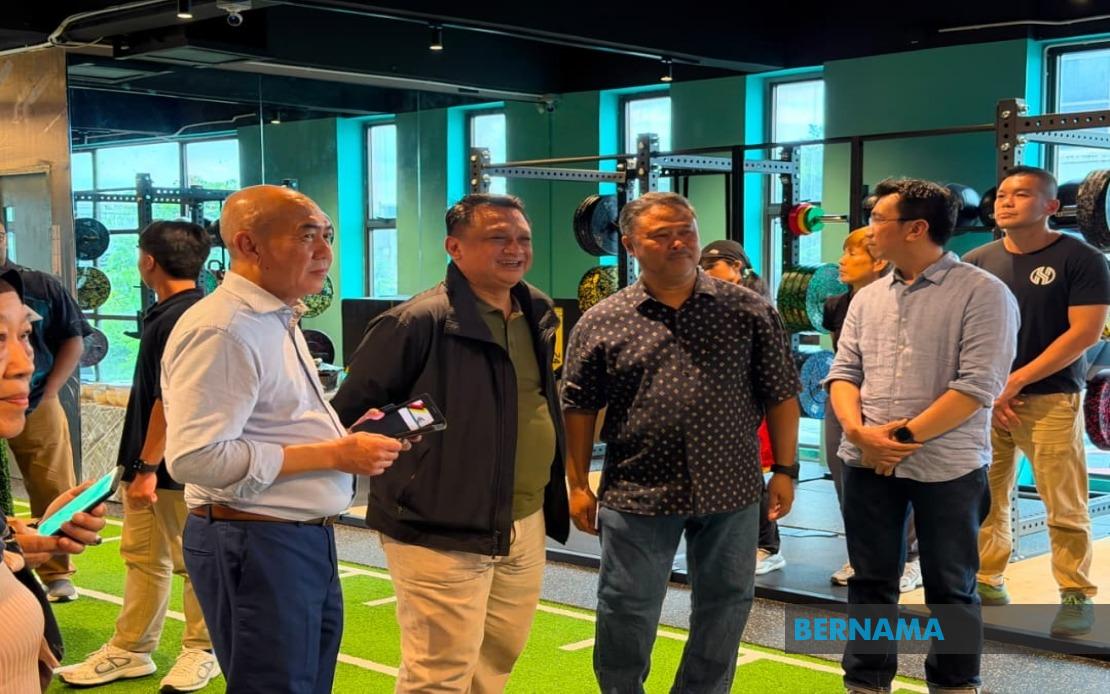
Malaysia's rapidly expanding elderly population faces a pressing health crisis that receives insufficient public attention: preventable injuries from falls. Dr Adibah Ali, owner of FitLab gymnasium in Kuching, is pushing to change this narrative by educating seniors on how structured muscle-strength training can dramatically reduce fall-related hospitalizations and improve their independence in daily life. Speaking during a royal visit by the Raja Muda of Perlis to her facility on June 26, Dr Adibah underscored that public awareness about this protective intervention remains surprisingly limited despite its proven effectiveness.
Dr Adibah brings considerable credibility to this advocacy. Her 22-year career as a consultant breast and endocrine surgeon exposed her to the human toll of geriatric falls firsthand. Working in hospital wards, she witnessed a consistent pattern: elderly patients admitted with serious fractures and injuries sustained through falls, many requiring extended rehabilitation and suffering permanent mobility loss. These clinical observations crystallized her conviction that preventive strength training represents one of the most valuable investments seniors can make in their long-term health and independence.
The medical rationale behind strength training for seniors extends beyond simple injury prevention. Contrary to common misconceptions equating such exercise with bodybuilding aesthetics, Dr Adibah emphasizes that the actual goal involves fortifying bone density, stabilizing joints, and enhancing proprioception—the body's awareness of its position in space. These adaptations translate directly into improved balance and reduced fall vulnerability. Furthermore, consistent strength training maintains and builds muscle mass, a critical factor since sarcopenia, or age-related muscle loss, significantly accelerates the risk of falls and functional decline among older adults.
Daily living activities become considerably safer and more manageable through improved muscular capacity. Tasks as fundamental as ascending staircases, rising from chairs, or carrying shopping bags without risk of stumbling require adequate lower-body and core strength. Many elderly individuals avoid these activities due to legitimate safety concerns, creating a self-reinforcing cycle of physical deconditioning that accelerates functional loss. Targeted strength training reverses this trajectory, restoring confidence and enabling seniors to maintain active, independent lifestyles well into advanced age.
Recognizing this opportunity, Dr Adibah's gymnasium has committed to developing specialized fitness classes tailored specifically for elderly participants. These programs will address the unique physiological needs and concerns of older adults, incorporating appropriate progressions, safety modifications, and social engagement components that often motivate consistent participation. The facility plans to forge collaborative partnerships with Pusat Aktiviti Warga Emas (PAWE), Malaysia's primary senior citizen activity centers, to expand program reach and accessibility across Sarawak's elderly population.
Sarawak's Deputy Minister of Youth, Sports and Entrepreneur Development, Datuk Gerald Rentap Jabu, acknowledged the urgency of this initiative. He noted that citizens aged 50 and above represent an expanding demographic segment in Sarawak, necessitating intensified public health interventions targeted at this population. Rentap advocated for holistic approaches combining physical activity with cognitive engagement, citing chess and other mentally demanding pursuits as valuable complements to physical exercise in maintaining overall senior wellness.
The regional context makes this initiative particularly timely. Across Southeast Asia, rapid aging populations strain healthcare systems as fall-related injuries consume substantial medical resources and institutional capacity. Malaysia confronts similar demographic pressures, with projections indicating significant increases in the proportion of citizens exceeding age 65 within the next decade. Preventive approaches like strength training offer cost-effective alternatives to the expensive emergency care, hospitalization, and long-term disability management that currently characterize the response to geriatric falls.
The royal patronage extended through the Raja Muda of Perlis's visit to FitLab signals important political recognition of elderly health promotion as a priority concern worthy of high-level attention. Such endorsements can influence policymakers and program administrators to allocate resources toward senior fitness initiatives, potentially catalyzing broader adoption of strength-training programs across Malaysia's growing network of senior centers and community facilities.
Implementing widespread strength training among Malaysia's elderly requires addressing multiple barriers beyond simple awareness. Access constraints, cost considerations, transportation challenges, and misconceptions about exercise safety in advanced age all impede participation. Programs must employ culturally sensitive recruitment strategies, integrate strength training with valued social activities at senior centers, and ensure trained instructors understand gerontological principles including modifications for common age-related conditions like arthritis or osteoporosis.
The evidence supporting strength training's protective effects against falls has accumulated substantially within gerontological research. Meta-analyses consistently demonstrate that properly designed resistance and balance-training interventions reduce fall incidence by 20-30 percent among community-dwelling seniors. Combined with benefits for bone density, metabolic function, and psychological well-being, these outcomes justify positioning strength training as a fundamental component of healthy aging policy.
Moving forward, the collaboration between private fitness facilities like FitLab and public senior activity centers through PAWE creates potential for scaling successful interventions. Standardized program curricula, instructor training protocols, and outcome tracking systems could establish Malaysia as a regional leader in evidence-based senior fitness promotion. Such efforts ultimately reduce falls, hospitalizations, and premature mortality while enabling seniors to maintain autonomy and engagement in community life—outcomes that strengthen both individual quality of life and broader social resilience.

