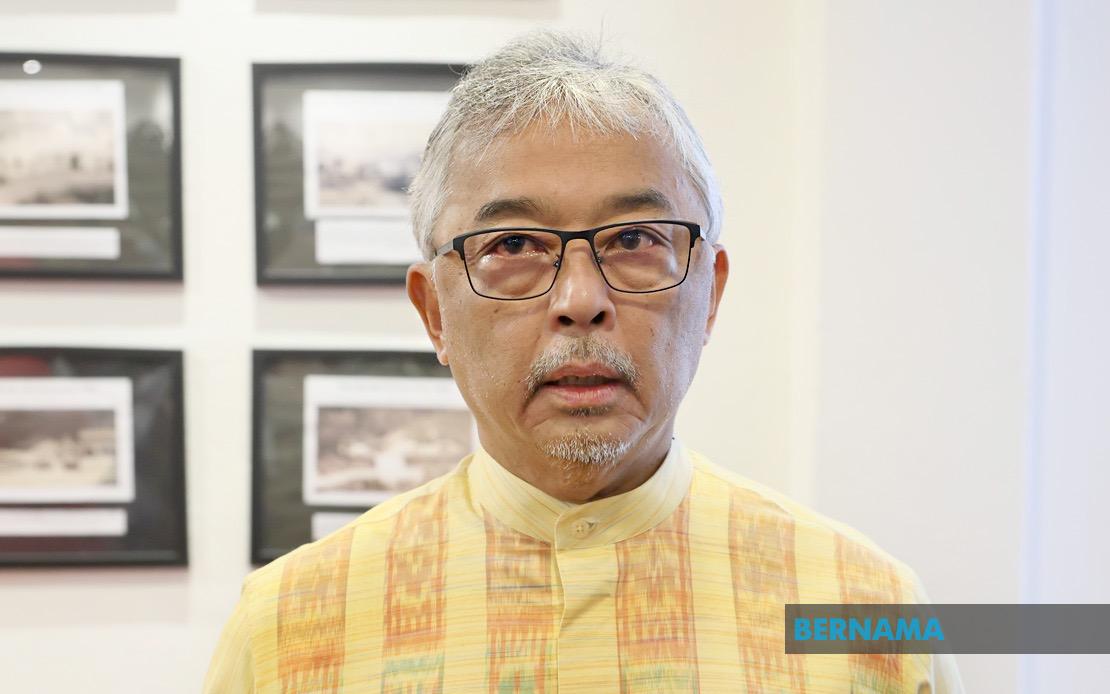
The Sultan of Pahang, Al-Sultan Abdullah Ri'ayatuddin Al-Mustafa Billah Shah, inaugurated the centennial celebrations of Sekolah Sultan Ahmad in Pekan on July 25, marking a milestone for one of Malaysia's most venerable educational institutions. Accompanying His Royal Highness were the Tengku Ampuan of Pahang Tunku Azizah Aminah Maimunah Iskandariah and the Tengku Mahkota of Pahang Tengku Hassanal Ibrahim Alam Shah, underscoring the occasion's significance within the royal household's educational portfolio.
Founded in 1926 initially as Government English School, Sekolah Sultan Ahmad has evolved into a cornerstone of Malaysian secondary education, representing a century of academic development and social contribution. The institution's longevity reflects broader patterns in Malaysia's colonial and post-independence educational system, where schools established during the British period have frequently remained anchors of their communities while adapting to contemporary pedagogical demands.
During the launch ceremony, the Sultan expressed gratitude to organisers and donors who facilitated the anniversary festivities, acknowledging the collaborative effort required to sustain educational institutions at this calibre. Beyond ceremonial remarks, His Royal Highness articulated a deeper commitment to educational accessibility, positioning support for disadvantaged students as a priority concern aligned with royal initiatives he has personally established and overseen.
The Sultan's educational philosophy demonstrates particular emphasis on transforming outcomes for students facing socioeconomic barriers and academic challenges. Through targeted programmes developed under his patronage, approximately 1,000 students from lower-income families and those struggling academically have successfully gained access to tertiary education. This intervention reveals a sophisticated understanding of how systemic disadvantage can be counteracted through strategically designed learning methodologies rather than mere financial assistance alone.
The pedagogical approaches implemented through these initiatives have yielded measurable improvements in student learning outcomes, suggesting that curriculum innovation and targeted instructional support can overcome initial academic deficits. For Malaysian policymakers and educators, such results provide evidence supporting arguments for expanding comparable programmes across other institutions and states, particularly in rural regions where educational disparities remain pronounced.
Sekolah Sultan Ahmad's distinguished alumni roster underscores the institution's historical importance in developing Malaysia's leadership class. Among notable graduates are Tun Khalil Yaakub, the late Tan Sri Jamaluddin Jarjis, and Tan Sri Sidek Hassan, figures who achieved prominence across judicial, political, and administrative domains. This pattern of alumni achievement reflects the school's consistent capacity to nurture intellectual talent and instil values conducive to public service, establishing institutional reputation that has endured across generational transitions.
The centennial celebration occurs within a broader Malaysian context of renewed focus on educational quality and equity. Policymakers across Southeast Asia increasingly recognise that sustainable development depends on expanding access to quality secondary and tertiary education, particularly for populations historically marginalised from opportunity. The Sultan's public emphasis on programmes supporting disadvantaged learners aligns with these regional trends while demonstrating royal leadership in championing inclusive educational practices.
For Pahang specifically, Sekolah Sultan Ahmad functions as more than an educational institution—it represents historical continuity and contemporary commitment to human capital development. The state government's alignment with royal initiatives around educational access suggests coordination between monarchy and administration in addressing skills gaps and social mobility challenges that affect demographic prospects throughout the Klang Valley and beyond.
The broader implications of Sekolah Sultan Ahmad's centennial extend beyond ceremonial significance. The institution's trajectory from colonial-era English school to modern national secondary academy exemplifies how Malaysian education has navigated post-independence restructuring while maintaining academic standards. For contemporary educators and administrators, the school model demonstrates that institutional longevity requires adaptive capacity, sustained resource commitment, and regular realignment with evolving national priorities.
The Sultan's public commitment to educational initiatives serving underprivileged students also carries symbolic weight in shaping public discourse around privilege, responsibility, and social obligation. When royal figures explicitly prioritise programmes for disadvantaged learners, they establish legitimacy for equity-focused policies that might otherwise encounter resistance from sectors viewing such initiatives as fiscally burdensome. This rhetorical and institutional leverage represents a valuable asset in advancing inclusive development agendas throughout Malaysian society.
Looking forward, Sekolah Sultan Ahmad's second century will likely involve navigating challenges inherent to secondary education in the digital age, including curriculum relevance, teacher development, and equitable technology access. The institution's century-old foundation provides institutional stability, but sustained excellence will require continued innovation and investment. The Sultan's documented support for educational transformation provides foundation for such advancement, suggesting that royal patronage will remain engaged with the school's developmental trajectory.

