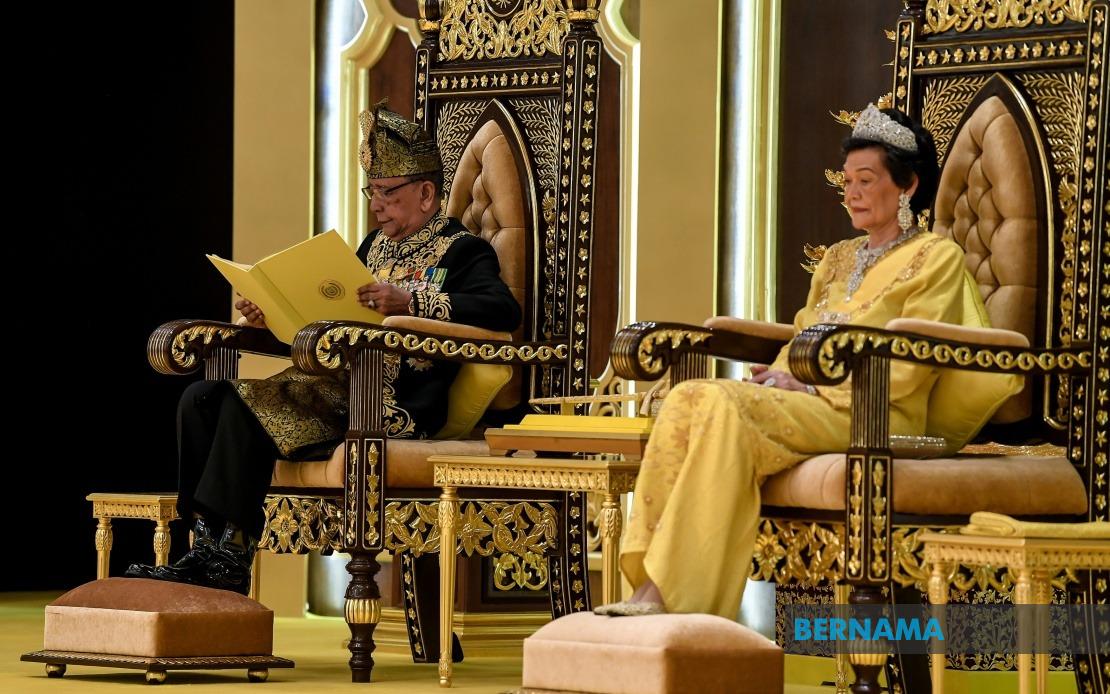
The Sultan of Kedah, Al Aminul Karim Sultan Sallehuddin Sultan Badlishah, has issued a pointed call for Langkawi Island to chart its own development course, shedding what he views as counterproductive comparisons with established tourism competitors. Speaking at his 84th birthday investiture ceremony in Alor Setar on July 5, the Sultan emphasised that the island's greatest asset lies not in mimicking international rivals such as Phuket in Thailand or Bali in Indonesia, but in cultivating a development strategy rooted in its authentic character and natural endowments.
Langkawi's significance to Kedah and Malaysia's broader economic landscape cannot be overstated. Beyond serving as a major draw for international and domestic visitors, the island functions as a cornerstone of state revenue and employment, making strategic decisions about its future development consequential not just for Kedah's prosperity but for the country's tourism sector writ large. The Sultan's intervention suggests growing concern within the state's leadership that Langkawi risks losing its distinctive appeal in pursuit of a development template that has already proven successful elsewhere, potentially leaving the island in a perpetual state of catching up rather than leading.
The monarch's emphasis on preserving Langkawi's natural treasures and unique heritage speaks to a conservation-conscious approach that contrasts with purely extractive development models. His Royal Highness articulated that sustainability must underpin any expansion of tourist infrastructure or economic activity on the island. This stance aligns with growing international recognition that overdevelopment and environmental degradation can hollow out a destination's appeal, ultimately undermining the very economic benefits that sparked aggressive growth strategies in the first place.
The Sultan made clear his determination to protect Langkawi's reputation against actors who might seek to exploit development opportunities in ways that compromise the island's standing. His reference to opposing those who would tarnish the island's image through irresponsible actions or statements suggests tension between different stakeholders with competing visions for Langkawi's future. The royal warning carries significant weight within Malaysia's political structure, signalling that any major projects or statements regarding Langkawi will face scrutiny from the palace.
Beyond tourism development, the Sultan raised alarm over the sluggish implementation of critical infrastructure projects that directly affect Kedah residents' quality of life. The Sungai Kedah and Anak Bukit flood mitigation plan, known locally as the RTB project, has languished in incomplete status for an extended period, leaving communities in affected areas trapped in a cycle of recurring inundation. The Sultan's frustration appears warranted: year after year of unfulfilled promises regarding flood control infrastructure represents not merely inefficiency but a failure to protect citizens from predictable disaster.
The delay in flood mitigation efforts carries particular resonance in Malaysian politics, where floods have become an increasingly acute problem across multiple states. As climate patterns shift and urbanisation intensifies, communities expect their governments to prioritise protective infrastructure. The Sultan's public airing of grievances on this matter suggests that behind-the-scenes efforts to expedite project completion may have yielded insufficient results, prompting intervention at the highest level of state authority.
The dual focus of the Sultan's remarks—balancing long-term tourism strategy with immediate infrastructure needs—reflects the complex governance challenges facing Malaysian states. Langkawi cannot realise its potential as a premier destination if residents in Kedah's mainland territories lack functional flood defence systems. The Sultan's linking of these two concerns implies that sustainable development encompasses both economic opportunity and basic public safety.
Malaysian states have increasingly looked to their royal institutions for guidance on development priorities and governance standards. The Sultan of Kedah's explicit call for Langkawi to resist copying international rivals and instead build from its authentic foundations offers a template that other tourism-dependent regions in Southeast Asia might consider. Thailand and Indonesia have both grappled with environmental degradation and cultural erosion that accompanied rapid tourism expansion; Malaysia's rulers intervening to champion sustainability suggests learning from those cautionary examples.
The investiture ceremony setting provided an appropriate platform for these pronouncements, as such occasions traditionally serve as forums for the Sultan to articulate the state's strategic direction and expectations of officials and private interests. The attendance of the Sultanah of Kedah, Raja Muda Tengku Sarafudin Badlishah Sultan Sallehuddin, and other senior members of the royal household underscored the institutional weight behind these calls for action, signalling that royal concern about Langkawi's development and Kedah's infrastructure will likely translate into expectations for tangible progress from both state and federal authorities.
For Malaysian tourism authorities and Langkawi's business community, the Sultan's message amounts to a strategic reorientation: success lies not in becoming a cheaper or more convenient version of Phuket or Bali, but in establishing Langkawi as a destination of distinctive character. This approach potentially offers competitive advantages in an increasingly crowded regional tourism market where differentiation matters. Visitors seeking authentic experiences and environmental responsibility represent growing demographics in the global tourism economy, suggesting that the Sultan's emphasis on heritage preservation and sustainable development aligns with emerging consumer preferences.
The challenge now rests with state and federal authorities to translate the Sultan's vision into concrete policy and project delivery. The flood mitigation delays indicate that strategic vision, without accompanied institutional capacity and resource allocation, remains merely aspiration. Whether Kedah's government possesses the bureaucratic machinery and political will to simultaneously pursue sustainable Langkawi development while completing overdue infrastructure projects will determine whether the Sultan's exhortations produce substantive change or remain symbolic gestures.

