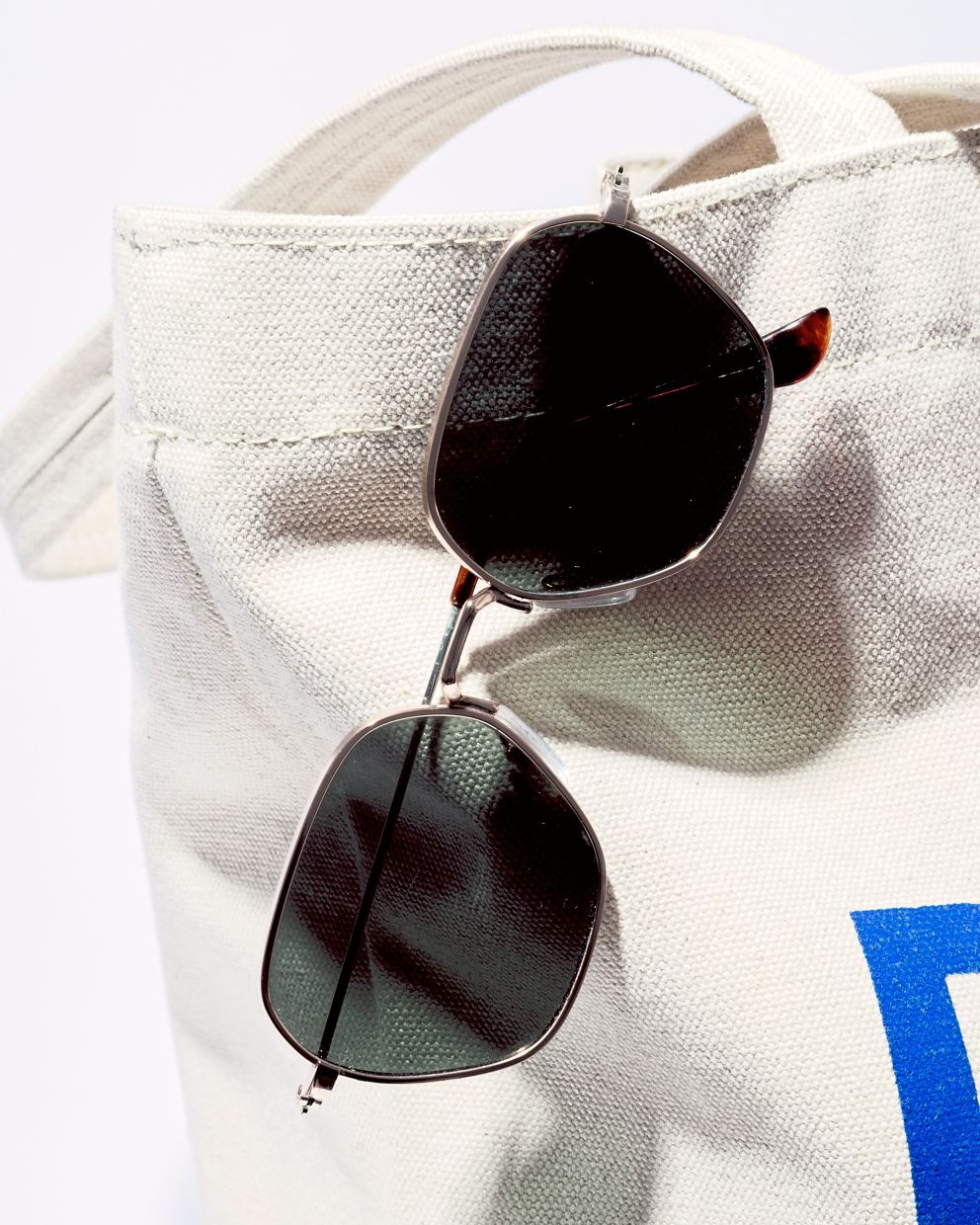
The tropical sun that defines much of Southeast Asia presents a constant challenge to eye health, yet many people remain uncertain about how to protect their vision effectively. Medical experts are unequivocal: shielding your eyes from ultraviolet radiation is not optional. According to Laura Di Meglio, an assistant professor of ophthalmology at the Wilmer Eye Institute at Johns Hopkins Medicine, sunglasses function as a protective barrier comparable to sunscreen applied to facial skin, safeguarding not only the delicate eyelids and surrounding skin but also the eye's surface itself.
For those who already wear prescription eyeglasses, the question becomes whether an additional pair of dark lenses is truly necessary. Dr Sheri Rowen, a board-certified ophthalmologist and cataract surgeon, offers reassurance: many of the protective benefits are already built into modern prescription frames, although many patients incorrectly assume that only tinted lenses provide adequate defence. This misconception has led countless glasses-wearers to invest in dual pairs when their existing prescription eyewear may already offer substantial UV shielding.
Understanding the nature of solar radiation helps clarify why this protection matters year-round. Sunlight carries three types of ultraviolet radiation—UVA, UVB, and UVC—though only the first two penetrate Earth's atmosphere and pose a direct threat. While UVB radiation historically attracted greater concern from researchers, both wavelengths present continuous risk regardless of weather conditions. Even on overcast days, when the sun appears obscured, these rays reach your eyes and accumulate damage over time.
The consequences of unprotected sun exposure extend far beyond temporary discomfort. Cataracts, a progressive clouding of the eye's lens caused by protein buildup, occur naturally as people age, but ultraviolet radiation accelerates their formation significantly. Bryce St Clair, an assistant professor of ophthalmology at the Wilmer Eye Institute, explains that UV exposure can trigger cataract development years earlier than would otherwise occur. Similarly, age-related macular degeneration—a progressive condition affecting the eye's central vision—worsens substantially with cumulative sun exposure, potentially leading to irreversible vision loss in later life.
Beyond these internal eye conditions, prolonged UV exposure causes benign but uncomfortable growths on the eye's surface. Pinguecula appears as a small yellowish bump on the white of the eye and typically causes only minor irritation without affecting vision. Pterygium, however, represents a more serious concern. This growth actively extends into the cornea, and if left untreated, can progressively worsen vision and eventually require surgical intervention. According to Di Meglio, severe cases can substantially compromise sight quality.
The skin surrounding the eyes faces equal vulnerability to sun damage. Between 5 and 10 percent of all skin cancers in the United States develop on the eyelid, where thin, frequently neglected skin is exposed to intense radiation. Dr Dagny Zhu, a cornea specialist based in California, notes that virtually every cell type found within and around the eye structure can potentially undergo cancerous mutation when subjected to excessive ultraviolet exposure over time. This reality underscores why eye protection encompasses not just the eyeball itself but the entire surrounding area.
Beyond disease prevention, visible light exposure contributes to cosmetic aging. Even without UV damage, bright sunlight naturally triggers squinting, a physiological response that over years produces permanent facial creases, particularly crow's-feet around the eyes. Wearing appropriate eye protection allows these muscles to relax rather than contract repeatedly, thereby reducing long-term wrinkles and maintaining a more youthful appearance. The interaction between light exposure and premature aging represents an underappreciated benefit of consistent sun protection.
The question of whether prescription eyeglasses sufficiently protect eyes hinges on lens material and coatings. Most modern prescription lenses are manufactured from polycarbonate, which incorporates UV protection as a standard feature during production. Non-polycarbonate lenses typically receive special UV-protective coatings applied during manufacturing. According to St Clair, clear prescription lenses can provide protection equivalent to dark lenses, contrary to common assumptions. Consumers uncertain about their current eyeglasses can visit local optical retailers for testing to confirm UV protection levels.
For those who find carrying dual pairs of eyeglasses inconvenient, the decision ultimately depends on personal circumstances and sun exposure patterns. Dr Emily M. Schehlein, an ophthalmologist and spokesperson for the American Academy of Ophthalmology, advises that unless sunlight specifically irritates your eyes, the primary concern shifts from disease prevention to comfort management. While brightness itself does not increase cancer risk or eye growth formation, excessive light exposure causes genuine discomfort including eye fatigue, dry eye symptoms, headaches, and visual strain. Tinted lenses reduce visible light transmission and can alleviate these symptoms substantially.
Regardless of lens type, eyeglasses provide only partial facial protection since frames cover limited skin area. Dr Rowen recommends supplementing eyeglasses with wide-brimmed hats and facial sunscreen, particularly during extended outdoor activities in the intense tropical sun that characterizes Malaysia and the region. This layered approach ensures comprehensive protection against UV damage that would otherwise penetrate around the edges of any eyewear.
When selecting eyeglasses or sunglasses, consumers should specifically seek labelling indicating "UV400" or "100% UVA/UVB protection"—terms that are essentially interchangeable and indicate that lenses block 99 to 100 percent of ultraviolet light. In the United States, the Food and Drug Administration regulates sunglasses and enforces labelling accuracy, making false UV protection claims illegal. However, extremely inexpensive sunglasses, particularly those costing just a few ringgit from casual vendors, frequently lack genuine UV protection. Paradoxically, such inferior products can cause greater eye damage than wearing no protection at all: the dark tint causes pupils to dilate excessively, allowing unfiltered ultraviolet rays to strike the retina directly. This phenomenon makes budget sunglasses actually dangerous rather than protective.
Ultimately, the decision to wear two pairs of glasses versus relying on prescription eyewear alone remains a matter of personal preference, provided you consistently avoid allowing direct, unobstructed sunlight to reach your retina. As Dr Rowen emphasizes, people require sunlight, outdoor time, and natural illumination for overall health and wellbeing. The goal is simply preventing ultraviolet radiation from penetrating eye tissue unchecked. By understanding what protection already exists in your prescription frames and supplementing with proper hatting and sunscreen when necessary, Malaysian readers can maintain healthy vision while enjoying the outdoor lifestyle their climate encourages.

