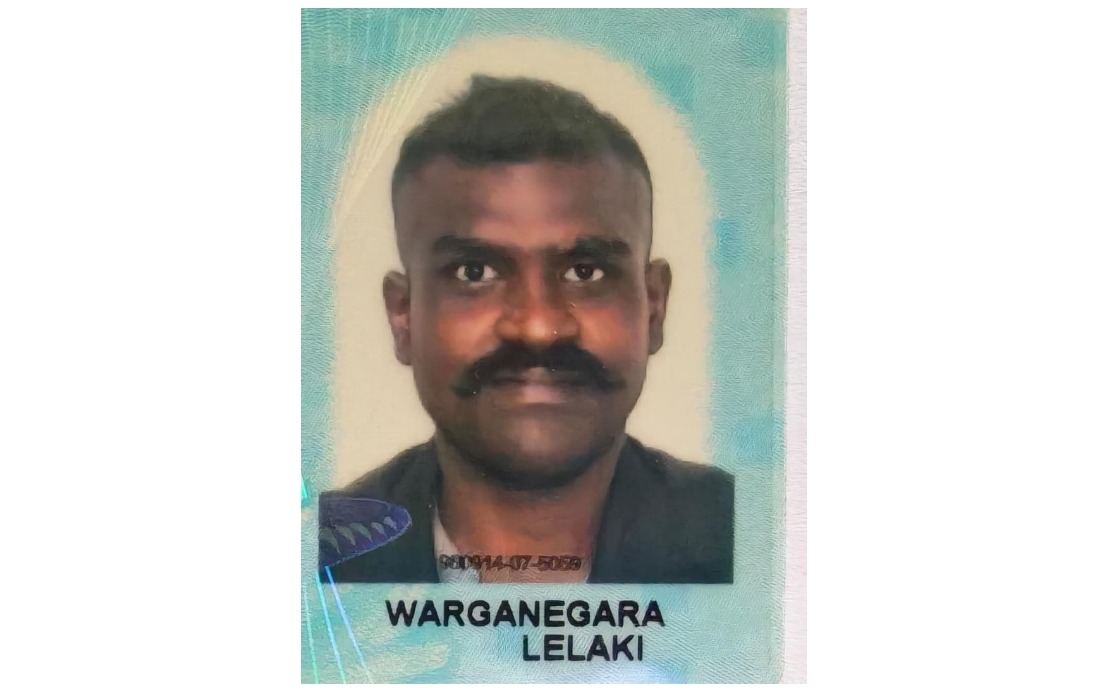
Sungai Bakap Hospital in Nibong Tebal has launched a public appeal to identify and locate the family of a 29-year-old man who died at the facility in mid-August, more than two months after his admission to the hospital's care. The case highlights the challenges faced by healthcare institutions when managing deceased patients with no known family contacts or social support networks, a situation that occurs periodically in Malaysian hospitals.
M. Balakrishnan passed away on August 10 at 6.53 pm in Ward 3 of the hospital, with the immediate cause of death identified as severe sepsis complicated by multi-organ failure. His body remains at the hospital's Forensic Medicine Unit pending identification and proper arrangements for final rites. The lengthy duration of his hospitalisation—spanning from late May until his death in mid-August—suggests serious underlying health complications that required sustained medical intervention.
The hospital transferred Balakrishnan from Bukit Mertajam Hospital to Sungai Bakap on May 27, as part of arrangements to place him in a care facility managed by the Social Welfare Department. His initial admission to medical care appears rooted in his status as a homeless individual without permanent residence or established social connections. Throughout his three-month stay at Sungai Bakap Hospital, no family members, relatives, or known associates visited him, and hospital staff were unable to gather any meaningful information about his family or personal contacts from the patient himself.
Efforts by the hospital and relevant government agencies to trace Balakrishnan's next of kin proved largely unsuccessful. The National Registration Department, when consulted, identified a last known address of No. 19, Jalan Sungai Buloh, Taman Segar, Kampung Baru Subang, Selangor. However, when police conducted inquiries at this location, officers discovered that the premises were occupied by a Malay family who had no knowledge of Balakrishnan or any relatives connected to him. This result suggests that the registered address may have been outdated or that Balakrishnan's living situation had changed substantially before his homelessness.
The situation reflects broader challenges within Malaysia's healthcare and social welfare systems when managing vulnerable populations. Homeless individuals often lack stable documentation, reliable contact information, or family networks that hospitals can readily access during emergencies or end-of-life situations. The case of M. Balakrishnan demonstrates how persons in extreme social circumstances may become isolated within medical institutions, with no one to advocate for their welfare or ensure their dignified care during treatment.
Sungai Bakap Hospital has now made a formal appeal to the public, inviting anyone with information about Balakrishnan's family background, relatives, or acquaintances to come forward voluntarily. The hospital has not specified what form such information should take or the exact procedures for contacting the institution with leads, though such requests typically allow people to approach the hospital directly through established channels.
The death underscores questions about coordination between different government agencies responsible for homeless populations and health services. The Social Welfare Department's involvement in seeking placement for Balakrishnan suggests awareness of his vulnerable status, yet the healthcare institution ultimately became the repository of his remains without family notification because no relatives could be identified. This gap points to potential areas where early intervention and more robust tracking of vulnerable individuals might prevent similar situations.
For Malaysian readers and stakeholders in social welfare, the incident raises awareness about the existence of such cases within the healthcare system. While Malaysia's hospitals handle many emergency admissions and unidentified patients annually, cases resulting in death without family contact represent a small but significant subset that strains hospital resources and create difficult administrative and ethical questions about proper handling of remains.
Members of the public with any knowledge of M. Balakrishnan are encouraged to contact Sungai Bakap Hospital directly to provide information that might assist in identifying his family. The hospital's appeal represents a final effort to ensure that the deceased person's remains are released to proper family care or handled according to appropriate protocols should no relatives emerge. Such public assistance has occasionally proven successful in identifying scattered or estranged family members who were unaware of a relative's hospitalisation or death.

