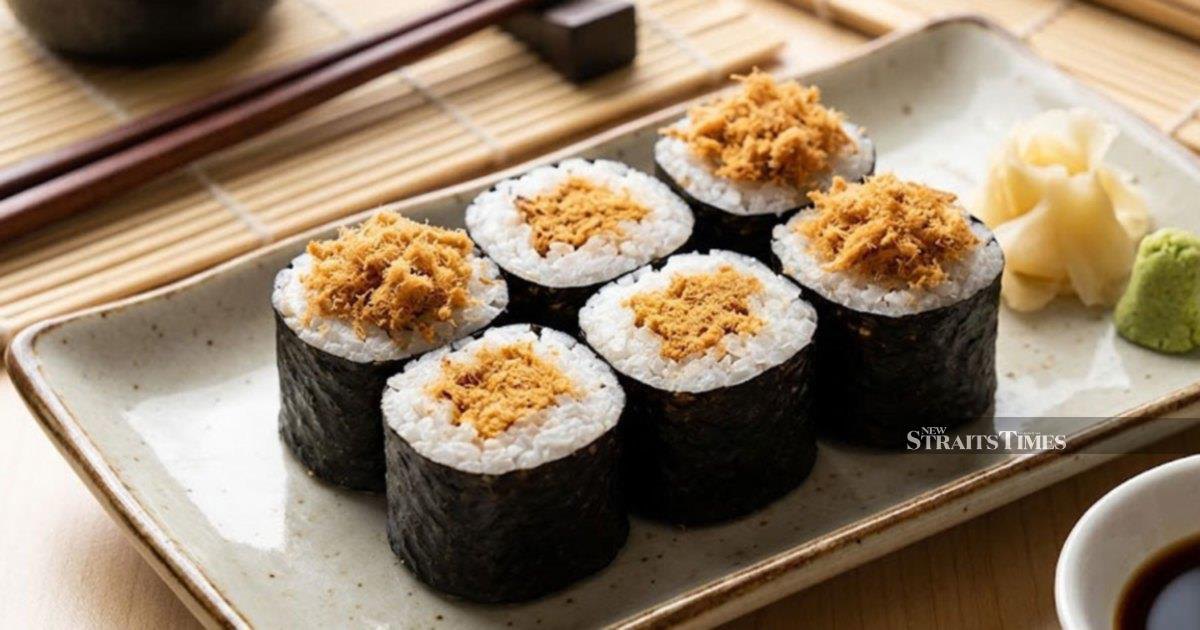
A Setiu-based trader has been ordered to pay RM700 in penalties after admitting in magistrate's court to selling sushi contaminated with pathogenic bacteria at a Ramadan bazaar. The conviction marks another addition to a growing list of food safety breaches during the Islamic holy month, when bazaars traditionally attract crowds of shoppers and diners seeking halal-certified prepared meals and snacks.
The case underscores persistent challenges faced by local authorities in maintaining hygiene standards across temporary food establishments that proliferate during Ramadan. Bazaars, while culturally significant and economically important to countless traders, often operate with minimal regulatory oversight due to their temporary nature and the sheer volume of vendors operating simultaneously. The defendant's guilty plea suggests the evidence of contamination was clear and compelling, though the relatively modest fine raises questions about whether existing penalties are sufficient to deter future violations.
Bacterial contamination in ready-to-eat foods such as sushi presents particular health risks, as these items typically bypass cooking processes that would otherwise eliminate pathogens. Harmful bacteria can cause serious gastrointestinal illnesses, with vulnerable populations including children, elderly people, and those with compromised immune systems facing heightened danger. Sushi, being a perishable item highly susceptible to contamination if prepared or stored improperly, demands strict temperature control and meticulous food handling practices that are not always feasible in informal bazaar settings.
The incident in Setiu adds to a broader pattern of food safety concerns documented during Ramadan bazaars across Malaysia. Health inspectorates have repeatedly warned traders about proper storage temperatures, cross-contamination risks, and inadequate handwashing facilities at these venues. The festive atmosphere and commercial pressure to serve high volumes of customers often clash with the fundamental requirements of safe food preparation, creating an environment where shortcuts and negligence can flourish unchecked.
Setiu, located in Terengganu on the east coast of Peninsular Malaysia, has faced its share of health and safety challenges in recent years. The conviction serves as a reminder that food safety violations are not isolated incidents but recurring issues that demand more comprehensive enforcement mechanisms. Local authorities must balance support for small traders and community traditions with the non-negotiable imperative to protect public health, a tension that remains largely unresolved.
The RM700 fine, while providing some form of accountability, appears modest when weighed against the potential harm caused to consumers who unknowingly ingested contaminated food. Penalty structures may need recalibration to make food safety violations financially meaningful for traders, particularly those operating at higher volumes during peak seasons. Additionally, the conviction does not address the deeper systemic issues that enable such violations to occur in the first place.
For Malaysian consumers, the case reinforces the importance of exercising caution when selecting vendors at bazaars, regardless of their apparent popularity or hygiene presentation. Sushi and other prepared seafood items should be obtained from establishments with visible health permits and demonstrated commitment to proper food handling. The practice of asking vendors about their food storage methods, how long items have been sitting out, and verification of halal certification and health department approval can provide additional layers of protection.
Ramadan bazaars remain essential community gathering spaces and economic lifelines for countless small traders and families. Rather than viewing food safety enforcement as oppressive regulation, stakeholders should recognise that maintaining standards ultimately protects both consumers and legitimate traders. Vendors who comply with safety requirements gain competitive advantage through consumer trust, while those who cut corners undermine the entire ecosystem and put public health at risk.
The Terengganu Health Department and local municipal authorities must intensify pre-Ramadan inspections and implement more frequent surprise checks throughout the holy month. Training programmes for bazaar traders on proper food handling, storage temperatures, and hygiene protocols should be mandatory rather than voluntary. Clear signage regarding food safety requirements, combined with visible enforcement presence and accessible complaint mechanisms, could substantially improve compliance rates without creating undue burden on legitimate operators.
Government agencies, industry associations, and consumer groups should collaborate on establishing accreditation systems that distinguish compliant vendors, empowering shoppers to make safer choices. Such initiatives have proven effective in other Southeast Asian markets and could be adapted to Malaysia's unique cultural and regulatory context. The conviction in Setiu serves as both a warning and an opportunity to strengthen the food safety framework that protects millions of Malaysians during Ramadan and throughout the year.

