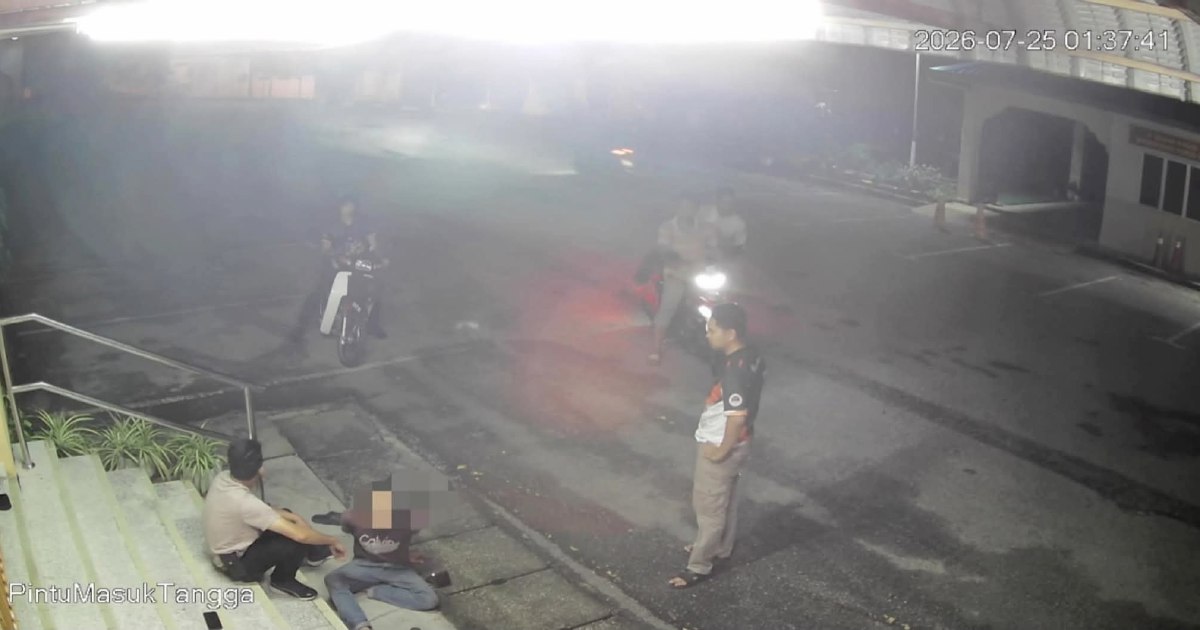
Police in the Sungai Buloh district have made an arrest in relation to a series of thefts that have plagued a local mosque. The suspect, detained on suspicion of repeatedly removing money from donation boxes at Masjid Bandar Baru Sungai Buloh, was taken into custody yesterday following an investigation that gathered sufficient evidence to warrant an arrest.
The case highlights a growing concern facing religious institutions across Malaysia, where donation boxes remain vulnerable to opportunistic theft despite their sacred purpose. These collections form a vital funding mechanism for mosque operations, maintenance, and community welfare programmes, making repeated pilferage particularly damaging to the institution's ability to serve its congregation and broader charitable objectives.
The Masjid Bandar Baru Sungai Buloh has long served the spiritual and social needs of residents in this residential area within Selangor. The discovery of systematic theft from its donation containers prompted the religious authorities to escalate the matter to law enforcement, recognising the need for professional investigation to identify and apprehend the perpetrator.
Police investigations typically begin with monitoring footages from security cameras installed in or around the mosque premises, cross-referencing patterns of theft with visitor records and identifying suspicious activity. The accumulation of evidence over multiple incidents eventually provided officers with sufficient grounds to move forward with the arrest, suggesting the suspect's activities had been tracked and documented methodically.
The arrest comes as part of broader efforts by Selangor police to tackle petty crime affecting mosques and other public institutions in their jurisdiction. Such incidents underscore the challenge facing religious organisations, which often struggle to balance open access for worshippers with security measures that might discourage genuine visitors or compromise the welcoming atmosphere integral to mosque environments.
In Malaysian communities, mosques traditionally maintain an open-door policy, and the concept of donation boxes reflects the Islamic principle of voluntary charitable giving. This openness, whilst spiritually significant, creates inherent vulnerabilities that opportunistic individuals may exploit. The balance between maintaining accessibility and implementing protective measures remains a delicate consideration for mosque management committees.
The detention of this suspect may provide relief to congregants and officials at Masjid Bandar Baru Sungai Buloh, many of whom have likely witnessed the cumulative impact of missing donations intended for religious and community purposes. Beyond the immediate financial loss, such thefts can undermine trust within the community and create concern about security in a space traditionally regarded as a sanctuary.
Authorities may now conduct further investigations to determine the extent of the suspect's criminal activities. Interrogations could reveal whether the individual targeted other religious institutions or solely concentrated efforts on this particular mosque, potentially establishing a pattern that informs broader security assessments across the district.
This case serves as a reminder to mosque committees and religious institutions nationwide about the importance of proactive security measures. Installing tamper-resistant donation boxes, positioning them in well-lit areas with camera coverage, implementing regular collection schedules, and maintaining detailed financial records can all contribute to theft prevention and enabling swift identification of anomalies.
The successful resolution of this investigation demonstrates the importance of community vigilance and cooperation with law enforcement. When mosque officials and congregants report suspicious activity promptly, police gain the time and information necessary to pursue investigations effectively before minor incidents escalate into entrenched criminal patterns.
Looking ahead, the case is likely to prompt other religious institutions in Selangor and beyond to reassess their own security protocols. While the arrest represents a positive outcome, the underlying vulnerability of donation-based collection systems persists, making ongoing attention to practical safeguards an essential responsibility for mosque management.
The suspect is expected to face the legal process, with further details regarding charges and proceedings to emerge as the case progresses through the courts. The resolution of this matter will contribute to ongoing discussions within Malaysian religious communities about effective methods for protecting institutional assets whilst preserving the spiritual character and openness that define their spaces.

