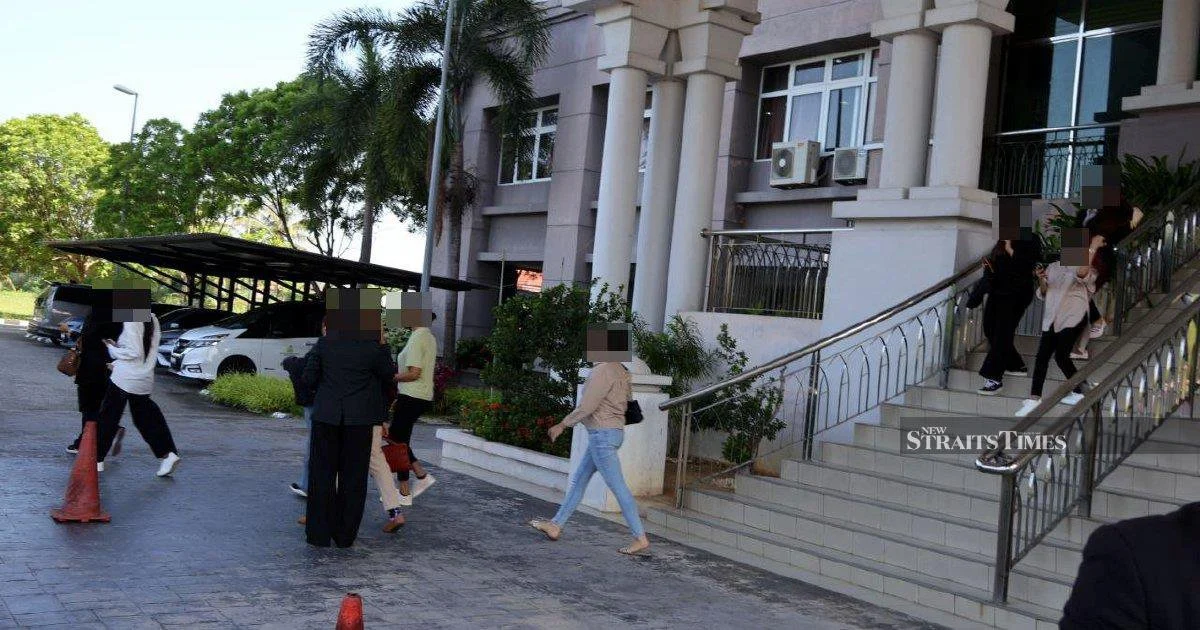
The Syariah Lower Court in Kota Baru has postponed the trial of 14 men charged with dressing as women during an incident that took place at an apartment located on Jalan Mahmood in the Kelantan state capital last year. The adjournment came during proceedings today as the court managing complex legal matters surrounding the case.
The charges against the defendants relate to what authorities described as cross-dressing activities at the residential address, an incident that generated significant public attention when it was first reported. Details surrounding the specific circumstances of the alleged offense and the reasoning behind the court's decision to adjourn remain subject to legal proceedings, though such cases typically involve consideration of evidence preparation and administrative scheduling within the Syariah court system.
Kelantan, as one of Malaysia's most conservative states with strict enforcement of Islamic law, has historically maintained rigorous standards regarding dress codes and conduct under Syariah. The jurisdiction of the Syariah Lower Court in handling matters related to alleged breaches of Islamic regulations reflects the parallel legal structure operating in Malaysian states that have adopted comprehensive Islamic law frameworks. These courts operate independently from civil courts and possess distinct procedural rules, evidentiary standards, and sentencing authorities.
The postponement underscores the procedural complexities often encountered in Syariah court proceedings, where cases may require extended timelines for proper case management and legal preparation. Courts must balance the need for thorough examination of evidence with fair treatment of defendants, requiring careful coordination between prosecution, defense counsel, and judicial administration. Such adjournments, while sometimes frustrating for involved parties, reflect the judicial system's commitment to ensuring due process within the Islamic legal framework.
Syariah courts in Malaysia maintain jurisdiction over matters of personal law and conduct falling within the scope of Islamic regulation. Cases involving alleged violations of Islamic dress codes represent an area where Islamic courts have consistently exercised enforcement authority. The specifics of charges filed against these defendants would typically reference relevant provisions within Kelantan's Syariah criminal code, though public disclosure of these technical details remains limited pending trial conclusion.
The incident itself highlighted ongoing tensions regarding religious enforcement and personal freedoms in conservative jurisdictions within Malaysia. Public discourse surrounding such cases frequently reflects broader debates about the scope of Syariah authority, individual rights, and the balance between religious observance and civil liberties. These discussions occur within the context of Malaysia's unique constitutional framework, which permits states considerable autonomy in managing religious affairs within their territories.
For observers within Malaysia and the broader Southeast Asian region, the case illustrates the distinct legal landscape characterizing Islamic-majority jurisdictions. Unlike secular legal systems employing uniform standards across territories, Malaysia's dual legal structure permits significant variation in enforcement approaches depending on state-level implementation of Islamic law. This creates a complex regulatory environment where individuals' legal obligations regarding conduct and appearance may vary substantially based on geographic location.
The involvement of 14 defendants suggests a coordinated gathering rather than isolated individual behavior, which likely influenced both the prosecution's decision to pursue charges and the court's approach to case management. Handling multiple defendants simultaneously adds layers of complexity to trial administration, evidence presentation, and individual defense strategies, potentially explaining some procedural challenges leading to the adjournment decision.
Temporary delays in trial scheduling frequently occur within judicial systems worldwide, reflecting practical constraints including document preparation, witness availability, and court calendar management. The postponement announced today does not prejudge eventual trial outcomes or indicate judicial opinion regarding the charges. Defendants facing Syariah court proceedings retain rights to legal representation and opportunity to present defenses, with conviction requiring proof meeting the Islamic court's evidentiary standards.
The resumption date for proceedings remains subject to court scheduling and the determination of relevant parties regarding readiness for substantive trial commencement. Legal representatives for the defendants will continue preparing defense strategies during the interim period, while prosecution authorities organize evidence presentation in compliance with Syariah procedural requirements. As the case continues through judicial channels, observers will monitor developments reflecting Kelantan's approach toward religious law enforcement and the evolution of Syariah jurisprudence in Malaysia's contemporary legal landscape.

