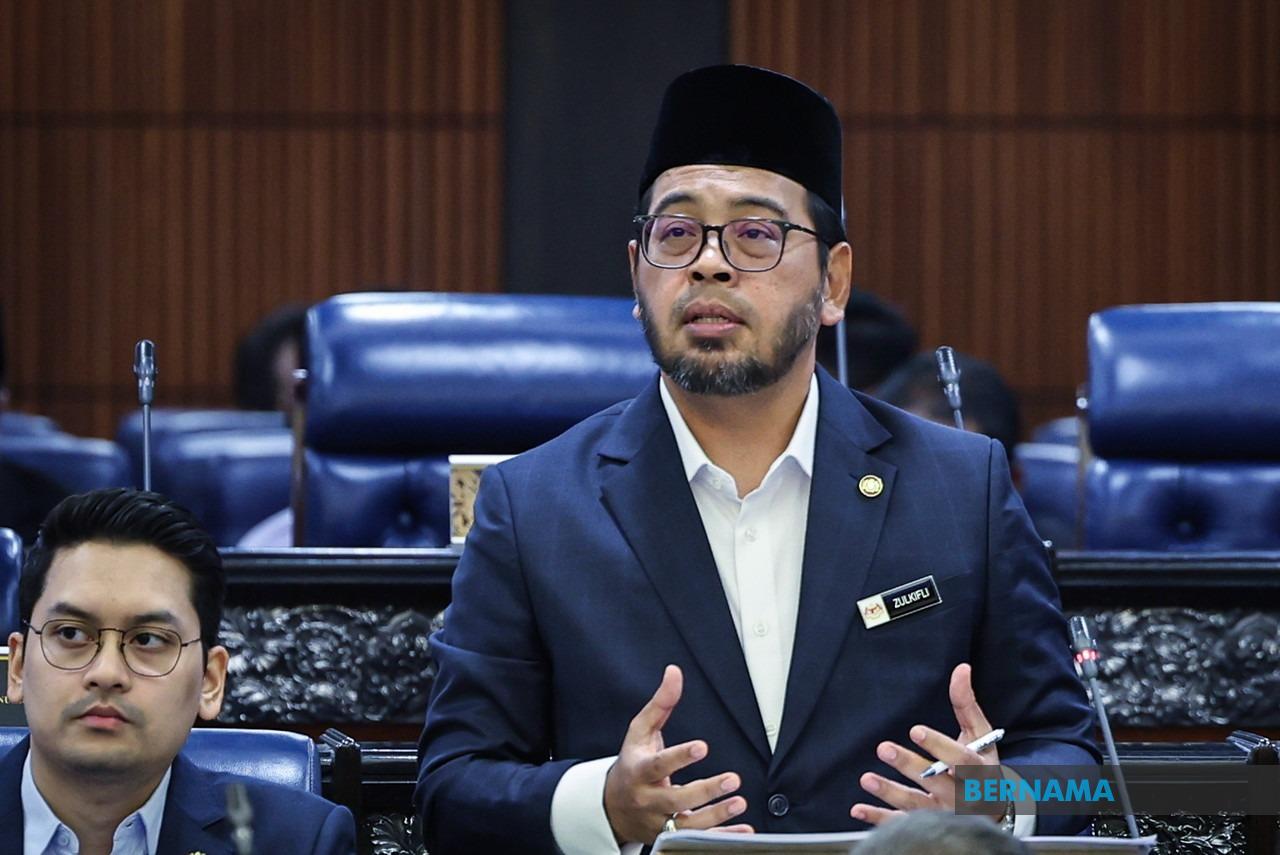
The Malaysian government has committed to comprehensive reforms of Tabung Haji's regulatory framework, moving to tighten financial oversight and governance standards in response to findings from a Royal Commission of Inquiry that uncovered management lapses during the 2014–2020 period. In a parliamentary presentation, Minister in the Prime Minister's Department (Religious Affairs) Dr Zulkifli Hasan outlined proposed amendments to the Tabung Haji Act 1995 that will introduce prescribed accounting standards, define clear penalties for financial misreporting, and establish more robust supervisory mechanisms. The announcements reflect the government's determination to prevent the recurrence of operational shortcomings that the RCI documented in its extensive review of the pilgrimage fund's administration and investment decisions.
Central to the reform agenda is a restructuring of TH's regulatory architecture, which will assign responsibility for fund management and investment activities to the Securities Commission while preserving the religious affairs ministry's stewardship of haj operations. This division of labour represents a significant departure from TH's previous governance model and reflects sector-specific expertise in financial regulation. A task force comprising the TH chairman, Bank Negara Malaysia governor, and Securities Commission chairman has already endorsed this framework, positioning the Securities Commission to oversee investment decisions and asset allocation strategies—areas that were identified in the RCI report as having suffered from inadequate oversight. Crucially, TH will remain a unified institutional entity, preventing fragmentation that could compromise its operational coherence or weaken its financial standing in capital markets.
The RCI's investigation exposed a troubling pattern of excessive bonus distributions to staff, a practice that conflicted with prudent financial stewardship of a fund holding the retirement savings of hundreds of thousands of Malaysian pilgrims. Responding to this concern, TH has already adopted a more disciplined remuneration framework that ties bonuses to institutional financial performance and employee achievement of measurable key performance indicators. All bonus payments now require dual ministerial approval from both the religious affairs and finance portfolios, introducing a system of checks that prevents unilateral decision-making. This recalibration demonstrates TH's proactive compliance with RCI recommendations, though formalising these practices through legislative amendments will provide statutory grounding and make future deviation more difficult without parliamentary involvement.
Another critical reform addresses the timing and transparency of profit distribution announcements, which directly affects the confidence that millions of pilgrims place in the fund. TH has committed since 2022 to announcing profit distribution rates only after completion of annual audited financial statements, a practice that aligns with the RCI's call for clearer governance of profit calculation methodologies. This change ensures that distribution figures rest on independently verified accounts rather than preliminary estimates, reducing the risk of overstating returns or creating expectations that subsequent adjustments cannot sustain. The fund's financial statements have fully complied with relevant accounting standards since 2018, indicating that TH management responded swiftly to earlier deficiencies identified during the inquiry period. The legislative amendments will encode these standards within statutory law, making compliance mandatory rather than discretionary and establishing auditable benchmarks for regulators.
Board governance has emerged as another focal point for statutory reform. The RCI recommended that new legislation establish explicit eligibility criteria for board members, mandate expertise-based selection procedures, and prohibit serving politicians from chairing TH or holding board positions. These provisions recognise that conflict of interest and political patronage represent persistent governance risks in Malaysian statutory bodies. TH has already begun implementing appointments based on integrity, capability, and experience, applying a "fit and proper" assessment framework aligned with Bank Negara Malaysia's standards for financial institution governance. By enshrining these principles in legislation, the amendments will raise the bar for future board appointments and establish transparent selection mechanisms that reduce scope for executive discretion or political interference. Dr Zulkifli's remarks emphasised the availability of competent technocrats and professionals of integrity capable of leading TH, suggesting that merit-based selection need not compromise institutional expertise.
The broader context of these reforms underscores the high stakes involved in TH's management. The pilgrimage fund holds accumulated savings for millions of Malaysians who rely on these assets for their haj journey, one of Islam's central pillars. Lapses in financial management or investment oversight therefore carry both economic and spiritual dimensions, affecting not only individual retirement security but also the nation's capacity to facilitate an essential religious obligation. The RCI's 211-page report, released publicly in July following a government decision to ensure transparency, documented specific operational deficiencies across the 2014–2020 period. Parliamentary scrutiny of the report during the special Dewan Rakyat sitting provided legislators with an opportunity to examine the RCI's findings and signal support for remedial action, with Dr Zulkifli and Finance Minister II Datuk Seri Amir Hamzah Azizan scheduled to address remaining parliamentary concerns.
Implementing these reforms will require careful legislative drafting to ensure that prescriptive accounting standards do not ossify as business conditions evolve, while penalties for misreporting remain proportionate and consistent with standards applied to other Malaysian financial institutions. The involvement of Bank Negara Malaysia and the Securities Commission in a multi-agency oversight framework introduces regulatory coherence but also demands clear delineation of responsibilities to prevent jurisdictional ambiguity. Malaysia's experience with governance reforms in other statutory bodies suggests that legislative amendments alone cannot guarantee implementation; sustained political will, adequate resourcing of regulatory bodies, and institutional culture change within TH itself will determine whether the amended Act translates into tangible improvement in fund stewardship.
For Malaysian pilgrims and the broader Islamic finance ecosystem, these reforms signal official recognition that TH's previous governance model contained structural weaknesses that required institutional redesign rather than incremental tinkering. The Securities Commission's expanded role also positions TH's investment activities within Malaysia's broader regulatory framework for asset management, potentially enhancing coordination with other supervisory initiatives in the Islamic finance sector. As the RCI recommendations advance toward legislative enactment, the government faces an opportunity to establish a governance model that balances institutional autonomy with robust external oversight—a balance that other Commonwealth jurisdictions have struggled to achieve in managing comparable religious or charitable funds with millions of beneficiaries.

