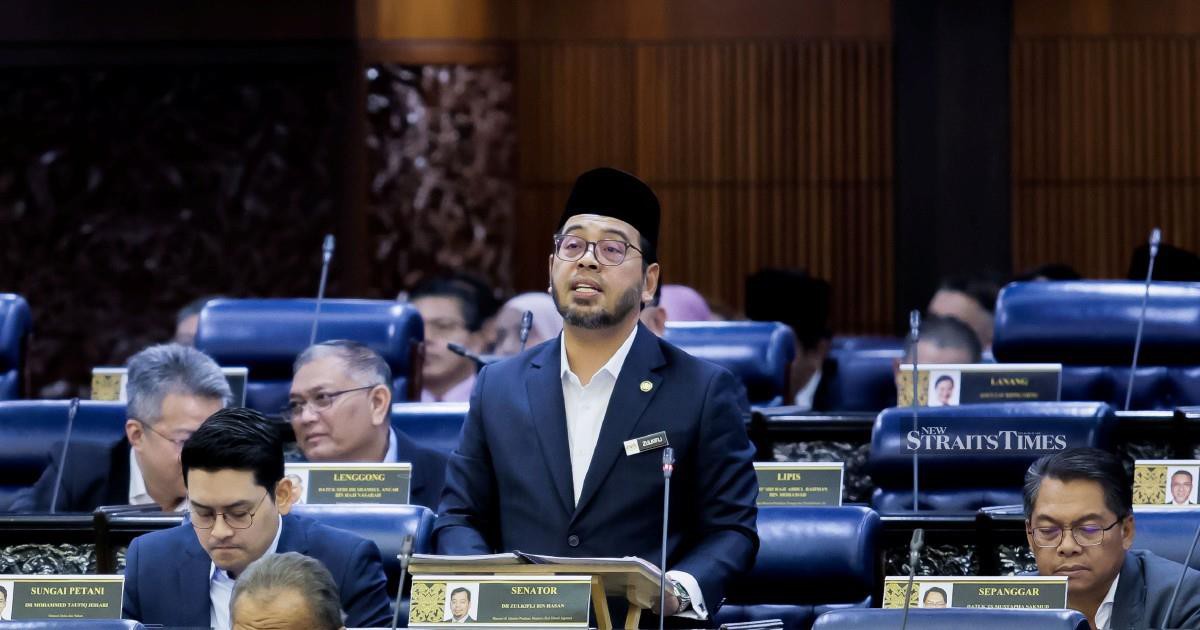
Tabung Haji, Malaysia's largest Islamic pilgrimage financing institution, has escalated its response to findings uncovered during a comprehensive Royal Commission of Inquiry by formally submitting 12 reports to both the Royal Malaysia Police and the Malaysian Anti-Corruption Commission. The move underscores the gravity of issues identified in the RCI's examination of the fund's governance and financial management practices, signalling the organisation's commitment to cooperating with investigating authorities in addressing potential wrongdoing.
The decision to file multiple reports reflects the complexity and scope of concerns raised in the RCI report, which has prompted intensive scrutiny of how Tabung Haji—an institution entrusted with billions of ringgit belonging to Muslim pilgrims—has managed its operations and resources. The dual submission to both the police and MACC indicates that the allegations span several categories of potential misconduct, ranging from criminal matters requiring police investigation to corruption-related offences within MACC's purview.
Tabung Haji's proactive approach in filing these reports represents a significant development in efforts to restore public confidence in an institution that has faced mounting questions about its financial health and management decisions in recent years. The pilgrimage fund serves millions of Malaysian Muslims who make regular contributions toward their hajj ambitions, making institutional integrity a matter of considerable public concern across the nation's Muslim-majority population.
The RCI investigation itself emerged from heightened public and political pressure over Tabung Haji's mounting losses and a series of controversial investments and property ventures. The inquiry was established to examine the fundamental soundness of the fund's operational framework and decision-making processes, particularly regarding high-risk investments that had contributed substantially to financial deterioration. By commissioning such an investigation, the government acknowledged legitimate concerns about whether Tabung Haji's leadership had adequately safeguarded contributors' money.
For Malaysian investors and pilgrims who have entrusted Tabung Haji with their savings, the filing of these reports carries both reassuring and troubling implications. On one hand, it suggests that authorities are taking complaints seriously and that potential accountability mechanisms are being activated. On the other hand, it indicates that the RCI uncovered matters serious enough to warrant formal criminal and anti-corruption investigations, raising questions about what safeguards failed and how extensively misconduct may have occurred.
The involvement of both the police and MACC reflects the multi-faceted nature of potential wrongdoing identified during the RCI process. Criminal offences might include fraud, theft, or embezzlement, while corruption-related allegations could involve abuse of position, conflicts of interest, or breaches of fiduciary duty by officials who made investment decisions. The separation of these investigations between two agencies also ensures that different aspects of potential misconduct receive appropriate specialist attention.
Regionally, the Tabung Haji situation carries implications for how Islamic financial institutions across Southeast Asia are perceived and regulated. Malaysia's handling of this case will influence investor confidence not just domestically but across the broader Muslim-majority region, particularly as other countries establish or strengthen their own pilgrimage savings schemes. The transparency and effectiveness with which authorities address findings in this instance will set important precedents for institutional accountability in the Islamic finance sector.
The timing of these reports also matters significantly within Malaysia's broader anti-corruption and governance reform agenda. Following years of political transition and renewed emphasis on institutional accountability, the Tabung Haji case represents a test of whether new administration priorities are translating into genuine investigation and prosecution of serious financial misconduct at major institutions. Successful investigation and appropriate consequences could strengthen public confidence in Malaysia's commitment to fighting corruption across all sectors.
Looking forward, the police and MACC investigations will determine whether the RCI findings translate into formal charges against individuals or organisations involved in questionable decisions. The pace and outcome of these investigations will be scrutinised closely by contributors to Tabung Haji, religious organisations, civil society groups, and opposition political parties alike. Public expectations for accountability have risen substantially given the scale of losses incurred and the high-profile nature of some investments that proved disastrous.
The institutional response required extends beyond investigation and potential prosecution. Tabung Haji will likely need to implement significant governance reforms, strengthen its investment approval processes, enhance board oversight mechanisms, and perhaps reconsider its organisational structure entirely. Restoring the confidence of millions of pilgrims who depend on this fund will require demonstrable systemic change alongside successful accountability measures for past misconduct.
For pilgrims currently saving with Tabung Haji, the next critical phase involves monitoring whether these reports yield substantive investigations and whether findings result in consequences that genuinely deter future misconduct. The credibility of Malaysia's anti-corruption framework itself depends partly on how thoroughly and fairly these investigations proceed, given the public prominence of Tabung Haji and the vulnerability of the millions of ordinary Malaysians whose retirement and religious aspirations depend upon the fund's sound management.

