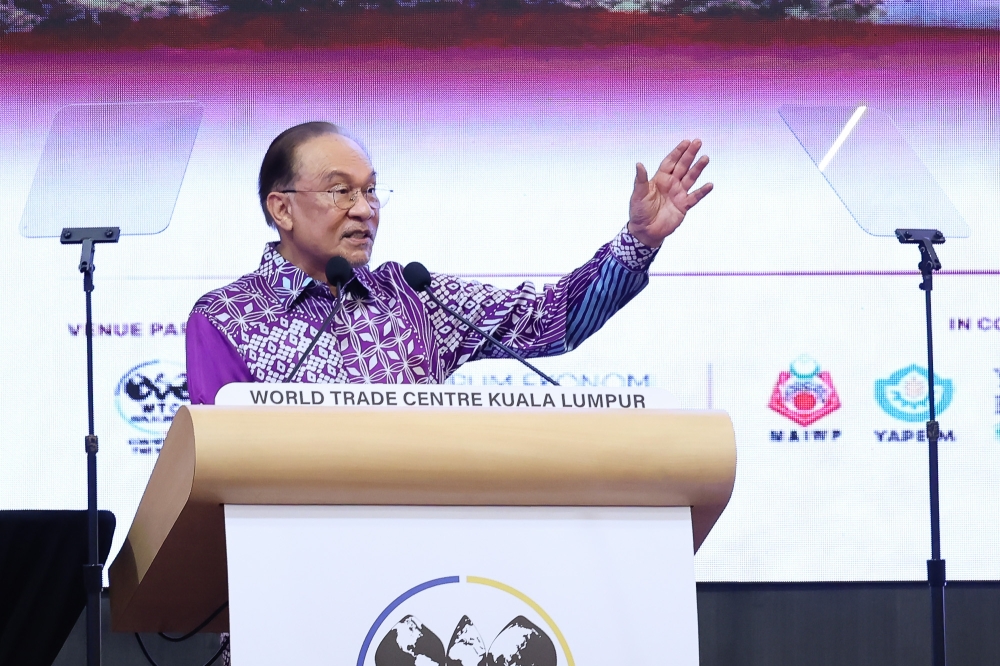
Prime Minister Datuk Seri Anwar Ibrahim has declared that Tabung Haji, the state-backed pilgrimage fund managing billions of ringgit in Muslim savings, has emerged in substantially better financial health after undergoing significant structural reforms. Speaking in Kuala Lumpur on July 23, Anwar signalled that the government would soon make public the findings of a royal commission of inquiry tasked with investigating the institution's governance and historical operations.
The pilgrimage fund has long been a sensitive institution in Malaysia's financial landscape, serving as both a religious obligation facilitator and a major investment vehicle for predominantly Muslim savers. Tabung Haji's financial difficulties in recent years have prompted sustained scrutiny from lawmakers, oversight bodies, and religious authorities concerned about the custodianship of funds earmarked for Islamic pilgrimage to Mecca. Anwar's public confirmation of strengthened finances represents a crucial milestone in what has been a multi-year stabilisation effort spanning multiple administrations.
The Prime Minister's statement reflected a deliberate strategy to restore confidence among depositors and the broader Muslim community who depend on Tabung Haji's services. By framing the recent reforms as effective interventions that have demonstrably improved the fund's position, the government sought to counteract persistent anxiety about capital adequacy and investment quality. This messaging carries particular weight given Malaysia's demographic composition and the cultural significance of pilgrimage savings within Islamic communities across the nation.
The pending release of the royal commission of inquiry report represents a pivotal moment in establishing accountability for how Tabung Haji's resources were managed during periods when performance faltered. Such commissions of inquiry carry substantial investigative authority and their findings typically inform policy adjustments and, in some cases, trigger legal proceedings. For depositors holding reservations about institutional governance, the report's public release would ostensibly provide transparency regarding past management decisions and the root causes of financial challenges.
Anwar's disclosure that the government had previously postponed publicising the findings suggests internal deliberation about timing and potential ramifications. Royal commissions investigating financial institutions must weigh several competing considerations: the imperative for public accountability against concerns about investor confidence, the balance between exposing institutional failings and maintaining systemic stability, and the political sensitivities surrounding a major government-linked entity serving a religiously significant function. The decision to proceed with disclosure indicates the administration's judgement that transparency now serves the institution's long-term interests more effectively than continued confidentiality.
The reforms undertaken at Tabung Haji have encompassed multiple dimensions, from restructuring investment portfolios to enhancing governance frameworks and improving operational oversight. These interventions were necessary after the fund experienced investment losses and financial pressure that eroded capital buffers and prompted emergency government support. The cumulative effect of these corrective measures, according to the Prime Minister's characterisation, has positioned Tabung Haji on a more sustainable trajectory with restored financial resilience.
For Malaysian depositors, particularly those planning pilgrimage journeys in the coming years, Anwar's reassurance about the fund's strength carries immediate practical implications. Confidence in Tabung Haji directly affects the willingness of individuals to contribute savings toward their Hajj expenses through the institution rather than pursuing alternative savings mechanisms. A recovering institution signals that deposits are secure and that the fund will continue delivering reliable pilgrimage financing services as intended in its founding mandate.
The timing of Anwar's announcement also reflects the government's ongoing efforts to demonstrate competent stewardship of significant public institutions. As the administration seeks to sustain public trust and parliamentary support, highlighting successful reform outcomes in high-profile entities serves multiple strategic objectives. Tabung Haji's recovery illustrates broader claims about improved governance and financial management standards that the government wishes to project across state-linked enterprises.
Regionally, Tabung Haji's experience provides instructive lessons for other Muslim-majority nations managing pilgrimage funds and Islamic financial instruments. The fund's challenges and subsequent remediation offer case studies in institutional reform, regulatory oversight, and the particular pressures facing entities combining religious stewardship with sophisticated financial operations. Malaysia's handling of the situation attracts attention from counterparts in Indonesia, Brunei, and other countries managing comparable institutions.
The forthcoming royal commission report will likely become a benchmark document for understanding what structural vulnerabilities affected Tabung Haji and what safeguards have been implemented to prevent recurrence. Parliamentary discussion of the report's findings will furnish opportunities for legislators to scrutinise specific recommendations and track implementation progress. Religious authorities and civil society organisations focused on Islamic institutional governance may also derive guidance from the commission's analysis regarding best practices for overseeing religiously significant financial entities.
Anwar's confirmation that substantial reforms have strengthened Tabung Haji's financial position represents a culmination of difficult decisions and corrective actions spanning years. The impending disclosure of the royal commission findings will test whether the government's confidence in the institution's recovery withstands public and expert scrutiny. For depositors and the broader Malaysian Muslim community, the restored financial health of Tabung Haji affirms that their pilgrimage savings remain in institutional hands capable of delivering on fundamental obligations.

