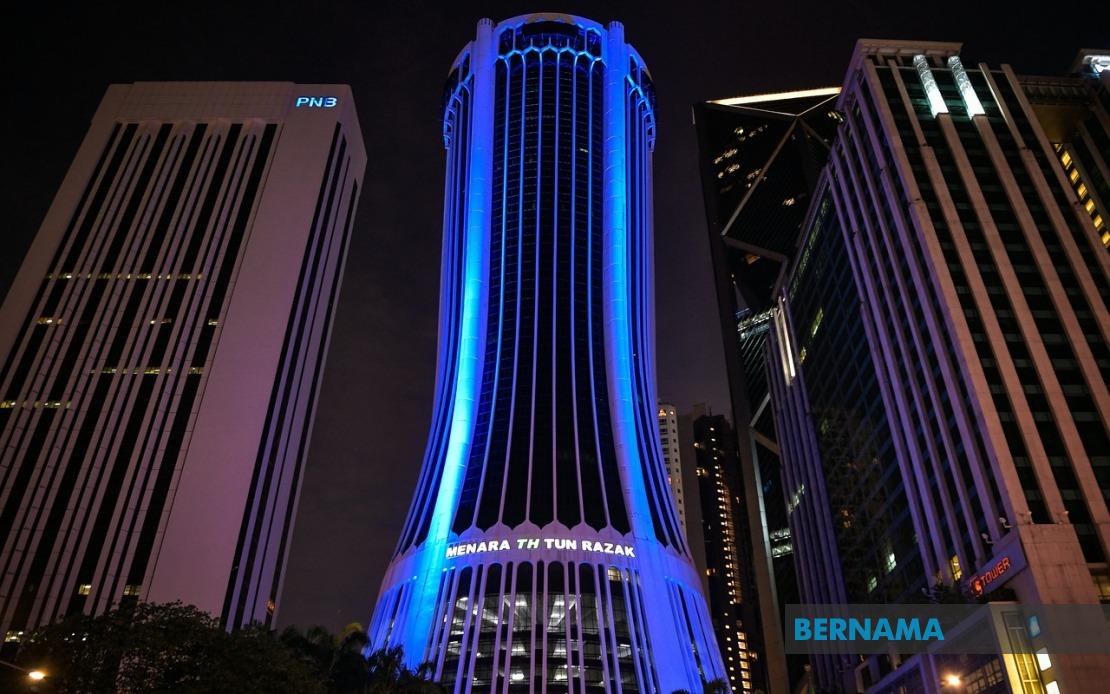
The credibility crisis facing Lembaga Tabung Haji demands far more than routine reassurances. According to experts consulted on the institution's path forward, a comprehensive communications strategy anchored in transparent digital engagement represents the most viable pathway for restoring the trust of its millions of depositors, particularly younger cohorts who have grown sceptical of traditional institutional messaging.
Dr Mohd Kamarul Amree Mohd Sarkam, a Senior Lecturer at the Academy of Islamic Defence Studies within Universiti Pertahanan Nasional Malaysia, emphasises that TH cannot afford to underestimate the demographic shift within its depositor base. With the majority now comprising millennials and Generation Z—demographics native to social media consumption—the institution's current communication apparatus appears fundamentally misaligned with modern information-seeking behaviour. Reliance on conventional channels would simply perpetuate the distance between the organisation and those whose savings it holds in trust. Digital platforms, by contrast, offer real-time interaction capacity and the ability to address misinformation at source, a critical advantage in an era of rapid rumour circulation.
The substance of what TH communicates matters equally. Dr Mohd Kamarul Amree stresses that messaging must centre on concrete governance reforms and verifiable improvements in financial stewardship. Depositors will assess not merely what the institution says but whether its actions demonstrably align with those declarations. This requires TH to make visible progress on multiple fronts simultaneously—not just defensive explanations of past problems but affirmative showcases of systemic change already underway. The psychology of institutional trust restoration demands that publically announced reforms be matched by visible implementation timelines and independent verification mechanisms.
A structural impediment to TH's credibility recovery lies in its leadership appointment processes. The expert recommends a decisive break from politically-influenced senior management appointments in favour of technocratic governance by individuals selected purely on merit and relevant expertise. This proposed depoliticisation serves a dual purpose: it theoretically removes ideological considerations from fiduciary decision-making, while also signalling to depositors that the institution has fundamentally recalibrated its approach to accountability. Non-partisan leadership would, in this framing, operate as both practical governance improvement and symbolic acknowledgment that past mismanagement carried political dimensions worth addressing.
The Royal Commission of Inquiry report, unveiled publicly on July 29 and subsequently debated in a special Dewan Rakyat sitting, itemised 25 recommendations spanning the 2014-2020 period. Rather than treating these as historical reckonings, experts argue TH should weaponise the recommendations as a modernisation roadmap. Dr Mohd Kamarul Amree specifically advocates for amending the TH Act itself—a legislative step that signals irreversible commitment—whilst placing financial fund management under the direct oversight of the Minister of Finance. Such structural changes would ostensibly reduce administrative autonomy and increase external accountability, creating new safeguards against the lapses documented in the RCI findings.
Dr Mohd Afzanizam Abdul Rashid, chief economist at Bank Muamalat Malaysia, introduces a complementary urgency regarding public misperception. Confusion surrounding the timing of the RCI report—some segments incorrectly believing it is recent when it was completed in 2022—already undermines TH's communicative environment. This information gap creates space for misinformation to flourish and for public anxiety to metastasise unchecked. Deliberately structured town hall sessions across districts would permit face-to-face interaction between TH management and depositor communities, facilitating nuanced explanation of the institution's actual financial position and the concrete steps already implemented. District-level engagement carries particular value in Malaysia's distributed geography, ensuring that rural and semi-urban populations receive the same quality of information access as those in Kuala Lumpur.
The Malaysian hajj administration's international standing offers underutilised communicative leverage. Garnering recognition from the Saudi Arabian government for hajj management quality represents genuine institutional achievement worth foregrounding. TH could construct a broader institutional narrative emphasising not only problem-remediation but also demonstrated competence in core operational domains. This reframing avoids appearing purely defensive and positions reform efforts within a larger context of organisational excellence already validated externally.
The governance reform agenda connects directly to Malaysia's broader national commitments around institutional integrity and anti-corruption. The RCI report functions as a clarifying document for not just TH but the wider public sector, underscoring that institutions managing public resources face heightened accountability obligations. TH's reform trajectory therefore carries implications transcending the pilgrimage savings system, modelling either successful institutional renewal or the consequences of inadequate response to documented systemic failure.
Implementing Dr Mohd Kamarul Amree's recommendations would require sustained executive commitment over multiple years. Digital communication platforms require consistent, high-quality content generation and responsive community engagement—functions that demand dedicated organisational capacity. Legislative amendments to the TH Act necessitate parliamentary processing and stakeholder consultation. Leadership restructuring involves recruitment, vetting, and integration of new management cohorts. These are not quick-fix initiatives but rather foundational changes whose visible momentum could itself serve as confidence-building evidence.
For Malaysian depositors, particularly those approaching retirement with hajj aspirations, TH's recovery carries existential weight. The institution holds sacred both financial obligations and religious responsibilities. Rebuilding confidence therefore requires addressing not merely technical governance deficiencies but the deeper erosion of an institution's perceived moral stewardship. By pursuing sustained digital engagement, geographic outreach, governance restructuring, and legislative reform in tandem, TH can begin reconstructing the institutional trust that undergirds its social mission.

