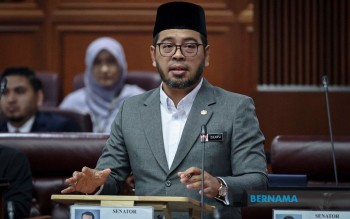
Tabung Haji (TH) is intensifying its pursuit of nearly 885 million Saudi riyal in outstanding arbitration funds from Al-Rawda Real Estates Development & Project Management Co Ltd, a Saudi Arabia-based property developer and project manager, after the firm failed to honour a settlement deal negotiated earlier this year. The Minister in the Prime Minister's Department (Religious Affairs), Dr Zulkifli Hasan, disclosed that TH had received only 14.9 million Saudi riyal from the 899 million Saudi riyal arbitration award originally granted to the Islamic pilgrimage fund, representing barely 1.6 per cent of the total sum owed. The shortfall underscores the scale of financial exposure TH faces from its troubled overseas property ventures, a theme that has emerged prominently from recent governance investigations into the institution.
Dr Zulkifli revealed that TH had exhausted conventional enforcement mechanisms against Al-Rawda in Saudi Arabia but discovered the company lacked sufficient liquid assets to satisfy the judgment. Rather than accepting defeat, TH terminated a settlement agreement concluded in November 2024 after Al-Rawda demonstrated it could not meet its obligations under the arrangement. The decision to end negotiations and shift tactics reflects TH's determination to recover maximum value from a deteriorating situation. According to Dr Zulkifli's statement during a parliamentary briefing on the Royal Commission of Inquiry findings, TH has now engaged external consulting specialists to conduct sophisticated asset tracing operations. This approach mirrors techniques commonly deployed in international commercial disputes where debtors attempt to obscure or relocate assets beyond creditors' reach.
The Al-Rawda dispute originated from an extraordinarily structured transaction executed between 2015 and 2017 when TH leased four hotels situated in Makkah and Madinah from the Saudi company. TH remitted approximately RM1.55 billion in upfront lease payments to secure operating rights over a ten to eighteen year period. This arrangement departed substantially from conventional commercial practice, raising questions about the due diligence and approval processes that permitted such an aggressive capital deployment. Compounding the exposure, TH simultaneously appointed Al-Rawda as operator of these four properties under a separate Management and Operation Agreement that entitled TH to receive 2.49 billion Saudi riyal in annual rental income. However, Al-Rawda compensated TH with only a personal promissory note guaranteed by the company's owner, Dr Mashhoor Ali Omar Almadoodi, rather than establishing structured payment mechanisms with third-party security or collateral backing.
The arrangement unravelled when Al-Rawda ceased remitting rental payments after March 2019, leaving TH unable to service its capital obligations or generate the projected yield from the investment. TH subsequently initiated enforcement proceedings within the Saudi Arabian legal system, ultimately securing a favourable arbitration award dated April 16, 2023. The Final Award mandated Al-Rawda to pay TH 899 million Saudi riyal in compensation. Despite this legal victory, converting judgment into actual cash recovery has proven far more complicated than anticipated, illustrating the practical challenges of enforcing foreign commercial awards against financially distressed counterparties.
The Al-Rawda investment featured among 14 troubled overseas ventures examined by the Royal Commission of Inquiry into TH's financial deterioration. These 14 problematic projects collectively generated losses running into billions of ringgit, fundamentally undermining TH's financial sustainability and requiring substantial government intervention. The RCI's investigation, which examined TH's operations during 2014 to 2020, identified systemic weaknesses in investment appraisal, governance oversight, and risk management practices that created conditions enabling such large-scale capital misallocation. The Makkah and Madinah hotel leases exemplified the pattern of inadequate scrutiny that characterised TH's approach to major overseas property acquisitions during this period.
The 211-page RCI report, released publicly on July 29, contained 25 specific recommendations aimed at strengthening TH's institutional governance and operational frameworks. As of July 30, TH had implemented approximately 75 per cent of these recommendations, demonstrating commitment to addressing identified deficiencies. However, the Al-Rawda recovery saga illustrates how legacy disputes continue to consume management resources and complicate TH's financial restoration strategy. Dr Zulkifli's disclosure that TH has now engaged specialist asset tracing consultants suggests the institution recognises that aggressive pursuit of outstanding receivables forms an essential component of its broader financial recovery programme.
From a Malaysian perspective, the TH situation carries broader implications for how sovereign wealth funds and state-managed institutions manage international property and investment exposures. The Makkah and Madinah hotel arrangement, which appeared attractive as a revenue-generating hospitality operation in Islam's holiest cities, instead demonstrates how inadequate structural protections and counterparty credit analysis can transform ostensibly sound projects into significant losses. The decision to accept a personal guarantee from Al-Rawda's owner rather than securing institutional backing reflected concerning gaps in TH's risk assessment capabilities during the mid-2010s. Asset tracing represents a last-resort recovery mechanism deployed only after conventional enforcement has failed, suggesting TH's prospects of recovering the full outstanding sum remain uncertain despite the legal judgment.
The Al-Rawda case also reflects broader challenges confronting Southeast Asian institutions attempting to execute property strategies across the Middle East. Saudi Arabia's real estate sector experienced substantial volatility during the period in question, and the country's legal system, while providing formal arbitration mechanisms, can pose practical enforcement difficulties for foreign claimants attempting to recover against locally-connected entities lacking sufficient capitalisation. TH's experience provides cautionary lessons about the complexities of overseas hospitality investments, particularly those dependent on seasonal pilgrimage traffic patterns and concentrated in a single jurisdiction. The theological significance of the Makkah and Madinah locations may have created institutional pressure to pursue the opportunity despite inadequate commercial structuring.
Looking forward, TH's asset tracing initiative will likely require sustained engagement with Saudi Arabian legal authorities and possibly coordination with Malaysian diplomatic channels to maximise recovery prospects. The fact that only 14.9 million riyal has been recovered suggests Al-Rawda has already deployed significant portions of its asset base elsewhere or encountered genuine liquidity constraints. Whether specialist tracing consultants can identify additional recoverable assets will substantially influence whether TH can narrow the 884 million riyal shortfall. For Malaysian Muslim pilgrims who depend on TH's financial stability to support umrah and hajj financing programmes, the resolution of such outstanding disputes carries direct relevance to the fund's long-term sustainability and its capacity to fulfil its core religious and social mandate.

