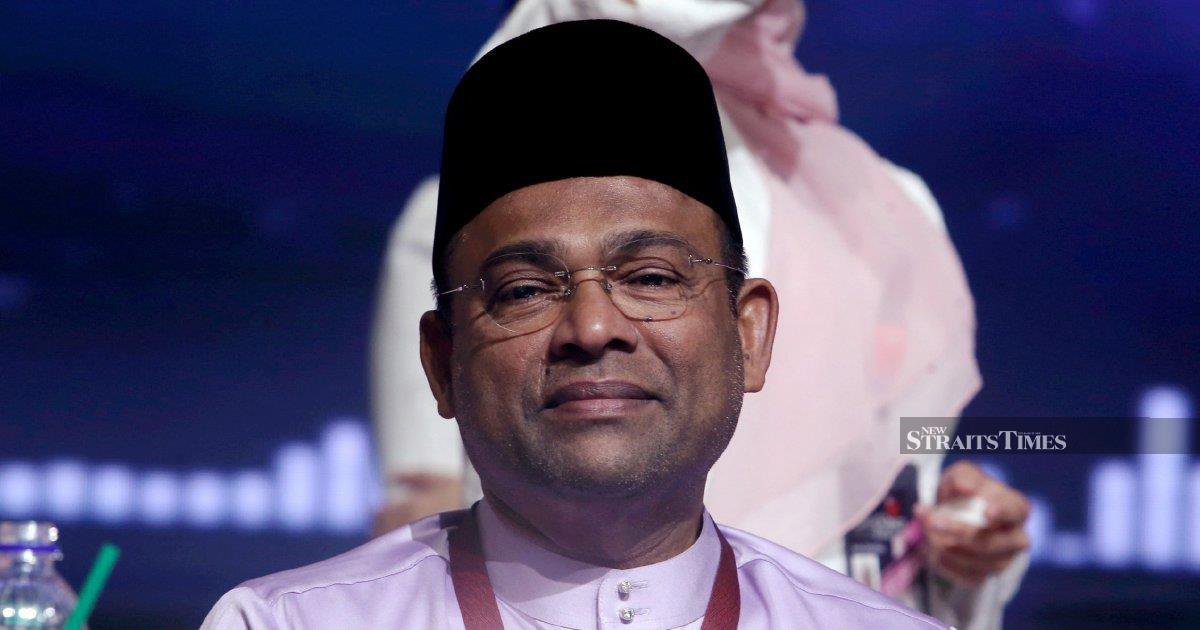
Datuk Seri Abdul Azeez Abdul Rahim, who previously headed Tabung Haji, has stepped back from Bersatu's recent demands that he publicly clarify his interactions with the Malaysian Anti-Corruption Commission surrounding the Royal Commission of Inquiry into the controversial pilgrim fund. The former chairman's response signals a deliberate deflection of political pressure as scrutiny intensifies over the management of Malaysia's largest Muslim financial institution.
The Bersatu party had called upon Azeez to provide transparent confirmation about whether he had received any approach from MACC investigators regarding the RCI's findings and recommendations. This demand emerged amid broader questions about accountability at Tabung Haji, whose operations have faced mounting criticism over alleged mismanagement and investment losses that affected millions of Malaysian pilgrims' savings. The timing of Bersatu's intervention underscores the political dimensions of the RCI investigation, which was initiated following public outcry over the fund's financial performance.
Azeez's position that the RCI report made no specific reference to his name represents a technical argument that sidesteps the substantive question of whether authorities are investigating his tenure. This distinction between explicit mention and implicit accountability raises important questions about how former leadership at major state institutions navigate post-inquiry scrutiny. The pilgrim fund's challenges have long transcended simple administrative failures, touching on broader governance issues within Malaysia's financial ecosystem.
Tabung Haji occupies a unique position within Malaysia's institutional landscape as the mandatory savings vehicle for the country's Muslim population preparing for hajj pilgrimage. The fund manages billions of ringgit accumulated over decades, making its stewardship a matter of profound public interest. Previous administrations relied on Tabung Haji as both a financial institution and an instrument of social policy, creating complex pressures that may have contributed to the institution's later difficulties.
The RCI's investigation into Tabung Haji operations addressed concerns about investment decisions, financial reporting, and governance structures that permitted significant losses. These losses ultimately diminished the accumulated savings of millions of Malaysian Muslims, creating a national scandal that demanded rigorous examination. The commission's mandate extended to identifying systemic weaknesses and determining individual and institutional accountability for documented failures.
Azeez's tenure as chairman positioned him at the centre of critical decisions during a period when Tabung Haji faced mounting challenges in its investment strategy and financial management. The specific findings regarding his leadership period would naturally invite scrutiny from anti-corruption authorities tasked with determining whether any breaches of protocol or misconduct occurred. His current response suggests a strategy of minimizing engagement with questions about his potential role in the fund's difficulties.
The political dimension of Bersatu's intervention deserves consideration within Malaysia's complex party dynamics. The party's demand for clarification carries implications beyond simple accountability; it reflects broader struggles within Malaysia's political establishment regarding how various factions manage narratives around institutional failures and personal responsibility. Such public exchanges often serve to consolidate political positions rather than necessarily advancing transparency.
For Malaysian pilgrims and their families, the RCI process represented a critical opportunity to understand what went wrong at an institution that holds profound significance in Islamic practice and personal finance. The investigation aimed to provide clarity about whether institutional failures resulted from honest mistakes in complex investment management or whether deliberate misconduct contributed to losses. The answers to such questions determine not only legal consequences but also public confidence in state institutions managing critical financial functions.
The broader implications for Malaysia's governance framework remain substantial. Tabung Haji's challenges highlight vulnerabilities in oversight mechanisms for large financial institutions, particularly those with significant social and religious responsibilities. The institution's structure, governance composition, and accountability frameworks all require examination to prevent similar crises affecting other segments of the Malaysian population or other state-managed funds.
As the RCI process concludes and potential follow-up investigations proceed, the responses of former leaders like Azeez will likely face intensified scrutiny. Whether MACC formally investigates allegations or questions arising from the RCI report remains dependent on evidence presented and legal assessments by prosecutors. The political pressure from Bersatu effectively signals that public expectation for accountability remains high, regardless of individual leaders' preferred level of engagement.
The case illustrates broader challenges within Malaysian governance regarding how state institutions maintain public trust following documented failures. The transparency and accountability mechanisms that address institutional crises often reflect political calculations alongside genuine commitment to reform. Moving forward, Tabung Haji's restructuring and governance improvements must address not only the immediate financial issues but also the systemic vulnerabilities that permitted such extensive losses to accumulate.

