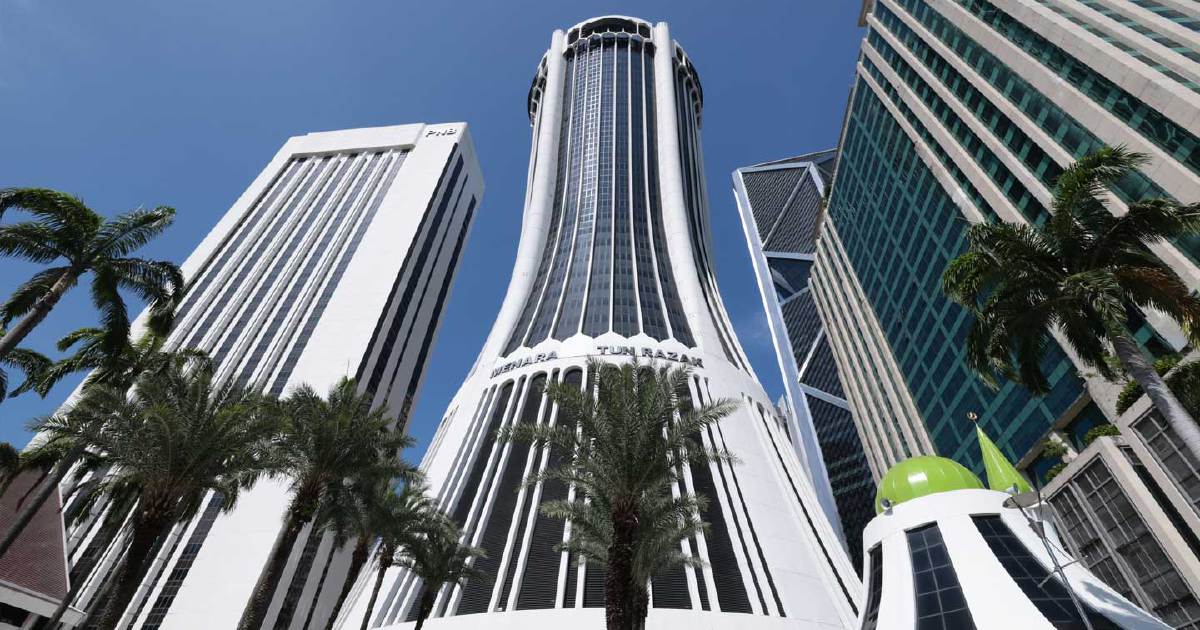
Prime Minister Datuk Seri Anwar Ibrahim has signalled that the final report from the Royal Commission of Inquiry examining Tabung Haji may become public as early as today, depending on procedural requirements within the Cabinet. Speaking to journalists in Kuala Lumpur, the Premier suggested that if governmental sign-off is not mandated, the findings could be disclosed without further delay. Should that administrative hurdle arise, he indicated the report would certainly be available by Wednesday at the latest.
The Royal Commission of Inquiry into Tabung Haji represents a crucial accountability exercise for the institution, which manages pilgrimage savings for millions of Malaysian Muslims. The timing of the report's release carries significant weight for a nation where the hajj fund has periodically attracted scrutiny regarding governance and the stewardship of contributors' accumulated resources. The investigation has been conducted with considerable public anticipation, as Tabung Haji's operational integrity directly affects the financial security of ordinary Malaysians preparing for one of Islam's most important religious obligations.
The announcement comes at a period when transparency initiatives are becoming increasingly central to the Government's reform agenda. The administration has emphasized the importance of institutional accountability across public entities, particularly those holding substantial public funds. For Tabung Haji specifically, establishing clear findings about management practices and any irregularities could reshape how the organization functions going forward and restore public confidence in its operations.
Tabung Haji's position as the trustee of hajj savings for Malaysian pilgrims places it in a uniquely sensitive role. The fund accumulates contributions from millions of Malaysians across various income brackets, many of whom have limited alternative savings vehicles and view their Tabung Haji account as essential to fulfilling their religious aspirations. Any governance failures or mismanagement uncovered by the inquiry would have ramifications extending far beyond institutional concerns, touching directly on citizens' ability to realize their spiritual objectives.
The Royal Commission model employed here reflects the Government's commitment to independent fact-finding on matters of substantial public interest. Such inquiries typically provide comprehensive examinations of organizational practices, decision-making processes, and potential areas where procedures may have been compromised. The breadth of such investigations means the Tabung Haji report is likely to contain detailed findings relevant not only to correcting past problems but also to preventing their recurrence.
From a regional perspective, Malaysia's approach to reviewing major public institutions serves as an example within Southeast Asia of how governments can address governance concerns through structured investigative mechanisms. The institutional learning that emerges from such exercises contributes to broader conversations about financial stewardship and public accountability across the region. The pilgrimage fund context also has relevance across the Muslim-majority nations of ASEAN, where similar schemes operate and face comparable governance challenges.
The imminent release of the report also carries political significance in Malaysia's contemporary context. The Government has staked considerable emphasis on fighting corruption and improving institutional standards as cornerstones of its reform program. Swift release of the inquiry findings demonstrates commitment to that agenda and provides citizens with concrete evidence of institutional oversight. Conversely, delayed publication or restricted access might generate public skepticism about the report's independence or the Government's willingness to address uncomfortable findings.
Market observers and financial analysts will likely scrutinize the report's recommendations regarding Tabung Haji's future governance structure and management practices. Any proposed reforms could influence investor confidence in the broader Malaysian financial ecosystem and particularly in public fund management. The fund's investment decisions and asset allocation strategies, should they fall under the inquiry's purview, may prompt discussions about risk management standards across public institutions more broadly.
The Cabinet approval pathway, should it become necessary, typically involves relatively straightforward procedures for releasing official inquiry findings to the public. Malaysian practice generally permits public disclosure of Royal Commission reports without extensive delay once Cabinet has reviewed them. The Prime Minister's suggestion that release could occur today reflects optimism about rapid administrative processing, though acknowledging Wednesday as a fallback timeline indicates realistic expectations about bureaucratic scheduling.
Civil society organizations and transparency advocates in Malaysia have awaited this report with particular interest, viewing it as a test case for institutional reform and public accountability. The report's content regarding specific findings, identified lapses, and recommendations for structural change will likely spark broader discussion about governance frameworks across other major public entities. For stakeholders including Tabung Haji contributors, financial regulators, and Government agencies overseeing pension and savings schemes, the findings will provide essential guidance for policy refinement.
The convergence of the inquiry's completion with the Government's emphasis on institutional integrity creates a window where reform initiatives can gain traction. Public attention focused on Tabung Haji's governance challenges could facilitate implementation of recommended improvements by establishing clear public expectations for organizational transformation. Implementation of the report's recommendations will likely emerge as a key accountability marker for the Government's reform credentials in coming months.

