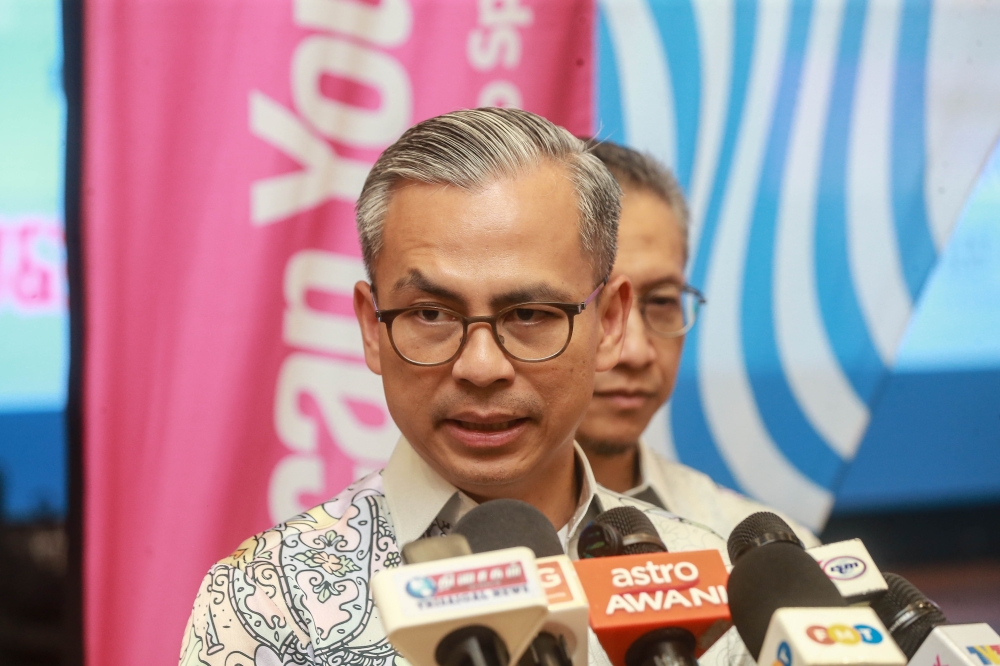
The findings from the Royal Commission of Inquiry into Lembaga Tabung Haji will be forwarded to multiple law enforcement and regulatory bodies for thorough investigation, Communications Minister Fahmi Fadzil announced in Putrajaya on August 12. The comprehensive probe, covering allegations of financial mismanagement, governance failures, and potential breaches at Malaysia's pilgrimage fund, will now enter a crucial enforcement phase involving the Royal Malaysia Police, the Malaysian Anti-Corruption Commission (MACC), Bank Negara Malaysia, and the Inland Revenue Board (IRB).
The RCI's decision to involve four separate agencies underscores the complexity and seriousness of the inquiries into Tabung Haji's operations. Police will likely focus on potential criminal conduct, while MACC will examine corruption angles. Bank Negara's involvement signals concerns about the institution's compliance with financial regulations and banking requirements, whereas IRB participation suggests scrutiny of tax-related matters that may have emerged during the inquiry. This multi-agency approach reflects the interconnected nature of the alleged violations, which span financial oversight, corporate governance, and regulatory compliance.
The RCI's investigation into Tabung Haji comes against a backdrop of mounting public concern about the management of a fund that holds savings for hundreds of thousands of Malaysian Muslims preparing for the hajj pilgrimage. Reports of alleged fund misuse, questionable investments, and internal governance problems had sparked calls for transparency and accountability. The establishment of the RCI represented a government commitment to addressing these concerns through an independent examination of TH's affairs.
By referring the report to these four distinct agencies, authorities are ensuring that each organisation brings its specific expertise and enforcement powers to bear on the findings. This coordinated approach avoids duplication while allowing specialised investigation of different aspects of the alleged misconduct. The phased response—from inquiry to enforcement—demonstrates a structured pathway for moving from factual investigation to potential legal action.
For Malaysian citizens and the broader Muslim community, the referral signals that the government is taking the RCI findings seriously and committing resources to pursue potential wrongdoing through established legal channels. Many Tabung Haji contributors have expressed frustration over the years regarding returns on investments and the fund's overall performance, making this investigation particularly significant to the public interest.
The involvement of Bank Negara is particularly notable given that institution's role as Malaysia's banking regulator and supervisor of financial institutions. If TH has failed to meet banking standards or engaged in unauthorised financial activities, Bank Negara possesses the authority to impose remedial measures, issue directives, or pursue administrative penalties. Similarly, the IRB's participation suggests the RCI uncovered potential tax compliance issues that warrant fiscal investigation and possible recovery of unpaid levies.
The MACC's inclusion reflects standard anti-corruption procedure when inquiries reveal potential criminal enrichment or bribery. Malaysia's anti-corruption agency has jurisdiction over both government officials and public servants involved in TH administration, as well as private parties who may have engaged in corrupt transactions with the fund. The MACC can pursue charges under the Malaysian Anti-Corruption Commission Act 2009 if evidence warrants prosecution.
Royal Malaysia Police involvement will enable investigation of potential offences under the Penal Code, Securities Commission Act, Company Act, and other relevant legislation. The police will examine matters such as criminal misappropriation, fraud, and breaches of fiduciary duty that may constitute criminal conduct rather than merely administrative or regulatory violations.
The announcement comes as part of broader government efforts to enhance institutional accountability and public confidence in government-linked entities. Tabung Haji's restoration remains important not only for the fund's financial health but also for public trust in governmental stewardship of religious and social assets. The referral demonstrates commitment to moving beyond investigation toward potential consequences for wrongdoing.
Stakeholders are now awaiting further developments from the referred agencies, which must prioritise their examinations given the public significance of the matter. The timeframe for completing these parallel investigations remains unclear, though coordination between the agencies will be essential to avoid conflicting outcomes or legal complications arising from overlapping jurisdictions.
The RCI report itself has not been made public in full, though its referral suggests findings sufficiently substantive to warrant formal investigation by law enforcement. The process ahead will determine whether allegations rise to the level of prosecutable offences or amount to breaches remediable through regulatory action and administrative reform.
This multi-layered investigative response reflects Malaysia's commitment to accountability mechanisms and demonstrates how separate enforcement agencies can work in tandem when institutional misconduct is alleged. For Tabung Haji contributors and the general public, the referral represents a critical juncture where inquiries transition from factual examination to potential legal consequences, with outcomes likely to shape governance standards across Malaysia's public institutions.

