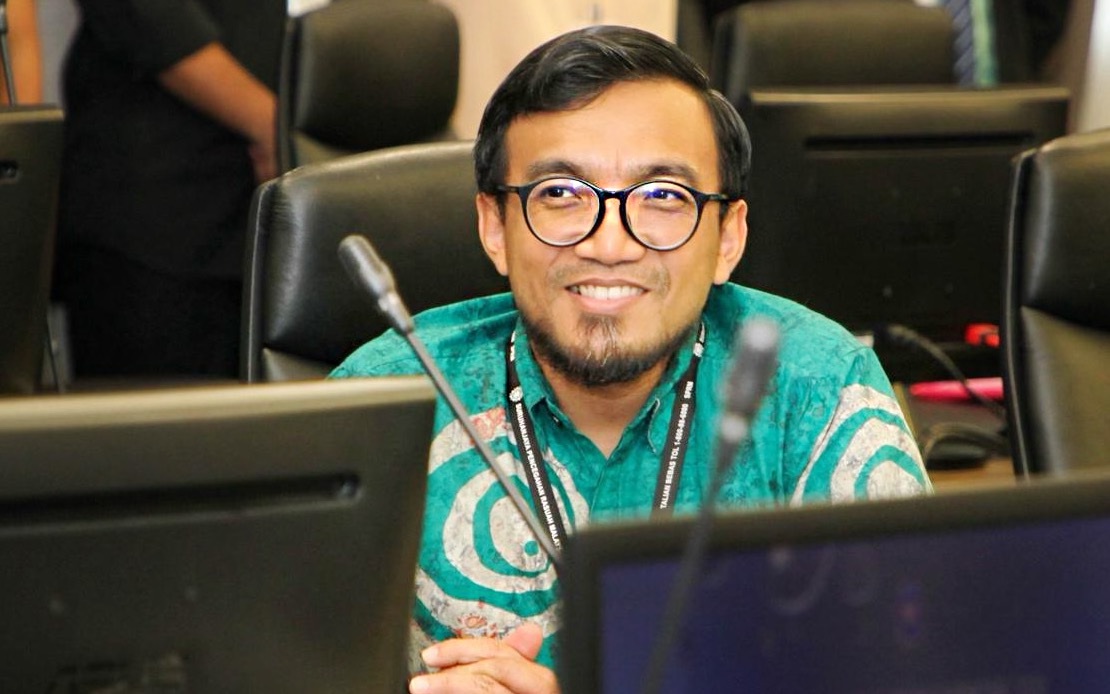
The execution of recommendations from the Royal Commission of Inquiry into Lembaga Tabung Haji must extend substantially beyond meeting scheduled deadlines and implementation plans, according to an economics lecturer from the International Islamic University Malaysia. Dr Muhammad Irwan Ariffin from IIUM's Kulliyyah of Economics and Management Sciences contends that the institution requires clearly defined performance indicators to allow stakeholders and regulators to objectively assess whether reforms are genuinely effective and delivering meaningful change.
For a religiously-significant financial institution holding billions in pilgrims' savings, the credibility deficit runs particularly deep. Regular progress disclosures become essential in this context, not merely as administrative exercises but as vehicles for addressing the profound uncertainty that continues to affect depositor behaviour and broader confidence in the institution's stewardship. Dr Irwan emphasizes that such reporting cadence directly influences how the public perceives Tabung Haji's trajectory, shaping decisions about fund management and future participation in the haj savings scheme.
The relationship between information transparency and economic behaviour forms the conceptual foundation of his argument. Financial stability does not depend solely on objective balance sheet metrics; it equally hinges on public perception and the expectations individuals hold regarding their money's security and returns. When institutions fail to communicate progress coherently or encounter implementation delays without substantive explanation, they risk creating an atmosphere of doubt. This uncertainty frequently translates into irrational depositor responses, such as panic withdrawals that do more damage than the original problem the reforms aimed to address.
On the governance dimension, Dr Irwan recommends that Tabung Haji undertake systematic reviews of its existing institutional frameworks to identify internal improvement opportunities. The selection of board members warrants particularly careful attention, with appointments evaluated primarily against criteria of professional expertise and demonstrated integrity rather than other considerations. Establishing genuine operational separation between the executive management body and oversight committees proves equally vital, ensuring that each entity can fulfil its designated responsibilities without interference or conflicting loyalties.
Political and commercial pressures should find no foothold within these committee structures, according to the economist's assessment. The institution must demonstrate robust insulation from such influences while adhering to rigorous accounting standards that permit external verification. Without these structural safeguards, even well-intentioned reforms risk becoming compromised or diverted from their original purpose of protecting depositor interests.
From an Islamic finance perspective, Dr Irwan observes that the proposed governance improvements directly embody foundational principles within Islamic economic thought. The values of trust, justice, and protection of wealth—encapsulated in the concept of hifz al-mal—form the philosophical underpinning of these reforms. The preventive approach inherent in strong governance structures aligns with the Islamic jurisprudential principle of sadd al-dhari'ah, which emphasizes preventing potential harm before it materializes rather than merely responding after damage occurs. Sound governance simultaneously enables Tabung Haji to calculate accurately the true profit earned from its operations and determine appropriate reserve levels and hibah distributions.
The economist emphasizes that investment evaluation must transcend binary halal-haram categorizations. Depositors increasingly expect comprehensive assessment of how governance structures protect their interests, moving beyond questions of religious permissibility to encompass the institutional safeguards surrounding their funds. This more holistic approach recognizes that a financially sound institution is itself a precondition for maintaining Islamic principles in practice.
Tackling generational shifts presents another crucial dimension. Younger Malaysians demonstrate heightened financial sophistication and greater concern regarding fund management practices compared to earlier cohorts. For Tabung Haji to attract and retain younger participants, Dr Irwan recommends substantially enhanced transparency in financial reporting alongside concurrent initiatives to improve financial literacy levels. These complementary efforts would encourage haj registration among working-age individuals rather than confining the practice to those nearing retirement. Transparency regarding financial statements, risk exposure, and governance mechanisms increasingly determines whether this demographic views the institution as trustworthy.
On portfolio strategy, Dr Irwan advocates for balanced diversification that combines the stability and liquidity characteristics essential for meeting annual haj quotas with growth-oriented assets capable of generating returns that offset inflation and enhance wealth accumulation. This equilibrium approach recognizes that Tabung Haji serves dual functions—functioning simultaneously as both a savings mechanism for religious pilgrimage and a long-term wealth preservation vehicle. Achieving appropriate balance between these objectives requires deliberate investment philosophy rather than gravitating toward either excessive conservatism or inappropriate risk-taking.
The broader Malaysian context frames the significance of these recommendations. As the nation's institutional investor for one of Islam's five pillars, Tabung Haji occupies a singular position in Malaysian financial and religious life. The credibility challenges following previous corporate controversies demand exceptionally rigorous standards and transparent communication. Neighbouring Southeast Asian countries with comparable religious institutions have faced analogous trust deficits, making Malaysia's approach to Tabung Haji reform consequential beyond its domestic borders as a potential model for institutional governance renewal in Islamic financial contexts.
Implementation ultimately depends on political will and organisational commitment to subordinating short-term considerations to long-term institutional integrity. The Royal Commission recommendations provide a blueprint, yet execution determines outcome. Performance metrics and transparent reporting create accountability mechanisms that transform recommendations from aspirational guidelines into binding operational standards. For Tabung Haji specifically, this disciplined approach becomes not merely good administrative practice but essential to recovering the trust that millions of Malaysian Muslims have extended to this institution across generations.

