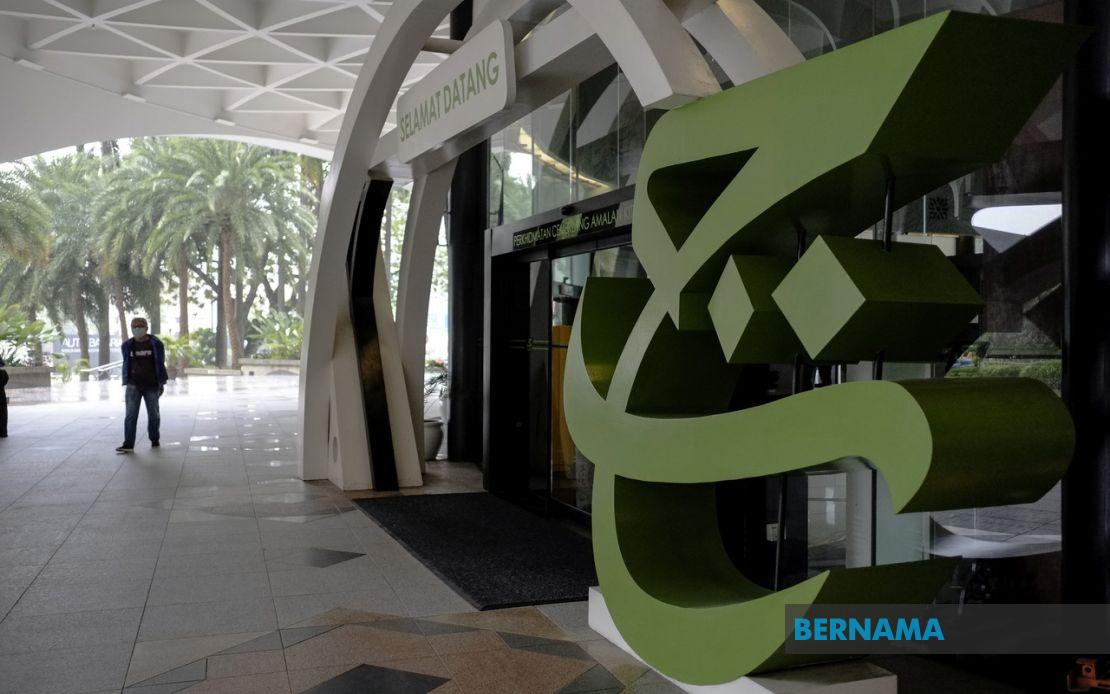
Tabung Haji has successfully navigated out of its financial crisis following a comprehensive restructuring programme that addressed massive investment losses accumulated over years of poor asset management, according to findings released by the Royal Commission of Inquiry in its fully declassified report. The pilgrim fund, which manages the savings of millions of Malaysian Muslims preparing for the hajj, faced a monumental challenge when investment losses totalling RM12.6 billion came to light, threatening the institution's ability to fulfil its core mandate and return deposits to members.
The recovery strategy unfolded in two phases. Between 2018 and the end of 2025, RM10 billion of the accumulated losses were addressed through the initial Recovery Plan, whilst the remaining RM2.6 billion in impaired assets were dealt with progressively across the subsequent years. This structured approach allowed Tabung Haji to absorb the losses without triggering an immediate crisis in deposit withdrawals, which could have devastated the institution entirely. The RCI's assessment indicates that three-quarters of its recommendations have already been put into effect, with the government pressing ahead to implement the final 25 per cent of suggested measures aimed at fortifying governance frameworks, tightening investment protocols, and strengthening risk management systems across the organisation.
The financial turnaround has become tangible in recent results. Tabung Haji reported investment income of RM4.64 billion in the previous year, marking its strongest performance since 2018 and signalling a genuine improvement in asset quality and yield. Alongside this, the institution has progressively increased its annual profit distribution to depositors, rising from just 1.25 per cent in 2018 to 3.25 per cent in 2024 and 3.5 per cent in 2025, restoring confidence amongst the millions of Malaysian pilgrims who have entrusted their life savings to the fund. These improvements demonstrate that the restructuring measures have delivered concrete results rather than remaining mere administrative exercises.
The centrepiece of the recovery programme involved transferring Tabung Haji's underperforming and non-core assets to Urusharta Jamaah Sdn Bhd, a government-created special purpose vehicle designed to hold and manage these problematic holdings whilst allowing the institution to concentrate on its primary responsibility of administering hajj operations. The assets transferred comprised a portfolio worth RM9.7 billion at market valuation but were handed over at RM19.9 billion, representing a RM10.2 billion premium essentially subsidised by the government. The RCI characterised this transfer as essential to preserving Tabung Haji's financial integrity, though it acknowledged the significant fiscal burden placed on the public sector through this intervention.
In recent years, Tabung Haji has begun selectively reacquiring some assets from the special purpose vehicle when conditions became favourable. Most notably, the institution repurchased prime property at Tun Razak Exchange for RM270 million, well below the original transfer price of RM400 million, demonstrating that some assets have recovered in value or that the initial transfer valuations were inflated. Similarly, Tabung Haji bought back the UJ Estates oil palm plantation for RM695 million, compared to its RM800 million transfer price, suggesting a measured approach to reassessing which assets genuinely belong under the institution's direct management.
Yet despite these encouraging developments, the RCI has sounded a cautious note about treating the recovery plan as a comprehensive, long-term solution to all of Tabung Haji's underlying problems. The commission identified several persistent structural weaknesses that demand urgent attention, including the need to substantially revise corporate governance arrangements, to comprehensively review the Tabung Haji Act 1995 which provides the legislative foundation for the institution's operations, and to implement more rigorous systems for managing investment risk and controlling operational costs. Without addressing these foundational issues, the RCI warned that Tabung Haji could slide back into crisis despite the current financial stabilisation.
A particularly pressing concern highlighted by the RCI relates to the sustainability of financial support from the government. The special purpose vehicle holding Tabung Haji's transferred assets financed its operations through sukuk issuances backed by government letters of support, with annual profit rates of 4.05 per cent and 4.10 per cent. The commission expressed alarm about whether the government would remain able and willing to redeem these sukuk instruments and continue providing the annual cash allocations that the Cabinet had previously committed. Should government funding dry up, Tabung Haji could find itself unable to back profit distributions to depositors with actual cash reserves, a situation that would undermine depositor confidence and could spiral into another crisis.
The investment landscape that led to Tabung Haji's original troubles reflected a combination of aggressive asset acquisition strategies, inadequate governance oversight, and insufficient risk management protocols that permitted the accumulation of underperforming properties and distressed investments. The institution's exposure to real estate, particularly in an era when property markets experienced significant volatility, left it vulnerable to valuation declines that transformed investment positions into substantial losses. For Malaysian savers, many of whom had allocated their hajj funds over decades in the belief they were safeguarded by a government-linked institution, the revelations of such massive losses triggered understandable anxiety about the safety of their deposits.
The recovery plan's success in restoring financial position must be contextualised within the broader governance landscape in Malaysia. Tabung Haji's crisis exemplified how even institutions with religious and cultural significance could fall victim to weak oversight mechanisms, inadequate Board independence, and insufficient segregation of roles and responsibilities. The lessons from this experience have reverberated across Malaysia's financial sector, prompting regulators and policymakers to scrutinise governance arrangements at other government-linked entities and statutory bodies that manage public or collective funds.
Moving forward, the RCI stressed that Tabung Haji requires more than incremental adjustments. A comprehensive modernisation of its regulatory framework is necessary to ensure the institution maintains capital adequacy ratios comparable to commercial financial entities, implements robust stress-testing procedures to anticipate market shocks, and establishes clear boundaries around permissible investment activities. The institution should also consider diversifying its revenue base beyond traditional property investments and ensuring that its asset allocation strategy reflects the long-term, predictable nature of hajj savings rather than chasing higher returns through speculative positioning.
The government's commitment to implementing the outstanding 25 per cent of RCI recommendations will be watched closely by depositors and financial observers. The pace at which legislative changes are enacted, governance reforms are embedded within the organisation, and risk management systems are upgraded will determine whether Tabung Haji achieves genuine, durable stability or merely presents a temporarily improved facade masking unresolved vulnerabilities. For millions of Malaysian pilgrims, the answer to these questions carries profound implications for their ability to confidently accumulate funds for the Islamic pilgrimage, one of the five pillars of their faith.

