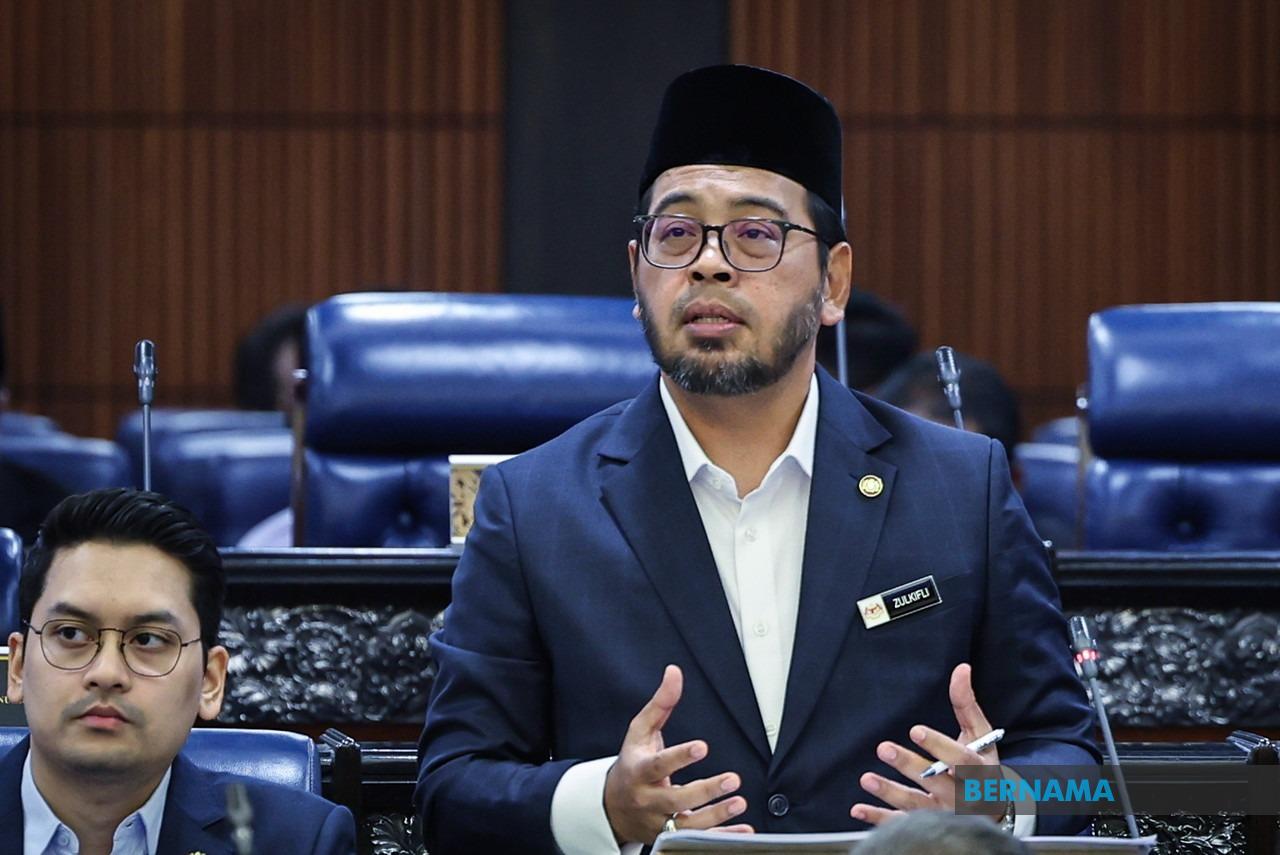
Tabung Haji has emerged considerably stronger from its financial crisis following a comprehensive restructuring and reform initiative launched in 2018, according to Religious Affairs Minister Dr Zulkifli Hasan. Speaking during a parliamentary briefing on the Royal Commission of Inquiry findings into the Islamic pilgrimage institution, Zulkifli outlined how a nine-pillar recovery strategy has successfully repositioned TH as a sustainable, professionally managed organisation capable of serving Malaysian Muslims for decades to come.
The minister emphasised that the recovery plan extended well beyond simple balance-sheet rehabilitation. Rather, it constituted a fundamental overhaul addressing multiple dimensions of institutional weakness that had accumulated over years of mismanagement and inadequate oversight. The nine strategic pillars encompassed financial restoration, governance enhancement, improved accountability mechanisms, strengthened investment practices, and mechanisms to ensure depositors received fair returns on their savings held within TH's system.
Critically, the reform architecture prioritised maintaining the fundamental purpose of Tabung Haji itself: ensuring that ordinary Malaysian Muslims could continue accessing the haj pilgrimage without prohibitive cost barriers. This objective took on heightened importance given that global inflation since 2001 had increased operating costs by 250 per cent. The ministry noted that despite this inflationary pressure, TH managed to hold the haj pilgrimage cost steady at RM33,300 for three consecutive seasons spanning 2024 to 2026, a remarkable achievement that underscores the effectiveness of operational efficiencies introduced during the restructuring.
The cost stabilisation reflected both strategic negotiation and structural innovation within TH's operations. By securing long-term contracts with airlines, the institution insulated itself from volatile air travel pricing while simultaneously negotiating directly with hotel proprietors in the Holy Land rather than engaging costly intermediary agents. These measures proved particularly significant given that TH must additionally absorb expenses associated with new facilities and services offered to pilgrims, making the frozen pricing even more noteworthy from a financial management perspective.
Governance improvements constituted another pillar of the reform agenda that produced tangible external validation. Tabung Haji received the Labaytum Diamond Award in successive years, marking its fifth consecutive Labaytum recognition overall. These accolades from international Islamic finance and pilgrimage management bodies signalled that TH's transformation had been recognised beyond Malaysia's borders, reflecting genuine operational and service quality enhancements rather than mere cosmetic changes.
The minister attributed these governance gains directly to the empowerment of professional leadership operating free from political interference. This represented a notable departure from TH's troubled recent history, when institutional decision-making had been compromised by external pressures and inadequate internal controls. The reformed structure now positioned experienced management to execute strategic plans without undue obstruction, creating space for long-term institutional thinking rather than short-term political considerations that had previously destabilised operations.
Financial restructuring itself proved critical to TH's rehabilitation. The reform programme explicitly targeted asset and liability reconstruction, systematically addressing the balance-sheet deterioration that had threatened the institution's viability. By comprehensively reorganising its financial architecture, TH restored sufficient capital reserves and liquidity to underpin operational continuity and depositor confidence simultaneously. This dual objective—ensuring both institutional solvency and individual depositor protection—represented the fundamental challenge that the entire reform initiative sought to resolve.
For Malaysian Muslims contemplating the haj pilgrimage, these institutional reforms carried profound practical implications. Beyond the maintained affordability question, the governance improvements and professional leadership changes signalled that TH would manage pilgrim logistics, accommodation arrangements, and financial transactions with greater competence and transparency. The Labaytum awards specifically reflected improvements in pilgrim welfare and service provision, suggesting that the spiritual experience itself had been enhanced through better operational management.
The broader Southeast Asian context also warranted consideration. As the largest Islamic pilgrimage funder in the region, Tabung Haji's stability mattered beyond Malaysia's borders. Malaysian workers and residents across the region regularly participate in TH schemes, making the institution's financial soundness a regional concern. The successful restructuring thus represented not merely a domestic Malaysian achievement but a significant stabilisation of an important regional Islamic financial institution.
Politically, the minister's parliamentary briefing reflected the government's commitment to demonstrating TH's recovery, particularly following the damaging revelations contained in the Royal Commission of Inquiry report. By articulating the nine-pillar strategy and citing concrete achievements including service awards and cost maintenance, the ministry sought to restore public confidence in an institution that had suffered considerable reputational damage. The emphasis on professional leadership and freedom from political interference also signalled institutional reform aspirations more broadly within Malaysia's public sector.
Looking forward, Tabung Haji's continued success hinged on maintaining the governance disciplines and professional autonomy that the reforms had established. The institution faced ongoing challenges including volatile international currency markets affecting haj costs, evolving pilgrim expectations regarding accommodation and services, and the perpetual balancing act between financial sustainability and affordability for middle and lower-income Muslims. However, the demonstrated capacity to navigate these pressures while maintaining service quality suggested that the institutional foundation had genuinely been strengthened, positioning TH to fulfil its mandate for future generations of Malaysian pilgrims.

