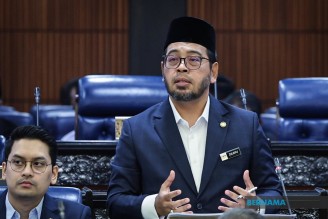
A controversial investment by Tabung Haji (TH) in Putrajaya Perdana Bhd has emerged as one of 14 problematic ventures that ensnared Malaysia's pilgrimage fund in the broader 1Malaysia Development Bhd (1MDB) scandal, ultimately costing the institution RM145.3 million in accumulated losses. The revelation came during a parliamentary briefing where Minister in the Prime Minister's Department (Religious Affairs) Dr Zulkifli Hasan disclosed the extent of TH's entanglement with 1MDB transactions, raising serious questions about corporate governance and fiduciary responsibility during the controversial period.
The connection became particularly acute when TH appointed its then-chairman to lead Putrajaya Perdana Bhd, effectively positioning the pilgrimage fund at the centre of a web of questionable dealings. This move proved pivotal in drawing TH into a series of 1MDB-related transactions that would haunt the institution's balance sheet for years. The arrangement raised fundamental concerns about conflicts of interest and the potential subordination of TH's mandate—protecting the interests of Muslim pilgrims—to broader political agendas that may have prioritised corporate restructuring over institutional health.
Among the most troubling aspects of this period was TH's acquisition of land from 1MDB at the Tun Razak Exchange (TRX) development site when controversy surrounding the sovereign wealth fund was already intensifying. The timing of this purchase, combined with overlapping board memberships, created a troubling appearance of coordination rather than arm's-length commercial transactions. Dr Zulkifli's observations during the parliamentary session pointedly questioned whether such investments genuinely served TH's interests or whether they functioned as a mechanism to absorb losses from other stakeholders facing financial difficulty.
The parliamentary minister further highlighted the perplexing situation whereby TH's chief executive officer simultaneously held a directorship on 1MDB's board, creating an unprecedented conflict of interest that should have triggered immediate red flags within the institution's governance framework. This dual role meant a single individual was making decisions affecting TH's capital allocation while owing fiduciary duties to a separate entity with potentially divergent interests. The structural weakness this represented underscores how governance lapses during the period allowed decisions to be made without adequate separation of responsibilities or independent oversight.
Beyond the 1MDB-related losses, the Royal Commission of Inquiry documented RM145.3 million in losses from the Putrajaya Perdana investment alongside billions of ringgit in losses from other problematic ventures across the 14-investment portfolio that came under scrutiny. The accumulated damage reflected not merely isolated bad decisions but systemic failures in investment evaluation, risk assessment, and portfolio monitoring that allowed capital to be deployed without adequate safeguards. The magnitude of these collective losses demonstrated how institutional weaknesses, when compounded across multiple investments, could undermine an organisation's fundamental purpose.
The TRX land transaction became emblematic of TH's poor capital allocation practices during this period. After selling the property to 1MDB for RM400 million in 2018, TH later reacquired the same land at a significantly reduced price of RM270 million based on current market valuations. This sequence of transactions effectively crystallised the institutional losses while highlighting how market depreciation, management missteps, and the broader 1MDB controversy had damaged asset values. The repurchase, now possible because TH's financial position has strengthened, represented an attempt to recover losses but also symbolised the long-term damage inflicted by the earlier decisions.
Another troubling investment involved the FGV Holdings listing, which had been heralded as a major success for Malaysia's capital markets, with the initial public offering raising over RM10 billion. However, TH's substantial holdings in FGV subsequently suffered catastrophic value erosion, ultimately incurring losses exceeding RM1 billion. Rather than taking timely corrective action as share prices collapsed, TH management compounded the damage by holding the depreciating securities while simultaneously modifying impairment accounting policies—a practice Dr Zulkifli characterised as an attempt to obscure rather than address the growing losses. By the time corrective measures were implemented, the share price had fallen more than 80 per cent, transforming what should have been a flagship investment into a cautionary tale of passive portfolio management.
The TH institution's involvement with UJ Estates (Holdings) Sdn Bhd's oil palm plantation followed a similar trajectory of value destruction and attempted recovery. Having sold the plantation for RM800 million, TH subsequently reacquired it at a current market value of RM695 million, with the transaction structured to include RM115 million in cash and an enterprise value of approximately RM580 million. This pattern—selling prematurely, then repurchasing at diminished valuations—suggests systemic mispricing of assets and poor timing in capital allocation decisions that plagued the institution throughout the period under review.
The Royal Commission of Inquiry report, which was made public on 29 July following its submission to the Yang di-Pertuan Agong on 30 August 2022, comprised 211 pages of detailed findings addressing management and operational weaknesses spanning the 2014-2020 period. The government had established the RCI in 2021 to examine the institutional failures that had accumulated over this critical timeframe, with formal member appointments occurring on 20 January 2022. The comprehensive examination documented not merely financial losses but fundamental breakdowns in governance, risk management, and accountability mechanisms.
Significantly, the RCI submitted 25 specific recommendations for institutional improvement, with TH having implemented approximately 75 per cent of these recommendations by 30 July—demonstrating accelerated reform efforts following the inquiry's completion. These reforms represent attempts to strengthen governance frameworks, improve investment evaluation processes, and establish more robust oversight mechanisms to prevent recurrence of the systemic failures that facilitated the earlier losses. The implementation rate suggests institutional commitment to addressing the findings, though the true measure of success will depend on sustained execution and cultural change within TH's management structure.
For Malaysian investors and the broader Islamic finance sector, the TH experience carries important implications about governance standards and institutional oversight. The Putrajaya Perdana investment and associated 1MDB transactions revealed how even established institutions serving important social functions could fall victim to governance failures when adequate checks and balances were absent. The case demonstrates that institutional reform requires not merely policy adjustments but fundamental changes to decision-making processes, board independence, and management accountability structures. As TH works to restore its financial position and implement RCI recommendations, the institution's recovery trajectory will be closely watched as a test case for whether Malaysian institutional governance can be strengthened through formal inquiry processes and structured reform programmes.

