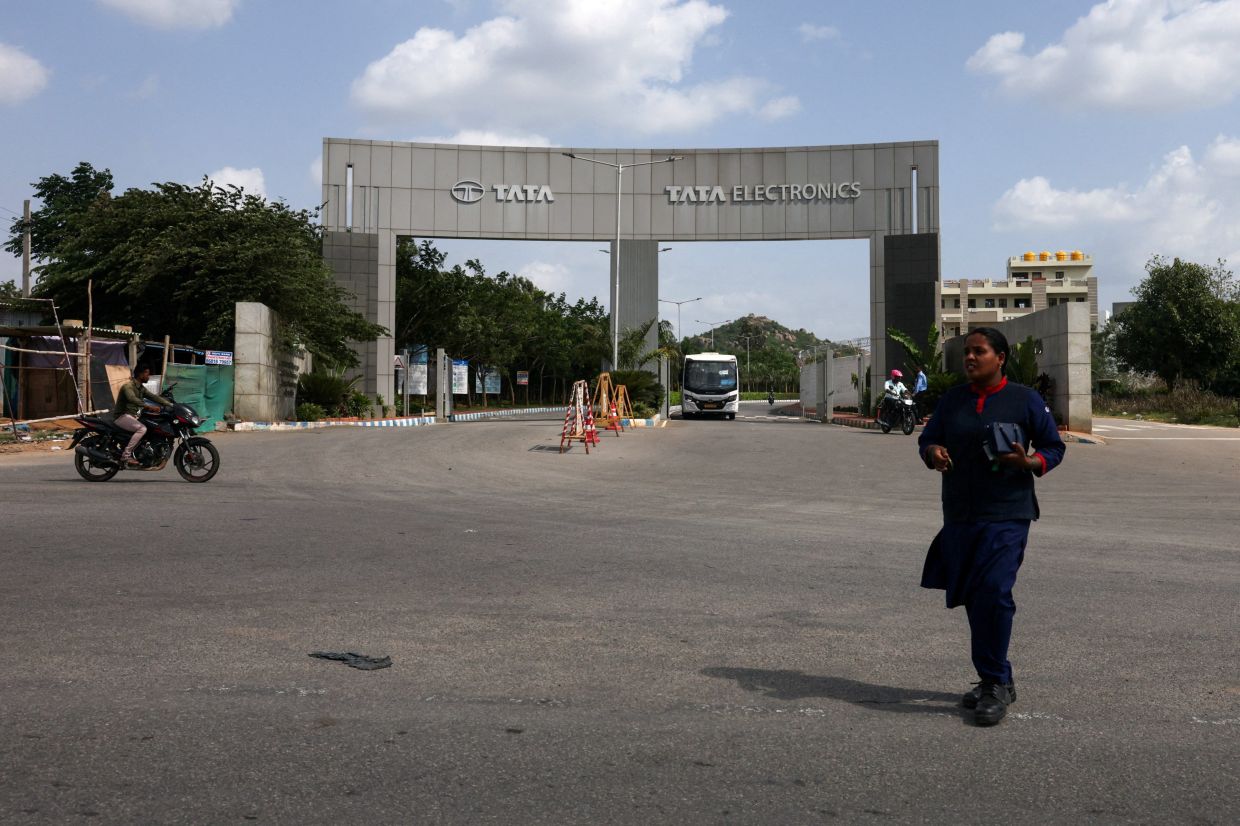
Tata Electronics, a critical manufacturing partner for global technology leaders, has acknowledged a significant cybersecurity breach detected within recent weeks, marking another challenge for India's push to become a major electronics manufacturing hub. The company disclosed the incident on Monday after security researchers identified that World Leaks, a ransomware operation, had uploaded purported design specifications and component documentation belonging to Apple and Tesla—two of Tata's major clients—on the dark web. The scale of the alleged data theft is substantial, with security researchers confirming that more than 200,000 files totalling over 630 gigabytes have been posted by the threat group, which operates beyond the reach of standard internet search engines.
Tata Electronics stated in a formal response to Reuters that its response protocols were activated immediately upon detection, and that the incident had not disrupted operational continuity across its various business divisions. The company maintained that all systems remained functional and unaffected by the breach. However, the incident has triggered broader concerns given Tata's expanding role as one of Apple's most significant manufacturing partners outside China. The company currently handles approximately one-third of Apple's iPhone production capacity in India, a position that underscores the strategic importance of the manufacturing relationship and the potential implications of compromised data security at the facility.
Apple initiated an investigation into the breach shortly after learning of the incident, with sources familiar with the matter indicating that a comprehensive analysis was underway. The technology company also received a ransom demand connected to the data theft, though neither Apple nor Tata has publicly disclosed details about the demand's monetary value or specific conditions. Apple declined to comment on the breach when contacted by media outlets, while Tata similarly refused to elaborate on the ransom demand, citing standard operational procedures for handling sensitive security matters.
The compromised data appears to include substantial volumes of proprietary materials. Security researcher Rajshekhar Rajaharia, who examined the leaked Tata files, confirmed that the collection encompasses not only component design specifications but also employee communications spanning multiple years, system event logs, and copies of passport documents belonging to Tata staff members, including international personnel. A separate analysis by security researcher Rakesh Krishnan revealed that the data dump had been accessible on the dark web since at least June 10, providing a timeline for potential exposure.
The materials related to Apple include at least 181 files and folders containing quality inspection standards, circuit board component specifications, and documentation explicitly marked with Apple's proprietary confidentiality notices. Particularly sensitive are materials linked to Tata's iPhone assembly operations in Hosur, Tamil Nadu, with 33 folders identified specifically referencing that location. Among the leaked documents is a comprehensive 52-page quality inspection manual bearing Apple's proprietary markings, which outlines the testing protocols and acceptance criteria for circuit board components used in iPhones.
Tesla's intellectual property appears similarly exposed through the breach. The data includes what researchers identified as manufacturing specifications and assembly documentation for components allegedly used in Tesla's Model Y upgrade, with references to an "NV36 Chargeport Controller" designed for North America markets. Additionally, purported Tesla documents dated May 2025 carry headers explicitly labelling them as trade secrets and contain technical drawings associated with Tesla's Project Highland, an internally known codename for the company's redesigned Model 3 sedan. These materials, if authentic, would represent early-stage engineering work for one of Tesla's most anticipated vehicle refreshes.
World Leaks has established itself as an active threat in the global ransomware ecosystem, having previously claimed responsibility for breaches affecting other major corporations, including the sportswear manufacturer Nike. The group's operations highlight the persistent vulnerability of even well-resourced multinational companies to sophisticated cyber attacks. The breach of Tata Electronics represents another escalation in the rising tide of supply chain-focused cybercrimes, where attackers target manufacturers and suppliers to gain leverage against their more prominent corporate clients.
This incident compounds existing challenges facing Apple's manufacturing expansion in India. Tata has simultaneously faced environmental scrutiny related to alleged contamination of agricultural lands surrounding its iPhone component manufacturing facility, creating multiple operational and reputational pressures. The timing is particularly significant given that Prime Minister Narendra Modi has positioned India's electronics manufacturing sector as a cornerstone of the nation's economic diversification strategy, with Tata's partnership with Apple serving as a flagship example of foreign investment in domestic manufacturing capabilities.
Tata's cybersecurity vulnerabilities have been demonstrated previously, though at a different corporate entity. The conglomerate's Jaguar Land Rover division in Britain experienced a significant cyberattack the previous year that forced a six-week production shutdown, illustrating that cybersecurity challenges persist across Tata's global operations. These recurring incidents suggest potential systemic gaps in the group's security infrastructure that may require comprehensive remediation across all divisions handling sensitive data.
The Indian Computer Emergency Response Team, the federal agency responsible for monitoring and responding to cybersecurity incidents within India's information technology sector, did not provide immediate comment on the breach. The agency's involvement would typically include assessment of whether national security or critical infrastructure considerations apply, particularly given the sensitive nature of data relating to major multinational technology companies' manufacturing operations within Indian territory.
The authenticity of the leaked materials has not been independently verified by major news organisations, though security researchers who examined the files noted numerous indicators consistent with legitimate proprietary documents, including proper formatting, metadata, and the presence of standard corporate confidentiality markings. The extensive nature of the data dump and the technical specificity of the component designs suggest a comprehensive compromise of internal systems rather than a selective or targeted theft.
This breach underscores the emerging reality that global supply chain security now encompasses not merely physical security protocols but also sophisticated cybersecurity defences capable of withstanding advanced persistent threats. For Malaysian businesses operating within regional electronics manufacturing and assembly networks, the incident serves as a cautionary reminder of the mounting risks associated with handling proprietary data for multinational technology companies. The vulnerability demonstrated at Tata Electronics—one of the region's most prominent manufacturers—suggests that comparable risks may extend throughout the broader supply chain ecosystem across South Asia and Southeast Asia.