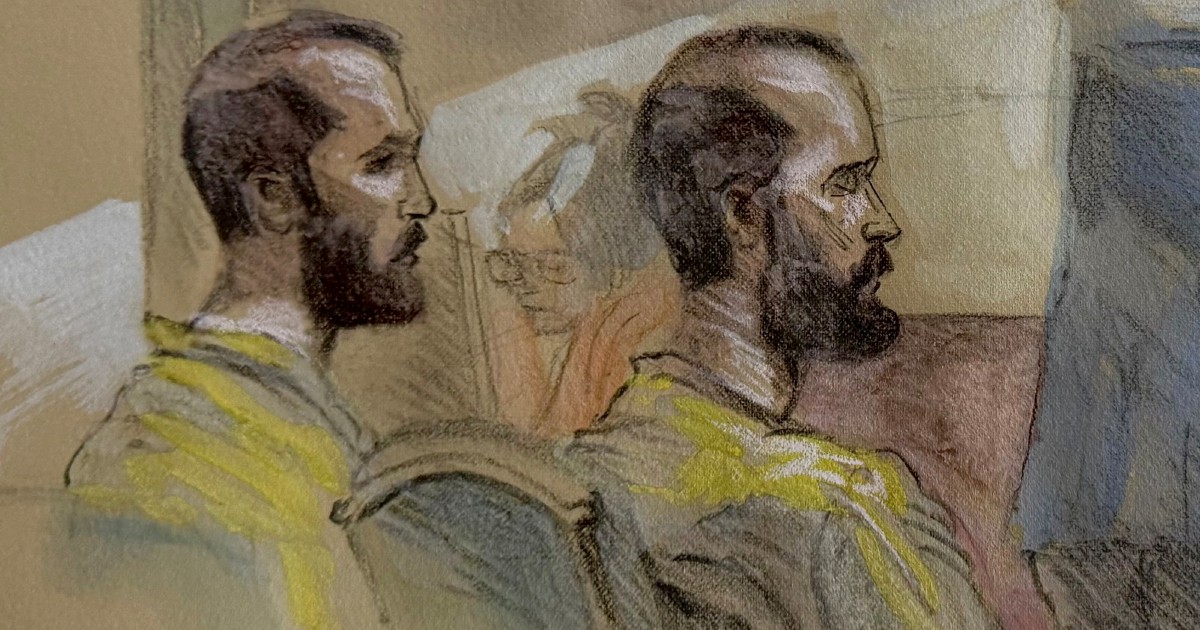
The high-profile Tate brothers, known for their substantial social media following, will continue their detention at a Miami federal facility as their legal battle over extradition to the United Kingdom intensifies. During proceedings at Miami federal court on Thursday, Magistrate Judge Lauren Louis took the unusual step of withholding an immediate decision on the siblings' bail application, effectively maintaining their current incarceration status. This procedural holding pattern means the pair will remain under federal supervision until the judge issues her formal determination on their request for release.
Andrew and Tristan Tate face serious allegations in Britain, where authorities have charged them with sexual offences. The charges stem from investigations that have attracted significant international media attention, particularly given the brothers' prominent online presence and their influence over millions of followers across various digital platforms. The extradition proceedings represent a complex jurisdictional matter that hinges on whether US courts will permit the British legal system to prosecute the pair on their home soil.
The decision to postpone the bail ruling suggests the magistrate requires additional time to carefully weigh the competing legal arguments presented by both the defence and prosecution. Such deliberation periods are common in high-stakes extradition cases, where judges must balance the presumption of innocence against flight risks and other considerations. The delay also allows both sides to submit supplementary documentation or legal memoranda that might influence the judge's final determination.
For Malaysia and other Southeast Asian nations, this case underscores the growing complexity of managing digital-age criminality across borders. The Tate brothers' significant following in this region means their legal troubles have not gone unnoticed by their supporters, many of whom remain active in defending them online. The case demonstrates how social media influence can transcend national boundaries, creating international law enforcement challenges that earlier generations of criminal justice systems were never designed to navigate.
The extradition process itself involves several potential stages. If the magistrate denies bail, the brothers may appeal to higher US courts. If she approves their release with conditions, they would remain subject to stringent monitoring requirements. Throughout these proceedings, British authorities continue building their case, awaiting the opportunity to either retrieve the defendants or proceed through alternative legal channels if extradition ultimately fails.
Meanwhile, the legal costs associated with defending against these charges have presumably mounted substantially. Complex international extradition cases often require teams of specialists versed in both domestic law and international treaties governing the movement of accused persons between nations. The financial burden on the defendants, regardless of their ultimate guilt or innocence, remains considerable and ongoing.
The situation also raises questions about judicial efficiency in the US federal system. Magistrate judges handle millions of cases annually, yet high-profile matters like this one demand careful consideration. The postponement of her ruling acknowledges that such consequential decisions cannot be rushed, even when media attention and public interest demand swift outcomes. This deliberative approach, while sometimes frustrating to observers, reflects the seriousness with which US courts approach extradition matters.
British authorities have demonstrated their commitment to pursuing this case through formal legal channels rather than taking shortcuts. Their patience in allowing the US federal process to unfold properly suggests confidence in their underlying investigation and evidence. The United Kingdom and United States maintain robust extradition treaty frameworks precisely to enable this kind of cooperation in serious criminal matters affecting both nations' interests.
For the Tate brothers themselves, remaining in federal custody while awaiting judicial decisions presents significant challenges. Federal jails maintain stricter conditions than many state facilities, and the uncertainty of their legal status—neither formally extradited nor fully released—creates an ambiguous limbo that can weigh heavily on defendants and their families. The psychological toll of extended detention, combined with the reputational damage already incurred through public allegations, represents a substantial burden even before any trial proceedings commence.
The broader implications for influencer accountability also merit consideration. The case demonstrates that social media prominence provides no immunity from prosecution or legal consequences. As digital platforms continue reshaping social hierarchies and communication patterns globally, including throughout Southeast Asia, the legal system's willingness to pursue high-profile online personalities sends an important message about equal treatment under law.
Magistrate Judge Louis's cautious approach in scheduling future determinations rather than rushing to judgment reflects judicial best practices in complex cases with significant international dimensions. Her ruling, whenever it arrives, will likely establish important precedent regarding how US courts handle bail decisions in extradition cases involving British prosecution requests. Both the defence and prosecution will undoubtedly scrutinize her eventual reasoning for clues about her broader thinking on extradition admissibility and the brothers' ultimate prospects.

