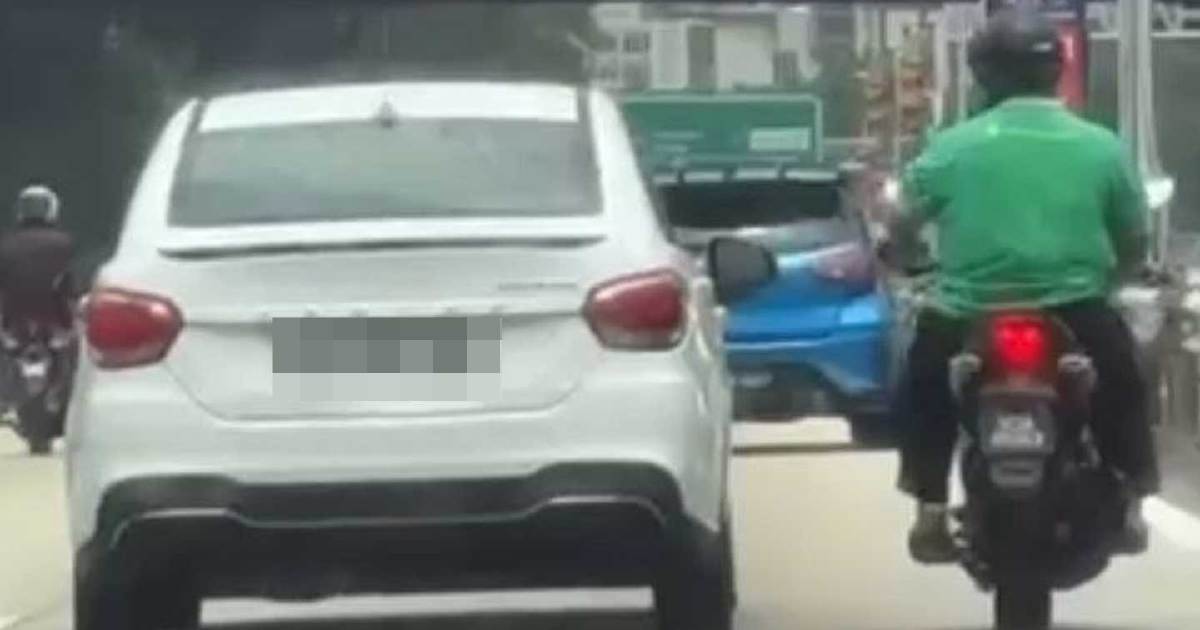
Police have apprehended a technician in his 30s following an alleged attack involving a stone thrown at another vehicle during a confrontation on the Kuala Lumpur-Seremban Expressway in Sungai Besi. The incident highlights the persistent problem of aggressive conduct on Malaysian highways, where minor traffic disagreements frequently escalate into dangerous confrontations that endanger road users.
The circumstances surrounding the altercation remain under investigation by traffic police, who responded to the scene after receiving reports of the disturbance. According to available details, the dispute originated from a traffic incident between the two vehicles, though specific details about what triggered the initial disagreement have not been disclosed. The suspect was detained at a nearby police station for further questioning and processing.
This occurrence reflects a troubling trend of heightened road rage incidents across Malaysia's expressway network, particularly during periods of heavy traffic congestion. Highway authorities and law enforcement agencies have consistently warned motorists about the dangers of engaging in confrontational behaviour whilst operating vehicles, as such incidents divert attention from the road and create hazardous situations for all road users. The throwing of objects at vehicles poses a significant safety risk, potentially causing damage to property and putting occupants at serious risk of injury.
Highway safety officials stress that disputes over driving conduct or parking should never escalate to physical aggression or property damage. The Kuala Lumpur-Seremban Expressway, one of the nation's key transport corridors connecting the capital to Negeri Sembilan, experiences considerable daily traffic volume. Incidents of this nature not only disrupt normal traffic flow but also create additional strain on emergency response resources that must be deployed to manage the situation.
Motoring associations across the region have launched multiple awareness campaigns emphasizing conflict de-escalation and safe driving practices. They recommend that drivers encountering aggressive behaviour on expressways should avoid engaging with other motorists, instead choosing to continue their journey safely and reporting serious incidents to authorities. Maintaining composure and avoiding confrontational situations represents the most effective approach to preventing such dangerous escalations.
The arrest of this individual sends a clear message that authorities take aggressive road conduct seriously and will pursue prosecutions against those who endanger public safety. Legal consequences for such offences can include substantial fines and potential imprisonment, depending on the severity of the incident and any resulting injuries or damage. Police traffic divisions have been intensifying enforcement activities to discourage dangerous driving behaviour and promote a culture of responsible motoring throughout the country.
For Malaysian commuters and long-distance travellers, this incident serves as a sobering reminder of the importance of maintaining emotional control during driving. Road conditions may frustrate even the most patient drivers, particularly during peak hours when congestion transforms journeys into stressful ordeals. However, allowing such frustration to translate into aggressive action creates genuine danger for oneself and other innocent road users.
Highway operators have implemented various safety measures across Malaysia's expressway network, including improved signage, enhanced lighting, and expanded emergency response capabilities. Complementing these infrastructural improvements, public education campaigns continue to emphasize that courteous driving practices and mutual respect amongst motorists form the foundation of highway safety. When drivers prioritize the wellbeing of other road users over individual grievances, accident rates decline and journey times become more predictable.
The investigation into this incident remains ongoing, with police gathering witness statements and examining any available evidence from the location. As more details emerge, they may provide additional context about the nature of the dispute and whether any aggravating factors influenced the suspect's behaviour. Authorities are also examining whether the incident caused any damage or injuries requiring medical attention.
This case underscores the necessity for continued community engagement in promoting road safety consciousness. Insurance companies, vehicle manufacturers, and government agencies have collectively invested in driver education programmes designed to equip motorists with conflict resolution skills applicable to highway situations. Such proactive measures, combined with consistent law enforcement, contribute to reducing the frequency of dangerous incidents on Malaysian expressways and protecting the millions of commuters who traverse these vital transportation corridors daily.

