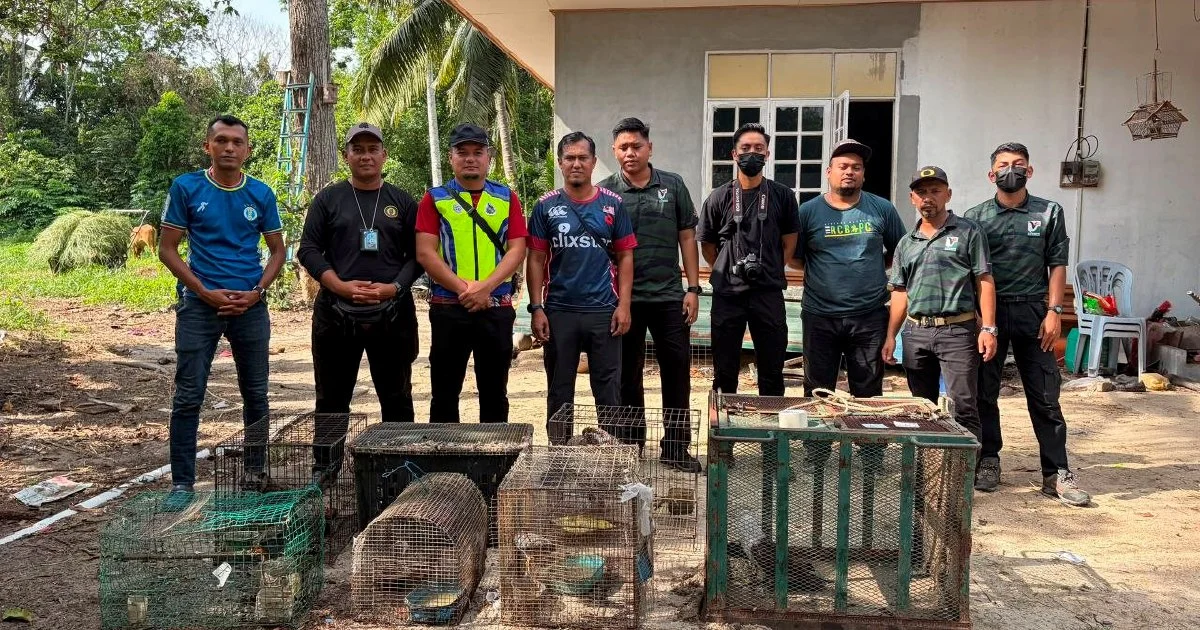
An 18-year-old has been arrested in Tumpat following a raid that uncovered a cache of protected animals with an estimated market value of RM48,500. The operation, conducted in the Kelantan district, resulted in the seizure of four distinct species designated under Malaysia's protected wildlife regulations, marking another significant intervention in the country's ongoing battle against animal trafficking.
The apprehension represents a continuation of enforcement activities by wildlife authorities across Malaysia, who have intensified operations targeting the illegal trade in protected creatures. The presence of multiple species in the suspect's possession suggests a coordinated operation rather than opportunistic poaching, pointing to organised networks that capitalise on persistent demand for exotic animals across the region. The substantial monetary value attached to the confiscated animals demonstrates the financial incentives driving traffickers to continue operating despite legal consequences.
Malaysia's protected wildlife framework criminalises the unauthorised possession, transport, and trade of endangered species listed under both the Wildlife Protection Ordinance and the Convention on International Trade in Endangered Species. These regulatory mechanisms exist to prevent population collapse among vulnerable fauna and maintain ecological balance in the country's diverse ecosystems. The arrest in Tumpat exemplifies the critical need for sustained vigilance, as traffickers persistently attempt to move animals through transportation hubs and cross-border routes.
The geographical location of the bust carries particular significance, as Tumpat lies along major trafficking corridors in the northern peninsula. This district has historically served as a transit point for contraband destined for cross-border networks, particularly those extending into Thailand. Law enforcement agencies have identified such strategic locations as priority surveillance zones, where coordinated checkpoints and intelligence gathering operations can intercept trafficking activities before animals reach larger distribution networks.
The four species involved in this case highlight the diversity of Malaysia's wildlife facing trafficking pressure. From reptiles to mammals and avian species, poachers and traders target creatures with high demand among private collectors, particularly in Southeast Asian and international markets where exotic pet ownership commands premium prices. Collectors in Thailand, Vietnam, and other regional destinations drive demand that perpetuates domestic extraction and trafficking of Malaysian fauna.
Conviction under Malaysia's wildlife protection laws carries substantial penalties, including imprisonment and fines that escalate based on the species involved and the value of confiscated animals. For juveniles charged with wildlife offences, courts often consider rehabilitation potential alongside deterrent sentencing, though serious cases involving large-scale trafficking operations typically result in custodial sentences. The age of the arrested teenager may factor into sentencing considerations, though the value and organised nature of the seizure suggest this case extends beyond minor infractions.
Wildlife enforcement agencies coordinate across state and federal jurisdictions to identify trafficking networks and dismantle supply chains. Intelligence sharing with customs authorities, port operators, and border agencies has improved detection rates, though trafficking organisations continually adapt by diversifying routes and concealment methods. The increasing involvement of younger individuals in trafficking activities suggests networks are deliberately recruiting youth, potentially to exploit perceived leniency in juvenile justice systems.
These operations underscore the complex relationship between conservation and enforcement in Malaysia. While seizures prevent immediate harm through removal of animals from illegal circulation, they also highlight underlying drivers that trafficking networks exploit: poverty in source communities, inadequate alternative livelihoods, and persistent international demand. Comprehensive anti-trafficking strategies must therefore integrate community development, species reintroduction, habitat protection, and demand reduction alongside enforcement.
The economic dimensions of wildlife trafficking extend beyond individual traders and traffickers. Criminal networks operating across Southeast Asia generate billions annually through animal trade, with profits often channelled into broader illicit economies involving drugs, weapons, and human trafficking. Malaysian authorities, collaborating with regional partners through ASEAN frameworks and bilateral agreements, increasingly recognise wildlife enforcement as integral to broader transnational crime prevention efforts.
Public awareness campaigns have expanded alongside enforcement operations, targeting both supply and demand sides of the trafficking equation. Educational initiatives attempt to reduce the appeal of exotic pet ownership by emphasising welfare concerns and ecological impacts, whilst highlighting legal consequences for participation in trafficking. The arrest in Tumpat demonstrates that enforcement capacity continues developing, with trained personnel equipped to identify protected species and document evidence meeting prosecutorial standards.
Looking forward, the case raises broader questions about how Malaysia can sustain enforcement intensity whilst simultaneously addressing root causes of trafficking participation. Youth engagement in illegal wildlife networks reflects constrained economic opportunities in certain regions and inadequate understanding of conservation imperatives. Strategic interventions combining targeted law enforcement with economic development and environmental education may prove more durable than enforcement initiatives alone.

