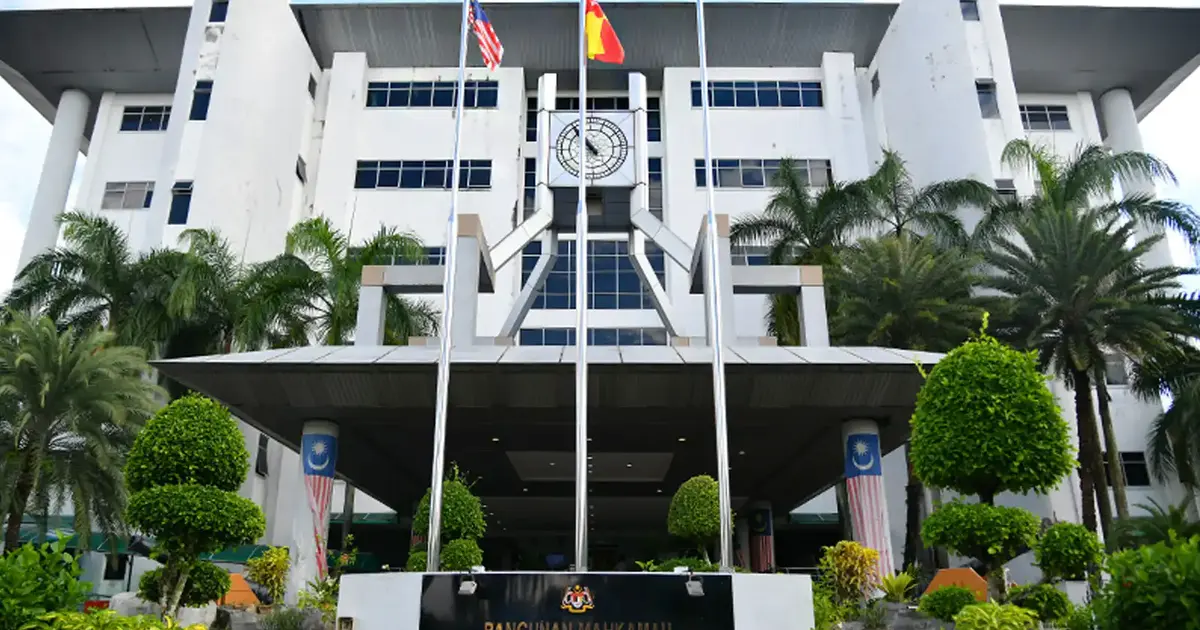
A Shah Alam High Court judge has ruled that a 15-year-old boy accused in a fatal stabbing at a Bandar Utama school must enter his defence, marking a significant procedural milestone in a case that has drawn considerable attention to school safety and juvenile justice in Malaysia. Judge Adlin Abd Majid determined that the prosecution had successfully established a prima facie case—the legal threshold requiring sufficient evidence to proceed to trial—against the teenager, who cannot be named under Malaysian law protecting minors in the justice system.
The decision to order the boy to enter his defence represents a pivotal moment in the investigation and prosecution. Under Malaysian criminal procedure, a prima facie finding means the court believes the prosecution has presented enough credible evidence, if accepted as true, to sustain a conviction on the charges presented. This determination does not indicate guilt; rather, it signals that the case contains sufficient substance to warrant a full trial where both the defence and prosecution will present their complete arguments before the court.
The case has become emblematic of broader concerns within Malaysian society regarding youth violence and the circumstances that lead teenagers to commit serious crimes. The incident occurred at a school in Bandar Utama, a residential area in Selangor, placing it squarely within public consciousness given the setting. School-related violence cases invariably trigger scrutiny of security measures, counselling services, and the socioeconomic or personal factors that may contribute to such tragic outcomes.
For Malaysian observers of the justice system, this proceeding underscores the complexities of handling criminal cases involving minors. The law affords certain protections to juveniles, including confidentiality regarding their identities and proceedings conducted with considerations for their age and development. Simultaneously, the severity of the allegations—a fatal stabbing—requires the courts to balance rehabilitative goals with public accountability and justice for victims and their families.
The prosecution's ability to establish a prima facie case suggests they presented testimony, physical evidence, or other documentation that, on its face, connects the accused to the alleged offence. Prosecutors would have needed to demonstrate elements such as motive, opportunity, and the means by which the crime was committed. The nature and quality of such evidence will now become central to the trial proper, where the defence will have full opportunity to challenge, refute, or contextualize the state's case.
As the matter progresses toward trial, significant questions loom regarding the teenager's background, mental health, and circumstances. Courts in juvenile cases often consider whether factors such as abuse, trauma, substance influence, or developmental issues contributed to the alleged conduct. These considerations, while not excusing criminal behaviour, inform sentencing if conviction occurs and shape the rehabilitative pathway the justice system might pursue.
The family of the victim faces the difficult period ahead as the trial unfolds. For them, the court's decision to proceed represents a step toward justice, yet the lengthy litigation process typical of serious criminal cases in Malaysian courts means years may pass before final resolution. The extended timeline, while necessary to ensure fairness and due process, compounds the suffering of those affected by the tragedy.
Regionally, Malaysia's handling of high-profile juvenile crime cases is watched as an indicator of how Southeast Asian justice systems balance punishment, rehabilitation, and protection of minors. The country's approach differs from some neighbouring jurisdictions, with particular emphasis on rehabilitation potential for young offenders. How this case ultimately concludes may influence policy discussions around school security, youth intervention programmes, and juvenile sentencing frameworks across the region.
The defence team now bears the responsibility of constructing arguments countering the prosecution's case. They may challenge the evidence presented, question witness credibility, raise doubts regarding identification or procedure, or present alternative explanations for the conduct. The trial phase offers both parties opportunity to test their respective narratives before a judicial officer who will ultimately determine guilt or innocence based on the criminal standard of proof beyond reasonable doubt.
Legal experts observing Malaysian jurisprudence will scrutinize how the court applies juvenile justice principles while addressing the gravity of the allegations. Precedent and statutory guidelines will shape the judicial approach, ensuring that regardless of verdict, the outcome reflects both accountability for serious criminal conduct and recognition of the offender's youth and potential for rehabilitation or, conversely, permanent incapacitation if danger to society warrants such measures.
The road to trial involves numerous procedural steps, including pre-trial conferences, possible plea negotiations, and preparation of evidence bundles. These administrative phases, while seemingly technical, afford opportunities for resolution short of full trial, should both parties determine that appropriate. Nonetheless, given the case's serious nature and public dimensions, the likelihood of proceeding to a full hearing remains substantial.
As the case advances, Malaysian society will continue observing how the justice system responds to youth violence. The outcome carries implications extending beyond the immediate parties, potentially influencing school policies, parental awareness of warning signs, and public perception of adolescent criminality. The coming months will be marked by legal arguments, evidence examination, and careful judicial consideration of a situation that has shaken a school community and prompted broader reflection on safety and responsibility among young people.

