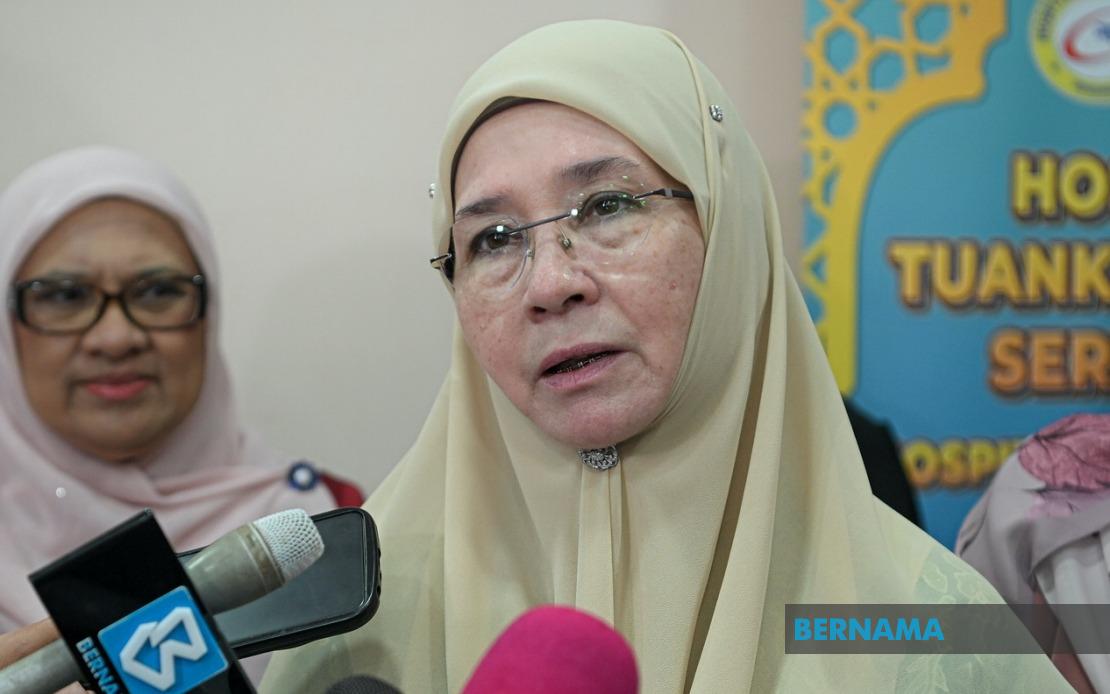
Tengku Ampuan Pahang Tunku Azizah Aminah Maimunah Iskandariah has stepped into the escalating land dispute affecting the Orang Asli community in Kampung Sungai Cot, Maran, by offering affected families temporary resettlement on property she personally owns. The gesture reflects growing concern at the highest levels of Pahang's royal household over the plight of indigenous families facing displacement and housing insecurity through the ongoing territorial conflict.
Major General Datuk Mohamed Zahari Yahya, who serves as Comptroller of the Royal Household for the Sultan of Pahang, announced the initiative on behalf of Tunku Azizah. He characterised the offer as rooted in the Tengku Ampuan's deep empathy for the community and her recognition of their unique vulnerabilities. The Comptroller emphasised that Tunku Azizah has been monitoring the situation closely and understands intimately the anxiety and hardship experienced by those confronted with potential eviction or relocation.
Crucially, Tunku Azizah's concern for Orang Asli welfare extends beyond mere humanitarian sentiment. According to Mohamed Zahari, her academic pursuits have illuminated the historical and developmental contributions that indigenous communities have made to Pahang over generations. This scholarly engagement has informed her conviction that Orang Asli deserve recognition not simply as marginalised groups requiring charity, but as integral communities whose rights and dignity merit protection. The Tengku Ampuan regards them as holders of a special place within Pahang society, deserving of substantive rather than symbolic support.
The practical dimensions of the offer centre on available land in Kuala Wau, Maran, which Tunku Azizah has made available for families requiring housing. Critically, her undertaking extends beyond temporary sanctuary. Mohamed Zahari confirmed that should the Kuala Wau property undergo development in future years, the Tengku Ampuan has committed to ensuring that Orang Asli residents will not face displacement or marginalisation. This guarantee addresses a fundamental anxiety in indigenous communities: the fear that any resettlement proves merely provisional, with genuine security remaining perpetually elusive.
The offer encompasses not only families currently displaced by the Kampung Sungai Cot dispute but potentially extends to any Orang Asli households across the district facing shelter crises or seeking new settlements. Eligibility remains subject to royal approval and compliance with applicable legislation, reflecting the need to maintain proper governance frameworks even within this charitable initiative. By broadening eligibility criteria, Tunku Azizah has signalled a commitment to addressing indigenous housing insecurity as a systemic challenge rather than narrowly responding to a single incident.
Tunku Azizah's intervention arrives at a moment when the Maran land dispute has escalated to national political attention. Prime Minister Datuk Seri Anwar Ibrahim has indicated his intention to engage with the Pahang state government regarding resolution, acknowledging that land administration falls under state jurisdictional authority. This alignment between royal initiative and prime ministerial engagement suggests that pressure is mounting to find equitable solutions that address both indigenous land rights and broader administrative claims.
Beyond the material provision of resettlement land, the Tengku Ampuan has articulated a broader vision for dispute resolution. She has called upon all stakeholders to prioritise mutual understanding and reciprocal respect, emphasising that constructive dialogue and genuine consultation offer the only pathway to outcomes that genuinely serve the interests of all parties involved. This framing rejects zero-sum competition and instead advocates for collaborative problem-solving that acknowledges the legitimacy of competing claims whilst prioritising vulnerable communities.
The initiative carries particular significance for Malaysian indigenous policy and royal engagement with Orang Asli issues. Historically, such communities have experienced institutional neglect and marginalisation despite constitutional recognition of their special position. When senior members of state royal houses personally intervene—offering private resources and pledging substantive protective commitments—it signals changing expectations around royal responsibility toward indigenous welfare. This model potentially establishes precedent for how other traditional authorities might engage with Orang Asli challenges across Malaysia.
For Pahang specifically, the gesture underscores tension between competing land claims and indigenous settlement rights that increasingly demand principled resolution. The state has long grappled with balancing development imperatives against indigenous land security, with Orang Asli communities frequently emerging disadvantaged from such calculations. Tunku Azizah's intervention, however philanthropic in origin, implicitly critiques existing mechanisms for protecting indigenous interests and suggests that formal government structures require supplementation through royal initiative.
The broader implications for Orang Asli communities across Southeast Asia merit consideration. As Malaysia's indigenous populations face intensifying pressure from resource extraction, urban expansion, and competing land claims, models of protective engagement from state authorities become increasingly valuable. Whether through land provision, welfare guarantees, or principled advocacy for dialogue-based resolution, institutional actors possessing both resources and moral authority can meaningfully influence outcomes affecting vulnerable populations.
Yet the initiative simultaneously reveals persistent gaps in institutional responsibility for indigenous protection. That a royal household must intervene with personal resources to address housing crises among indigenous communities suggests systemic inadequacy in government provision and indigenous land rights protection. While Tunku Azizah's compassion merits commendation, her intervention should ideally complement rather than substitute for robust legal frameworks and government programmes ensuring indigenous welfare as a matter of right rather than royal discretion.
Moving forward, the success of this initiative will depend on genuine implementation, transparent management of settlement procedures, and sustained commitment to protective obligations even as circumstances evolve. The Tengku Ampuan's articulated commitment to preventing marginalisation should land development occurs represents the critical test of whether this intervention represents temporary alleviation or durable transformation of indigenous security in Maran.

