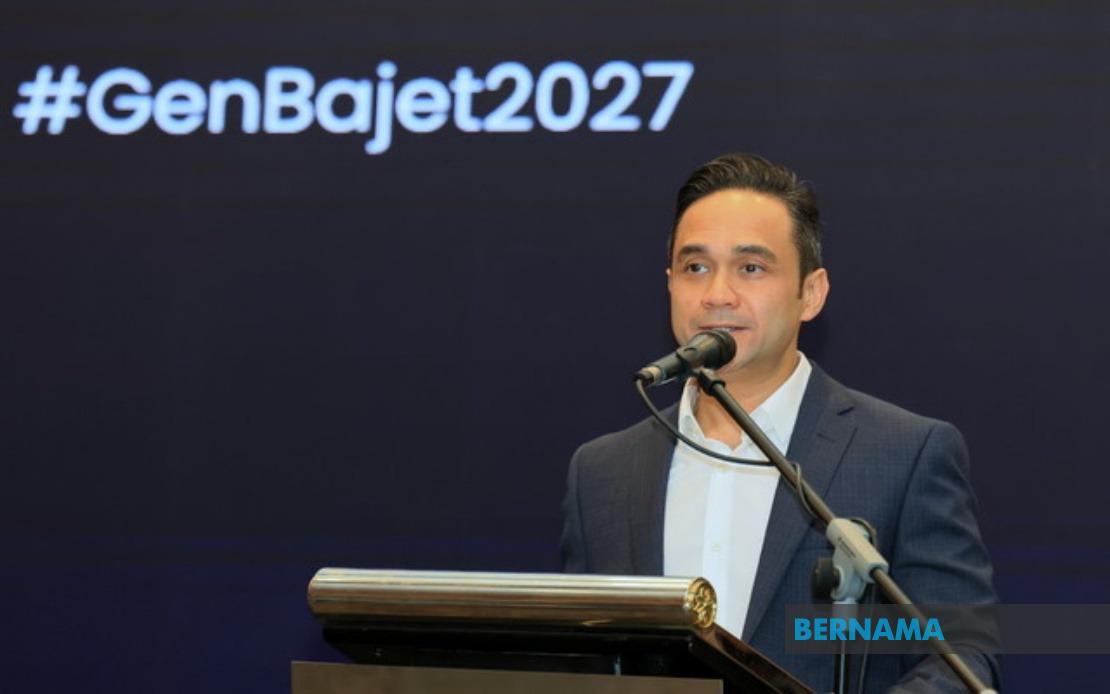
The Bumiputera Agenda Steering Unit (TERAJU) is making a strong case for substantial budgetary allocation in 2027 to support the ongoing rollout of the Bumiputera Economic Transformation Plan 2035 (PuTERA35), arguing that adequate resources are essential to realising the government's vision for broad-based Bumiputera economic empowerment. Speaking in Cyberjaya, Nik Nazree Nik Abdul Rahman, senior director of TERAJU's Strategic Services Division, underscored the critical importance of securing sufficient financial backing to drive 132 interconnected initiatives that collectively aim to elevate Bumiputera participation and ownership across the economy over the next decade.
The 10-year strategic blueprint, which was formally launched in August 2024, represents a cornerstone component of the government's broader MADANI Economy framework. Rather than a standalone policy document, PuTERA35 functions as an integrated roadmap spanning from 2024 through 2035, deliberately designed to increase Bumiputera control and meaningful participation in key economic sectors. The plan's three-pillar structure and 12 drivers provide a comprehensive architecture meant to translate aspirations into measurable economic outcomes, though implementation remains heavily contingent on consistent and adequate financing.
According to Nik Nazree, the path forward requires not merely maintaining current investment levels but strategically concentrating funding where potential for transformative impact is greatest. Energy transition initiatives emerged prominently in his remarks as an area offering substantial untapped commercial opportunities for Bumiputera entrepreneurs, many of whom currently lack the scale and capital access necessary to compete in emerging green economy sectors. This represents a critical window: as Southeast Asia accelerates its shift toward renewable energy and sustainable practices, businesses that establish footholds early stand to capture disproportionate long-term value.
Crucially, TERAJU's leadership has identified a second funding priority that speaks to systemic constraints within Malaysia's Bumiputera enterprise ecosystem. Capital market access—through mechanisms such as Islamic finance instruments, venture capital channels, and equity fundraising platforms—remains inadequately developed for Bumiputera-owned firms, particularly small and medium enterprises seeking to scale beyond local markets. Without targeted government support to bridge this financial gap, many promising Bumiputera businesses risk remaining perpetually undersized relative to their regional and international competitors.
Progress measurement presents another dimension of TERAJU's accountability framework. At the midpoint of PuTERA35's implementation cycle, the unit has achieved 67 percent completion across identified initiatives—a superficially impressive figure that masks a more complex underlying reality. Nik Nazree publicly acknowledged that while processes and programmes are advancing, the critical question remains whether these efforts are actually translating into tangible improvements in Bumiputera enterprise strength and household income generation. This distinction between implementation velocity and outcome realisation is crucial for policymakers evaluating whether to increase, maintain, or redirect budget resources.
The oversight architecture supporting PuTERA35 reflects the initiative's political weight within Malaysia's governance hierarchy. Implementation progress is monitored through multiple channels, including dedicated working committees and the Bumiputera Economic Council, which operates under the direct chairmanship of Prime Minister Datuk Seri Anwar Ibrahim. This high-level governance structure signals the administration's commitment but also illustrates how dependent success remains on sustained political will and consistent budget prioritisation across electoral cycles and policy shifts.
To substantiate its funding claims with hard evidence, TERAJU plans to release a comprehensive performance report examining PuTERA35's two-year track record by year-end 2025. This assessment document will presumably provide granular data on implementation metrics, identify bottlenecks that have emerged, and—critically—establish a factual foundation for negotiating budget allocations going forward. In Malaysia's competitive budgeting environment, where multiple ministries and agencies compete for finite resources, having credible performance data becomes essential leverage for securing increased allocation in subsequent budget cycles.
The broader regional context heightens the stakes surrounding PuTERA35's adequacy of funding. Across Southeast Asia, governments are similarly mobilising state resources to build indigenous business capacity and reduce economic concentration among dominant conglomerates. Thailand's SME development programmes, Indonesia's cooperative sector initiatives, and Vietnam's domestic entrepreneur schemes all represent competing approaches to the same fundamental challenge: ensuring that economic growth translates into widespread prosperity rather than concentrating wealth among established elites. Malaysia's ability to implement PuTERA35 effectively will substantially influence whether Bumiputera business participation grows as an economic force or remains marginal within the broader economy.
The timing of TERAJU's advocacy also merits consideration within domestic fiscal politics. Budget 2027 represents the first major appropriations cycle following the 2023 general election, meaning the government faces both heightened expectations from its Bumiputera constituency and competing demands from other communities and sectors. Education, healthcare, infrastructure, and defence all represent legitimate budget priorities, creating genuine tension over resource allocation. How the Finance Ministry weighs TERAJU's request against these competing claims will reveal much about the government's actual prioritisation of Bumiputera economic advancement versus rhetorical commitment.
Implementing 132 distinct initiatives across a diverse economy without sufficient funding inevitably leads to programme fragmentation, where some initiatives receive adequate support while others operate at bare minimum capacity. This patchwork implementation approach typically produces uneven results, leaving certain sectors and Bumiputera communities significantly advantaged while others advance marginally or stagnate. Strategic budget concentration could potentially reduce the number of initiatives but dramatically improve outcomes across a prioritised subset—a trade-off that TERAJU and the government will need to evaluate.
Looking forward, the effectiveness of Malaysia's Bumiputera economic empowerment strategy will likely hinge less on the breadth of initiatives proposed than on the consistency and sufficiency of financing provided to execute them well. TERAJU's forthright advocacy for adequate Budget 2027 allocation represents a necessary and appropriate assertion that transformative economic change requires transformative investment levels.

