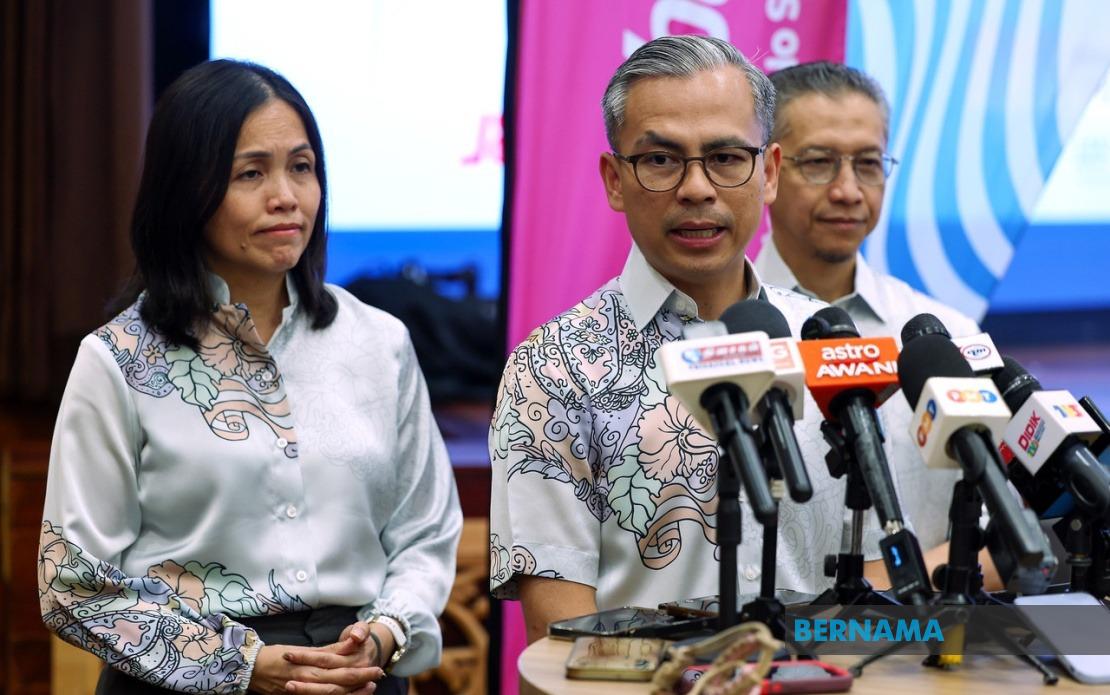
The Royal Commission of Inquiry report on Tabung Haji, released last month, will now move into the enforcement phase with investigations led by multiple government agencies, Communications Minister Datuk Seri Fahmi Fadzil announced on Tuesday. The groundwork for potential criminal prosecutions has been laid following months of public scrutiny into the Islamic pilgrimage fund's governance during a turbulent seven-year period that saw significant operational and financial irregularities.
The handover represents a critical transition from investigative fact-finding to investigative action. Prime Minister Datuk Seri Anwar Ibrahim has tasked the Royal Malaysia Police, the Malaysian Anti-Corruption Commission, Bank Negara Malaysia, and the Inland Revenue Board with probing findings documented in the RCI report. Agencies responsible for anti-money laundering and terrorism financing compliance, operating under the AMLA legislative framework, will also conduct parallel inquiries. This multi-agency approach signals the government's determination to pursue accountability across multiple potential violation categories, from corruption through to possible financial crimes.
Fahmi's announcement came after a specially convened parliamentary session on Monday where legislators debated the commission's conclusions. During that sitting, Finance Minister II Datuk Seri Amir Hamzah Azizan and Minister in the Prime Minister's Department (Religious Affairs) Dr Zulkifli Hasan provided additional testimony and evidence to lawmakers, supplementing the formal RCI findings. These supplementary submissions will be forwarded to investigating authorities to deepen their evidentiary base before any prosecutorial decisions are made.
The RCI, which concluded its work in July, examined Tabung Haji's stewardship between 2014 and 2020, a period marked by mounting public complaints regarding investment losses, mismanagement allegations, and governance failures affecting millions of Malaysian pilgrimage contributors. The commission documented systemic weaknesses across management structures and operational procedures, producing 25 recommendations aimed at institutional reform. As of late July, Tabung Haji has already implemented three-quarters of these recommendations, suggesting some remedial efforts have commenced ahead of formal law enforcement involvement.
The decision to distribute investigative responsibilities among multiple agencies rather than concentrating them in a single body reflects the complexity and breadth of alleged wrongdoing. Corruption investigators from the MACC will focus on potential bribery, abuse of office, or illicit enrichment. Police commercial crime specialists may examine fraud allegations involving misrepresentation of investments or fund flows. Bank Negara's involvement suggests regulatory breaches in financial oversight and compliance protocols. The IRB's participation hints at potential tax evasion connected to undisclosed transactions or hidden income flows. This compartmentalised approach allows each body to apply specialised expertise to distinct categories of suspected violations.
Alternatively, political pressure is mounting for an expanded inquiry. Multiple lawmakers from both the ruling Pakatan Harapan coalition and the Barisan Nasional opposition have called for a second RCI examining the 2021-2025 period, concerned that institutional problems may have persisted or metastasised beyond the original commission's temporal scope. Fahmi acknowledged these demands but explained that establishing a new RCI would require dual approval from the Cabinet and the Yang di-Pertuan Agong, given the constitutional status of royal commissions. No announcement regarding such an extension has been made, leaving questions about post-2020 conduct unresolved for now.
The parliamentary debate itself exposed fractures within Malaysia's fragmented opposition landscape. While Parti Pribumi Bersatu Malaysia MPs attended Monday's session despite their party's historical alignment with Perikatan Nasional, lawmakers from PAS and other PN coalition partners staged a dramatic walkout. They objected to Speaker Tan Sri Johari Abdul's decision to proceed without Prime Minister Anwar Ibrahim's physical presence, boycotting both the ministerial briefing and subsequent parliamentary debate. Fahmi seized upon this absence, noting the irony that PAS ministers had participated in the original 2021 decision to establish the RCI but were now refusing to engage with its conclusions. His remarks highlighted deep political divisions over Tabung Haji accountability, with PN apparently attempting to prevent parliamentary narrative control.
The timing of the investigation handover carries significance for Malaysian public discourse around institutional integrity. Tabung Haji holds profound symbolic and practical importance within the Muslim-majority nation, serving as a repository of savings for millions of ordinary Malaysians saving toward the hajj pilgrimage. Revelations of mismanagement have damaged public trust in the institution and raised broader concerns about governance standards in faith-based financial bodies. By visibly mobilising law enforcement agencies, the government seeks to demonstrate commitment to holding wrongdoers accountable and restoring institutional credibility.
For Southeast Asian observers, the case illuminates challenges facing plural democracies managing large public institutions with religious or communal significance. Questions about board independence, executive oversight, audit function efficacy, and whistleblower protections have parallels in other regional nations grappling with similar governance puzzles. The RCI process itself—Malaysia's approach to independent investigation of serious institutional allegations—offers a comparative model, though its limitations become evident when political actors resist its findings through parliamentary boycotts.
The investigation pathway now diverges into potentially years of formal inquiries, preliminary investigation reports, and prosecutorial decision-making. Evidence collection, witness interviews, and forensic financial analysis will determine whether formal charges materialise against any individuals implicated in management failures. The criminal justice outcomes remain uncertain, but the symbolic message is now clear: institutional misconduct within major state agencies faces formal investigation and potential prosecution, regardless of political sensitivities or previous official tenure.

