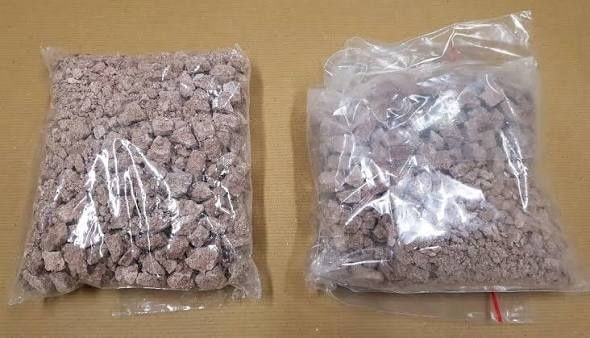
Thai aviation authorities have initiated a comprehensive investigation into the case of a Thai Airways flight attendant detained in Australia after Australian Border Force officers discovered heroin concealed in her baggage. The incident, which unfolded at Melbourne Airport on Thursday, marks a serious breach of aviation protocols and has prompted swift coordinated responses from both Thai and Australian regulatory bodies seeking to establish the full circumstances surrounding the discovery.
The 26-year-old Thai national was working aboard an international flight when screening procedures at Australia's border revealed a white powder hidden within the lining of her bags during routine X-ray examination. The quantity seized exceeded one kilogram, representing a substantial haul that immediately triggered formal involvement of the Australian Federal Police and escalated diplomatic coordination between the two nations' authorities.
Thai Airways International issued a formal statement through its official channels on Monday, signaling the airline's commitment to transparency and cooperation throughout the investigative process. The carrier emphasised that it will work systematically to establish all relevant facts whilst operating strictly within the parameters of local legal procedures in Australia. This measured response reflects the airline's understanding that the case now falls within the Australian judicial system, where the flight attendant faces formal charges and prosecution.
The airline made explicit reference to its established drug policy, which comprehensively prohibits all employees—regardless of rank, from pilots to ground staff—from possessing, importing, transporting, or participating in any drug-related activities or trafficking in prohibited substances. By restating these regulations publicly, Thai Airways sought to distance itself from any suggestion of institutional laxity whilst emphasising that such conduct violates its foundational employment standards. Company officials have framed the matter as reflecting solely the individual actions of the crew member rather than any systemic failure within the organisation's operations or hiring practices.
Parallel to the airline's internal response, Thai Airways has engaged relevant authorities to ensure the detained employee receives proper legal representation and protection of her fundamental rights throughout the Australian legal process. This commitment to safeguarding the crew member's due process, whilst simultaneously maintaining full transparency with investigating officers, demonstrates the airline's attempt to balance competing obligations. The carrier has made clear its intention to provide complete cooperation with all law enforcement agencies involved in unravelling how the contraband came to be transported on the aircraft.
The Civil Aviation Authority of Thailand (CAAT), the nation's primary regulator for aviation security and operations, has similarly mobilised its resources to conduct a parallel investigation from the Thai perspective. CAAT coordinated immediately with airport operators and other carriers to verify preliminary facts and conduct a thorough review of operational procedures, particularly those governing baggage screening and staff vetting. This regulatory scrutiny aims to determine whether there were any lapses in Thailand's aviation security protocols that may have permitted a controlled substance to pass through initial screening stages before the flight departed Thai airspace.
In its statement, CAAT reaffirmed that all passenger and baggage security operations across Thailand's airports strictly adhere to both the regulator's internal standards and the international guidelines established by the International Civil Aviation Organization. This assertion serves to underscore Thailand's commitment to global aviation safety norms, particularly important given that the incident involved a Thai carrier at an international destination. By confirming compliance with ICAO standards, CAAT attempts to reassure the international aviation community that the incident reflects an individual breach rather than systematic shortcomings in Thailand's security infrastructure.
CAAT further clarified the jurisdictional boundaries between aviation security enforcement and drug law enforcement, explaining that whilst aviation authorities focus on preventing prohibited items from entering aircraft, the detection and prosecution of narcotics offences falls squarely within the mandate of statutory law enforcement bodies. This distinction underscores the complex regulatory landscape surrounding aviation security, where multiple agencies must coordinate seamlessly to address different dimensions of the same incident. The regulator emphasised that effective counter-narcotics operations require integrated cross-agency cooperation spanning both domestic entities and international partners.
The regulator indicated that it has been actively collaborating with Thai Airways to monitor the progression of preliminary investigations and will await formal findings before determining what regulatory actions, if any, may be warranted under its statutory powers. Should the flight attendant ultimately be convicted in Australian courts, CAAT signaled its readiness to take appropriate regulatory measures against her aviation credentials and employment eligibility. Such actions would fall within CAAT's authority to sanction aviation personnel who violate safety and operational standards, thereby reinforcing the regulator's role in upholding public confidence in Thailand's aviation sector.
For Malaysian readers and regional observers, this incident carries broader implications regarding enforcement coordination across Southeast Asian aviation networks. The swift response from both Thai and Australian authorities demonstrates how serious drug smuggling attempts involving civil aviation are treated in the region, and how multiple regulatory layers work to prevent repeat incidents. The case also highlights potential vulnerabilities in international crew movements, where personnel regularly transit through multiple jurisdictions, presenting opportunities for contraband to be transported if individual crew members compromise their professional obligations. As aviation links within ASEAN continue to deepen, maintaining rigorous security standards and cross-border information sharing becomes increasingly critical to preventing such breaches from undermining regional travel and commerce.
The outcome of this investigation will likely influence policy discussions within CAAT and potentially influence wider regional aviation security frameworks. If procedural gaps are identified at Thai airports, there may be calls for enhanced screening protocols or modified baggage handling procedures for international crews. Conversely, if investigation findings confirm that security procedures functioned properly and the incident resulted purely from an individual crew member's decision to attempt smuggling, regulatory responses may focus more sharply on personnel vetting and employee integrity monitoring. Either way, the case underscores the perpetual challenge facing aviation authorities in balancing efficient operations with comprehensive security, particularly when staff members with legitimate access to restricted areas are the potential vulnerability point in the system.

