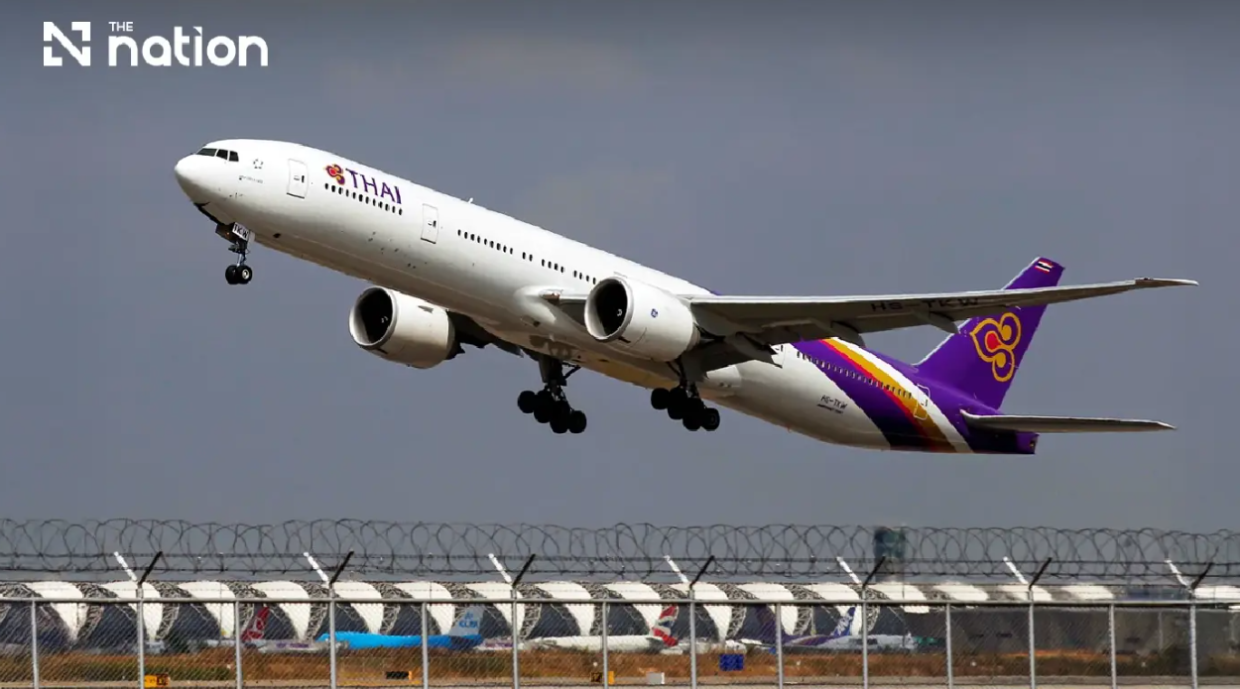
Thai Airways International's chief executive Chai Eamsiri has committed to complete cooperation with Australian law enforcement authorities following the arrest of one of the airline's cabin crew members in Melbourne, declaring that the company will allow the judicial process to proceed without interference. The statement underscores the airline's acknowledgment that the incident poses significant reputational risks at a time when regional carriers are navigating heightened security scrutiny and regulatory pressures across Southeast Asia.
On June 25, Australian authorities apprehended a 26-year-old Thai Airways flight attendant upon arrival at Melbourne Airport on flight TG465 from Bangkok. Investigators discovered more than one kilogramme of heroin in the crew member's baggage, with authorities estimating the street value at approximately A$500,000, equivalent to roughly 11.5 million baht. The discovery has triggered formal charges under Australian federal law, with the suspect facing serious criminal allegations that carry maximum penalties of 25 years imprisonment on each count. The severity of these charges—importing a marketable quantity of a border-controlled drug and possessing a marketable quantity of such a substance—underscores the gravity of the situation and reflects Australia's stringent approach to transnational drug trafficking.
Chai acknowledged that Thai Airways has immediately suspended the crew member from operational duties and established a dedicated fact-finding and disciplinary panel to conduct an internal investigation according to company protocols. The airline expects this panel to complete its assessment within seven days, with the possibility of concluding sooner if evidence becomes clear. Should the internal inquiry substantiate wrongdoing, the airline has indicated it will pursue its maximum disciplinary measure—termination of employment. This swift response reflects corporate damage control efforts typical in the aviation industry, where incidents involving crew members can rapidly erode public confidence and complicate international operations.
The Thai Airways chief openly recognised the reputational damage inflicted by the arrest, characterising it as a serious blow to the airline's standing. More significantly, he raised concerns that the incident could complicate travel and customs procedures for Thai crew members and Thai nationals entering Australia. However, Chai expressed hope that Australian authorities would evaluate such cases individually rather than implementing collective scrutiny affecting all Thai travellers. This concern reflects a broader anxiety within the Thai aviation sector about how individual criminal incidents might trigger systemic responses that compromise the movement of legitimate passengers and workers across borders—a particularly sensitive issue in an era of heightened international aviation security.
The airline emphasised that it maintains stringent protocols governing pilots, cabin crew, and other personnel. Staff members receive mandatory briefings before every flight covering relevant regulations, prohibited items, and prohibitions on transporting illegal goods. Thai Airways operates with more than 4,000 cabin crew members and over 1,000 pilots, a substantial workforce across which individual breaches of conduct can prove difficult to prevent despite comprehensive regulatory frameworks. In response to the Melbourne incident, Chai stated he has instructed relevant departments to intensify supervision and monitoring procedures, suggesting the airline recognises that existing safeguards require reinforcement.
Australian law enforcement agencies—specifically the Australian Federal Police and Australian Border Force—proceeded with charges following their investigation at Melbourne Airport. The suspect was remanded in custody on June 26 and scheduled for subsequent court appearances, with a significant hearing set for September 14 at Melbourne Magistrates' Court. This extended timeline reflects the complexity of international drug trafficking prosecutions and the coordination required between Australian authorities and foreign governments in cases involving international travel and cross-border criminal conduct.
Thailand's Civil Aviation Authority has launched parallel investigations into the incident, contacting both the airport operator and Thai Airways to examine relevant facts and evaluate existing screening procedures. The authority has noted that passenger and baggage screening at Thai airports complies with its own requirements and aligns with standards established by the International Civil Aviation Organisation. The CAAT emphasised that aviation security screening primarily targets items that could endanger aircraft safety, passenger security, and crew welfare—a distinction that highlights the separate jurisdictional boundaries between aviation security objectives and narcotics enforcement operations.
The regulatory authority clarified that responsibility for narcotics enforcement rests with dedicated law-enforcement agencies operating through both domestic and international cooperative mechanisms. However, the CAAT indicated it would monitor Thai Airways' preliminary investigation closely and potentially pursue regulatory action concerning the crew member's aviation certificate if misconduct is established. Such action would serve to protect aviation safety standards and maintain confidence in Thailand's civil aviation sector—considerations particularly important for Thailand's tourism industry and international aviation reputation.
The incident highlights persistent vulnerabilities within international aviation security frameworks, where the distinction between aviation safety screening and customs enforcement creates potential gaps in detection capabilities. For Malaysia and other Southeast Asian nations operating alongside Thai Airways on regional and international routes, the case underscores the necessity of coordinated approaches to crew vetting, baggage screening, and transnational law enforcement cooperation. The incident also raises broader questions about how individual cases of crew involvement in drug trafficking affect bilateral aviation relationships and the ease with which aviation workers from affected countries can transition between international jurisdictions—matters with direct implications for Malaysian carriers and the region's travel and commerce sectors.

