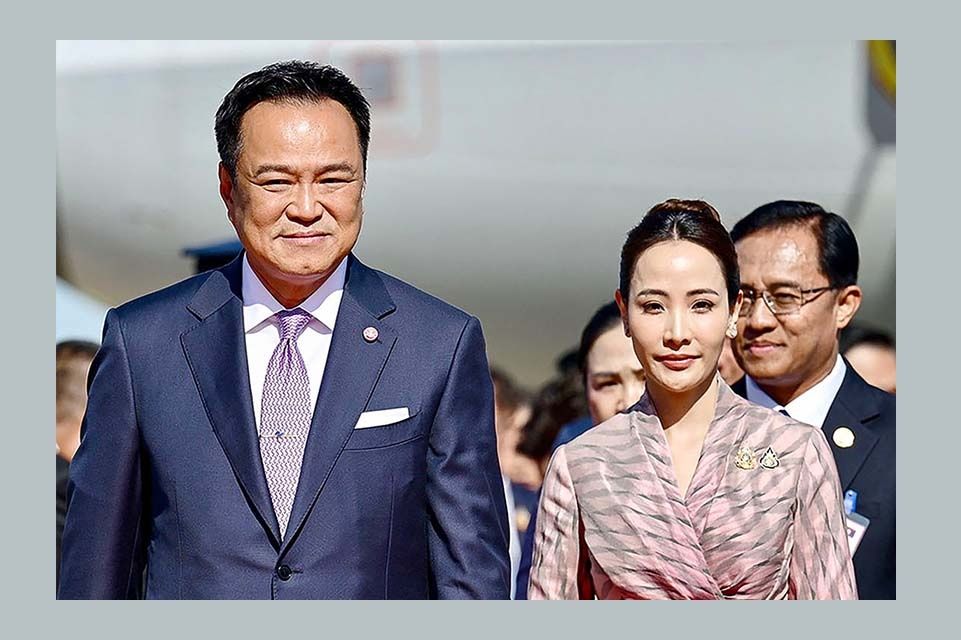
Thai Prime Minister Anutin Charnvirakul is set to undertake an official two-day visit to Malaysia beginning Thursday, July 9, timed strategically to coincide with the inauguration of the region's newest major border gateway. The visit, conducted at the invitation of Malaysian Prime Minister Datuk Seri Anwar Ibrahim, underscores the deepening commitment both nations are extending towards strengthening their cross-border cooperation framework. The timing is significant as it demonstrates high-level political engagement just as critical infrastructure connecting the two countries enters a new operational phase.
The centrepiece of this diplomatic visit is the opening of the new permanent Sadao border checkpoint on July 11, marking a major milestone in Thailand-Malaysia connectivity. According to Thai Government spokesperson Ratchada Thanadirek, the Cabinet approved the operational launch earlier this week, with the facility set to replace the existing Sadao crossing point. This development represents more than mere infrastructure expansion—it signals both governments' determination to modernise border management systems and create seamless movement corridors for people and goods. The visit itself reflects a broader strategic narrative: as Thailand and Malaysia approach the 70th anniversary of their formal diplomatic ties in 2027, both nations are investing in tangible, ground-level improvements that reinforce their bilateral partnership.
The newly constructed Sadao Customs, Immigration and Quarantine complex will operate under standardised daily hours from 5 am to 11 pm Thailand time, providing businesses and travellers with clearly defined crossing windows. Located in Songkhla province on the Thai side, it will directly interface with Malaysia's Bukit Kayu Hitam checkpoint in Kedah, creating an integrated cross-border zone. This geographical linkage is particularly advantageous for the northern Malaysian corridor, where Kedah serves as a gateway to peninsular Malaysia's broader economic hinterland. For traders moving goods between Thailand's northeastern and southern regions and Malaysia's northern states, the time savings and operational efficiencies promised by the new checkpoint could translate into measurable economic gains.
Beyond the checkpoint itself, the Thai government has embarked on a comprehensive supporting infrastructure programme designed to maximise the facility's effectiveness. Cabinet directives have tasked relevant agencies with accelerating construction of connecting roads on the Thai side to ensure smooth traffic flow and reduce bottlenecks that often plague border crossings in Southeast Asia. Authorities have also been instructed to implement congestion-mitigation measures and establish shuttle bus services linking the checkpoint to inland areas, recognising that efficient first-and-last-mile connectivity is crucial to the overall logistics chain. These supporting measures distinguish this checkpoint from merely a border gate; it is being conceptualised as part of an integrated transport ecosystem.
The implications for the Dan Nok border community are particularly noteworthy. Ratchada indicated that authorities will intensify public awareness campaigns targeting local residents and businesses, focusing on new traffic route information, customs procedures, immigration protocols, and measures designed to facilitate smoother cross-border trade and tourism flows. Such campaigns are essential given that border communities often bear the initial adjustment costs when crossing facilities are relocated or upgraded. By proactively engaging with local stakeholders, both governments are attempting to ensure that the transition to the new checkpoint minimises disruption and maximises the benefits accruing to those who depend on daily cross-border commerce and movement.
The economic potential unlocked by improved border infrastructure cannot be overstated for the Malaysia-Thailand trade relationship. Enhanced customs processing capabilities, modern quarantine facilities, and streamlined immigration procedures collectively reduce transaction costs for legitimate traders. Goods that previously faced delays due to congestion or outdated infrastructure can now move more rapidly, lowering working capital requirements and inventory holding costs. For sectors such as automotive supply chains, agricultural products, and manufactured goods, where cross-border supply chains are increasingly integrated, these improvements translate into competitive advantages. The checkpoint also signals Thailand and Malaysia's intent to position their border as a facilitation gateway rather than merely a control point.
Tourism represents another dimension of opportunity. Improved border crossing efficiency directly encourages leisure travel between the two countries. Thai visitors heading to Malaysia's northern tourism destinations and Malaysian tourists exploring southern Thailand face fewer delays and uncertainties, making cross-border holiday packages more attractive. The promotion of tourism through infrastructure modernisation addresses a market segment that often remains undersestimated in discussions of trade logistics but generates substantial foreign exchange and employment, particularly in border communities.
Anutin's forthcoming visit marks his third trip to Malaysia since assuming the prime ministerial office, indicating consistency in Thailand's diplomatic engagement with its southern neighbour. His previous visits included attendance at the ASEAN Summit and Related Summits in Kuala Lumpur in October last year and an official visit on November 26. This pattern of regular high-level interaction contrasts with periods of political volatility in Thailand that sometimes interrupted bilateral engagement, suggesting a stabilisation in Thai governance that permits sustained diplomatic momentum.
From a Southeast Asian perspective, the Sadao checkpoint upgrade exemplifies the region's ongoing push towards physical integration and economic connectivity. As ASEAN Member States continue working towards the goals outlined in strategic frameworks such as the ASEAN Community roadmap, improvements to cross-border infrastructure remain foundational. The Malaysia-Thailand border, historically significant as the main overland gateway between mainland Southeast Asia and peninsular Malaysia, plays a crucial role in regional supply chains and tourism flows. Modernisation of this key crossing point therefore has ripple effects throughout the region's logistics networks.
The checkpoint's opening also occurs within a broader context of Malaysia and Thailand managing migration, security, and public health concerns at their shared border. Modern CIQ facilities with enhanced technological capabilities enable more thorough yet efficient screening, balancing the legitimate need to facilitate trade and tourism with security and regulatory compliance requirements. Both nations have invested in staff training and systems integration to ensure that the new checkpoint meets international standards for border management.

