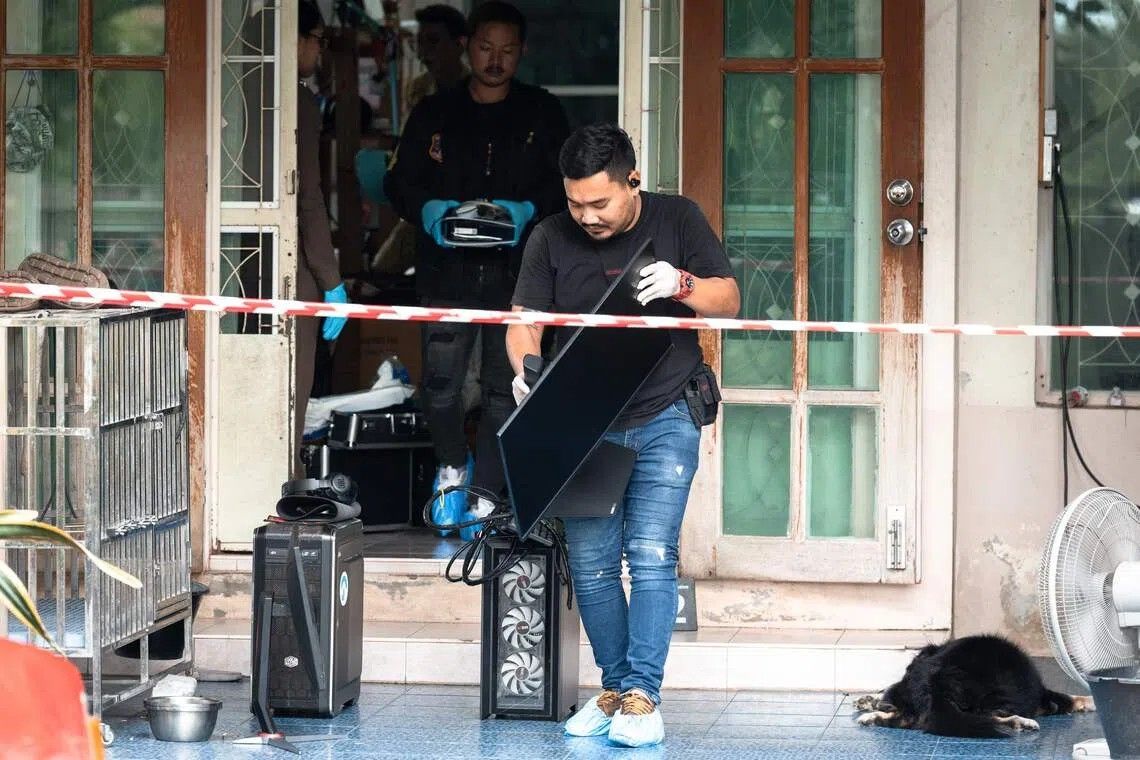
Thai police have begun a detailed examination of the digital footprint left by a 14-year-old suspect in connection with a shooting rampage at Debsirin Nonthaburi School on August 7, focusing on his internet searches and online behaviour as they attempt to piece together the motivation behind the tragedy. Investigators discovered that the teenager had conducted searches related to school shootings in the United States and had spent considerable time playing violent video games, prompting authorities to explore whether these activities may have influenced the attacks, though police have cautioned that no direct causal link has yet been established.
The investigation has expanded to include events at the suspect's home in Bang Khu Rat subdistrict, Bang Bua Thong district, where police believe the teenager fatally shot his grandparents before leaving for school. Officers and forensic teams discovered the bodies at the residence following an initial inspection prompted by the school shooting investigation. Provincial Police Region 1 commissioner Wattana Yichin was present at the property during this phase of the inquiry, underscoring the seriousness of the case. The front door was found locked from the outside, suggesting the suspect secured the premises after departing, before making his way to the educational facility where the subsequent shooting took place.
The timeline of events suggests that the violence began in the family home during the early morning hours, with the teenager subsequently travelling to the school where further tragedy unfolded. This sequence indicates a deliberate progression of actions rather than an impulsive outburst, a detail that may prove significant as investigators work to understand the psychological state and intentions of the suspect. The fact that the teenager secured the house afterwards suggests some level of conscious decision-making, even as the overall incident points to a deeply disturbed state of mind.
Preliminary analysis of the suspect's computer reveals a pattern of engagement with violent entertainment and specific research into real-world shooting incidents. Records indicate that searches concerning American school shootings were conducted from approximately July 30 onwards, providing investigators with a window into when the teenager may have begun contemplating or planning violent action. The combination of these digital activities has naturally prompted speculation about potential influences, though law enforcement officials have emphasized that establishing causation remains a complex investigative challenge.
According to information provided to police by the teenager's uncle, the suspect had resided with his grandparents throughout his childhood and had become increasingly withdrawn, spending prolonged periods engaged with computer gaming while maintaining minimal social contact. The relative reported observing no significant disputes within the household and no outward manifestations of psychological distress that might have served as warning signs to family members. This account paints a picture of isolation and detachment from typical adolescent social activities, a pattern that may have contributed to the suspect's vulnerability to external influences or internal psychological turmoil.
The firearm used in the attacks was legally registered to the teenager's grandfather, meaning the weapon remained within the family residence and accessible to the suspect. This detail raises questions about household firearm security and whether adequate precautions were taken to prevent unauthorized access by a troubled adolescent. The legal status of the weapon does not diminish concerns about how a young person with apparent psychological issues gained access to such a dangerous instrument.
Thananyaporn, the 60-year-old sister of the deceased grandfather, offered additional insight into the family dynamics and the suspect's character. She emphasized that the teenager's parents had separated years earlier, prompting his grandparents to assume full guardianship and provide him with a stable home environment. According to her account, the grandfather, a retired bank manager, maintained a gentle demeanor and would personally transport the boy to and from school each day, suggesting an engaged and caring approach to parenting. The grandmother worked as a teacher, adding another dimension of educational commitment within the household.
Despite these apparently supportive family circumstances, the teenager remained markedly isolated from peer relationships and typical adolescent social development. He did not maintain a friendship group and rarely ventured outside the home, instead concentrating his energies on solitary gaming activities. Thananyaporn stressed that no family conflicts or tensions were apparent to relatives, and she expressed shock that such violence could have emerged from someone she characterized as quiet, polite, and emotionally connected to his grandparents. Her testimony underscores how deeply hidden psychological disturbance can remain, even within close family units.
The investigation continues to focus on establishing a comprehensive timeline of events and identifying potential contributing factors to the attacks. Police have not ruled out academic difficulties, bullying, or other school-related issues as possible triggers, even as they examine the digital evidence relating to violent content consumption. The challenge facing investigators is determining whether the suspect's online activities represented genuine planning and preparation or merely the morbid curiosity of a disturbed teenager. This distinction carries significant implications for understanding the case and for broader policy discussions regarding digital safety and violence prevention.
For Malaysia and the Southeast Asian region, this case raises important questions about the relationship between access to firearms, parental oversight of digital activity, and mental health support systems for isolated adolescents. While Thailand faces distinct regulatory frameworks and social circumstances, the incident highlights transnational patterns in youth violence and the potential role of internet-accessible information about mass violence. Regional authorities may need to strengthen their approaches to identifying at-risk youth, particularly those showing signs of social withdrawal combined with access to weapons and exposure to violent content.

