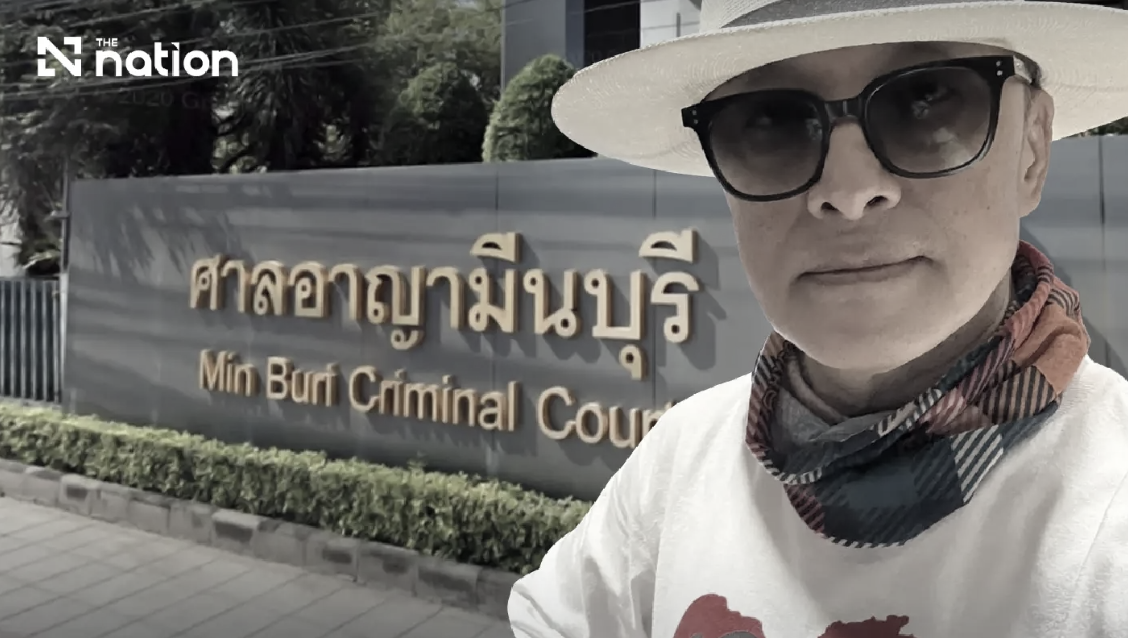
A Thai court has handed down a two-year prison sentence to Manasawin Nantasen, a prominent entertainment figure who earned the moniker Thailand's Michael Jackson during his rise to stardom in the late 1980s and 1990s. The 64-year-old performer, professionally known as Tik Shiro, was convicted of drunk driving resulting in loss of life following a tragic incident on a Bangkok bridge in October 2024 that claimed two lives and sparked national debate about celebrity accountability in the kingdom.
Manasawin built his entertainment career on carefully cultivated imagery that drew explicit comparisons to the King of Pop. His trademark fedora hats, distinctive leather jackets, and polished dance choreography created a persona that resonated with Thai audiences through decades of performances. His visual style and stage presence became so closely associated with Jackson that the comparison became his primary professional identifier in the Thai entertainment landscape.
The fatal incident occurred when Manasawin drove his vehicle across a Bangkok bridge and struck a stationary motorcycle. The collision killed a 28-year-old woman who was riding the bike. Her 21-year-old brother, who was also on the motorcycle, was knocked off the bridge by the impact and fell to the roadway below. The younger sibling sustained critical injuries from the fall and eventually died in hospital weeks later from complications arising from his wounds.
The case rapidly captured public attention when a video circulated showing the distraught singer kneeling at the crash scene in an apparent display of grief. The footage went viral across Thai social media platforms and generated widespread discussion about whether Manasawin would face genuine legal consequences. Thailand has long grappled with perceptions that wealth and celebrity status can provide a shield against serious criminal prosecution, making the outcome of his trial particularly significant.
The Bangkok Criminal Court issued its verdict on Wednesday, June 24, citing the severity of Manasawin's conduct while acknowledging mitigating factors in his favour. The court statement noted that the defendant had surrendered himself to authorities voluntarily and had provided testimony that assisted the legal process. Additionally, the judicial panel recognised that Manasawin attended the funeral services for both victims and made financial compensation payments to the bereaved families, demonstrating remorse that influenced sentencing considerations.
While the imprisonment term represents substantial accountability, the court also imposed additional penalties reflecting the gravity of the offence. Manasawin's driver's licence has been permanently revoked, effectively ending any possibility of him driving legally in Thailand. This measure carries symbolic importance beyond the practical restriction, symbolising an official judgment that his conduct demonstrated dangerous disregard for public safety.
The conviction arrives amid broader cultural tensions in Thailand regarding equal application of the law. The case of rock musician Sek Loso, released from prison on the same Wednesday after completing just over a year of incarceration for drug possession and illegal firearm charges, provides a contrasting narrative of judicial outcomes. While Sek Loso completed his sentence, scepticism persists among ordinary Thais about whether elite figures consistently face proportionate punishment.
Historical precedent fuels this widespread distrust. The 2012 case of Vorayuth Yoovidhya, heir to the Red Bull energy drink fortune, exemplifies the pattern. He faced accusations that his Ferrari struck and killed a Bangkok police officer in an affluent residential neighbourhood. Despite an investigation, Yoovidhya was never formally charged, a resolution that many Thais interpreted as evidence of preferential treatment afforded to the exceptionally wealthy.
Another instance involved the son of former Pheu Thai Party MP Chalerm Yubamrung, who allegedly opened fire on a man during a dispute at a crowded Bangkok nightclub in 2001. Despite the severity of the allegations and the public nature of the incident, he was subsequently acquitted when prosecutors determined the evidence was insufficient to secure conviction. These cases have shaped public perception that Thailand operates under dual systems of justice.
Manasawin's imprisonment therefore carries significance beyond his individual circumstances. The verdict has been interpreted by many Thai observers as evidence that the judicial system can function independently when sufficient public scrutiny exists. The viral video of the crime scene, the widespread media coverage, and the clear loss of life created pressure that potentially facilitated a conviction against a celebrity defendant in circumstances where similar cases might have concluded differently.
For Malaysian and Southeast Asian readers, the Manasawin case illuminates recurring challenges across the region regarding equal justice. Thailand shares with other developing democracies the structural tension between formal legal systems and informal power networks that privilege the connected and wealthy. The case demonstrates both the capacity for accountability and the fragility of that capacity when media attention wanes or when defendants lack the public sympathy that Manasawin's apparent remorse generated.
The outcome also reflects Thailand's entertainment industry acknowledging boundaries, at least temporarily, regarding what behaviour even successful performers might escape. Manasawin's fall from celebrated entertainer to convicted felon marks a notable departure from patterns that have left Thai society frustrated with celebrity impunity. Yet whether this represents a genuine shift in judicial culture or an anomaly driven by exceptional public pressure remains an open question that will influence how Thais perceive future high-profile criminal cases involving prominent figures.