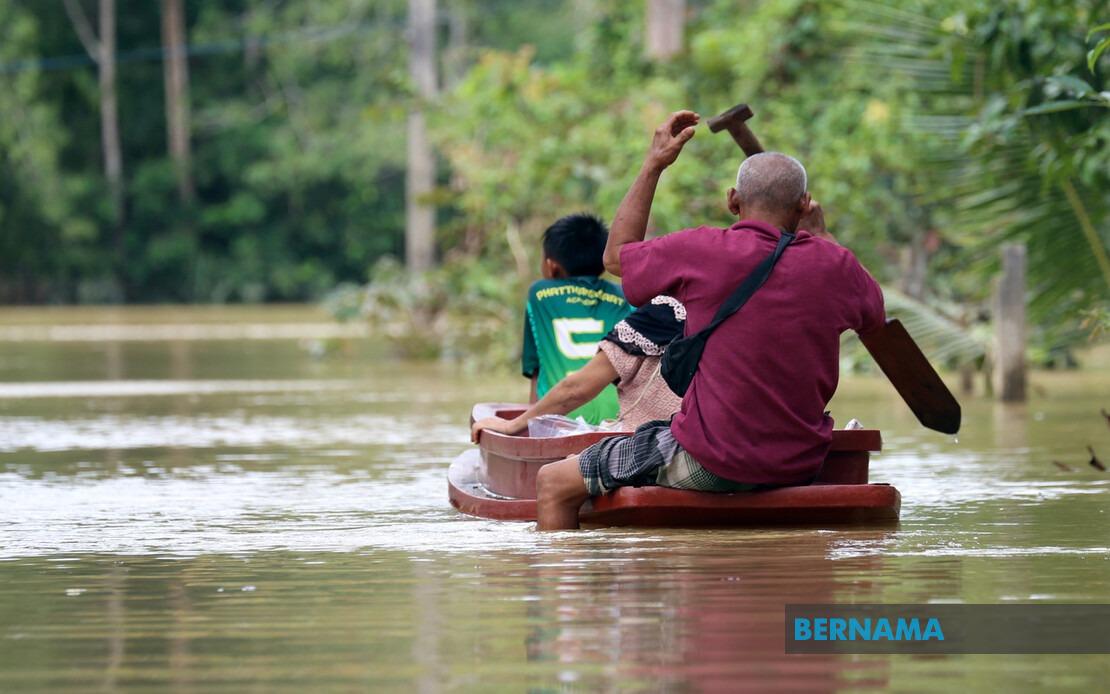
Thailand's government has significantly strengthened its approach to managing concurrent natural disasters by implementing a revamped response architecture designed to handle both acute flood emergencies and longer-term drought challenges. The initiative reflects growing concerns about climate volatility in Southeast Asia, where shifting monsoon patterns and emerging climatic trends pose serious risks to agricultural output, water security, and public safety across the kingdom.
The Thai administration has activated four regional committees tasked with coordinating comprehensive disaster management operations. These bodies represent a shift towards more decentralised decision-making, allowing regional leaders greater autonomy in responding to local conditions while maintaining alignment with national priorities. Deputy government spokeswoman Capt Patdarasm Thongsaluaykorn outlined that the restructured system aims to accelerate assistance delivery to affected populations through improved inter-agency collaboration and unified command structures, recognising that traditional bureaucratic processes often delay critical aid in disaster situations.
The scope of monitoring undertaken by Thai authorities underscores the scale of vulnerability across the nation. Officials are currently tracking 1,363 locations at risk of flooding and 444 areas susceptible to extended dry periods. This extensive surveillance network enables rapid identification of emerging threats and allows preventive measures to be implemented before crises fully materialise. The ability to distinguish between different regional hazard profiles permits authorities to allocate resources strategically rather than applying uniform responses that may prove inadequate in specific contexts.
The regional committees assume multiple operational responsibilities extending beyond immediate emergency response. They are mandated to conduct continuous monitoring of meteorological conditions and water levels, coordinate emergency operations when disasters strike, oversee distribution of relief aid and compensation payments, and direct recovery activities in disaster aftermath. Additionally, these bodies hold authority to direct government agencies within their jurisdictions, assess situational developments, and communicate reliable information to the public—a function increasingly important given the prevalence of misinformation during crises.
Deputy Prime Minister Yodchanan Wongsawat has assumed leadership of the northern regional committee, with the inaugural meeting convened at the Department of Disaster Prevention and Mitigation in Bangkok on Tuesday. The presence of high-ranking officials in these committees signals political commitment to disaster management and potentially facilitates faster escalation of decisions to ministerial level when circumstances demand broader governmental response.
Immediate meteorological concerns have prompted urgent preparedness measures across vulnerable regions. The Thai Meteorological Department has issued warnings of significant rainfall, flash flooding, and river overflow threats affecting northern, northeastern, and eastern provinces. Maritime authorities have restricted small vessel operations in the upper Andaman Sea from August 4 to 9 and the upper Gulf from August 6 to 9, acknowledging that coastal waters pose particular hazards during periods of severe weather. These targeted restrictions reflect the specificity with which Thai authorities now approach disaster planning.
Beyond the pressing flood risks materialising over coming weeks, Thailand faces formidable challenges from anticipated climatic shifts extending years into the future. Climate forecasters warn that a Super El Niño phenomenon anticipated to commence in October and persist through early 2027 could diminish rainfall by at least 10 per cent across affected areas. For a nation where agriculture—particularly rice cultivation—remains economically and socially vital, such a reduction would carry substantial consequences for food security and rural livelihoods.
The confluence of short-term flood threats and medium-term drought prospects creates a complex management challenge requiring simultaneous preparation across multiple horizons. Thai policymakers must balance immediate relief operations with longer-term adaptation strategies addressing water conservation, agricultural resilience, and ecosystem sustainability. The establishment of these regional committees suggests recognition that ad hoc responses prove insufficient when confronting climate variability at this scale.
For regional observers, Thailand's experience illustrates broader Southeast Asian vulnerabilities to climate extremes. The kingdom's proactive establishment of enhanced disaster architecture offers lessons for other nations grappling with similar climatic pressures. Countries across the region face comparable threats from intensified monsoons, shifting precipitation patterns, and extended dry seasons—conditions increasingly common as global climate systems shift. Thailand's emphasis on regional coordination and inter-agency collaboration provides a potential model for other governments developing climate adaptation capacity.
The effectiveness of Thailand's restructured approach will ultimately depend on implementation fidelity and resource availability. Establishing committees and assigning responsibilities represent necessary first steps, but sustained funding, adequate staffing, and genuine inter-agency cooperation remain essential for translating policy frameworks into tangible community protection. The coming months will test whether the new system delivers the accelerated, coordinated response its architects envision, particularly as weather patterns intensify and resource demands peak during the rainy season.
Malaysian stakeholders monitoring the Thai experience should note that similar vulnerabilities exist within Malaysia's own geography. The peninsula and Malaysian Borneo face comparable flood and drought risks, particularly as climate patterns become increasingly erratic. Thailand's emphasis on unified regional command and rapid inter-agency coordination offers relevant insights for Malaysian disaster management authorities considering their own institutional reforms, especially as climate impacts intensify across Southeast Asia's shared environmental systems.

