Thailand has implemented a sweeping one-year moratorium on new firearm carry permits following a devastating school shooting that claimed nine lives on Friday, with Prime Minister Anutin Charnvirakul announcing the measure as part of a broader effort to restore public confidence in security. The nationwide suspension, which takes immediate effect, targets what authorities describe as a critical gap in regulatory oversight, with the government framing the decision as essential to "maintain public order, reduce the risk of violence, and restore public confidence" among citizens.
The Interior Ministry has directed the Department of Provincial Administration to enforce the suspension while simultaneously tightening the approval process for firearm purchase permits at the local level. This dual approach reflects official recognition that existing screening mechanisms had failed to prevent the tragic incident, prompting a comprehensive overhaul of how Thailand vets individuals seeking to acquire weapons. Officials have mandated that all future applications undergo thorough background checks conducted under the framework of the Firearms Act, introducing additional layers of scrutiny that were previously absent or inconsistently applied across provinces.
Beyond halting new permits, the government has committed to enhanced monitoring of existing licensed firearm owners throughout the kingdom. Authorities plan to conduct regular compliance reviews to ensure that those already holding possession permits continue meeting legal requirements and demonstrate responsible weapon management. This surveillance component represents a philosophical shift in Thai gun policy, moving from a largely passive registration system to active, ongoing oversight of the firearms-holding population.
Thailand's firearms regulations impose significant penalties for violations, with offenders facing up to five years imprisonment, fines reaching 10,000 baht ($301), or both. Current law mandates that firearms must remain secured at home except when individuals possess lawful justification for carrying weapons in public, a provision that enforcement officials say requires strengthened compliance mechanisms. The gaps in enforcement of these existing rules suggest that administrative capacity and political will, rather than legislative gaps, may have contributed to the shooting incident.
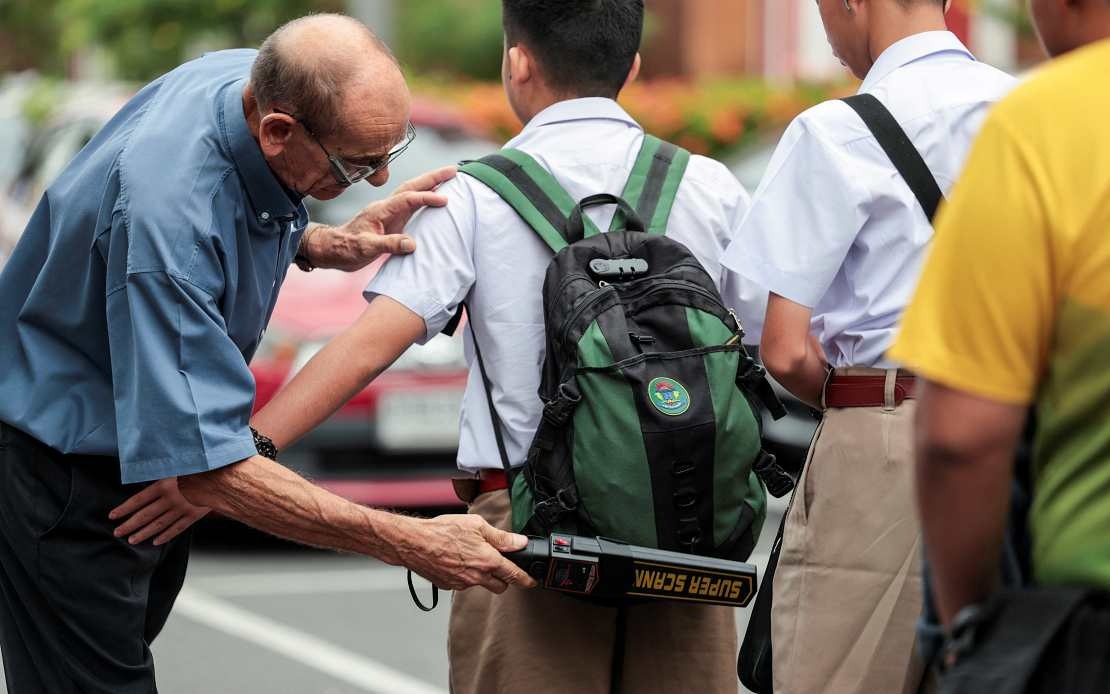
Education Minister Prasert Jantararuangthong has moved beyond the firearms suspension to propose a comprehensive six-point national safety package to Cabinet ministers, reflecting broader concerns about school security and the underlying causes of violence. The proposed framework encompasses mandatory mental health screenings for students, regular emergency preparedness drills, rigorous zero-tolerance policies regarding bullying and weapons possession on school grounds, and enhanced protective infrastructure at educational institutions. This multifaceted approach acknowledges that restricting firearm access alone cannot address the psychological and social factors that may have motivated the shooting.
The tragedy unfolded when the student gunman opened fire at his school on Friday, killing nine people including his own grandparents before taking his own life. The incident shocked Thai society and prompted immediate calls for policy action, with the government responding at pace to demonstrate responsiveness to public concern about school safety. Initial investigations into the shooting have raised questions about whether warning signs were missed and whether mental health support systems functioned adequately prior to the incident.
The timing of the suspension reflects political pressure on Prime Minister Anutin Charnvirakul's administration to demonstrate tangible security measures. The swift announcement also serves to preempt broader criticism of gun ownership policies in Thailand, where firearm ownership rates remain relatively high compared to some Southeast Asian neighbours but substantially lower than in developed nations with significant civilian arsenals. The government's decision to temporarily halt new permits rather than implement permanent restrictions may indicate concern about constitutional and property rights issues associated with wholesale gun prohibition.
Thailand's firearms policy has historically balanced individual rights to self-defence with public safety concerns, creating a regulatory environment that observers describe as moderately permissive relative to regional standards. The suspension represents a significant tightening, though authorities have characterised it as temporary and targeted rather than a precursor to sweeping anti-gun legislation. Implementation challenges loom, given the need for provincial authorities to coordinate across Thailand's varied administrative structures and ensure consistent application of the suspension.
The school shooting also exposed vulnerabilities in Thai institutional responses to mental health crises and social isolation among young people. The Education Ministry's proposed safety package suggests that policymakers recognise links between psychological distress, social alienation, and violent behaviour, particularly among adolescents attending school. Mental health screening mandates could improve early identification of at-risk individuals, though questions remain about treatment capacity and whether Thailand's healthcare infrastructure can accommodate expanded screening requirements.
Separately, authorities arrested a former Thai lawmaker on Monday in connection with the murder of the president of Nonthaburi Provincial Administrative Organisation, suggesting that violence affecting Thai public institutions extends beyond the school shooting context. This incident, occurring simultaneously with the firearms suspension announcement, reinforces perceptions among citizens that security threats pervade multiple levels of Thai society and governance.
Regional observers have noted that Thailand's rapid policy response contrasts with slower legislative processes in some neighbouring countries facing comparable challenges. The suspension may establish a template for other Southeast Asian nations weighing responses to isolated but highly publicised shooting incidents. Malaysia and other regional governments monitoring Thai developments will likely evaluate whether the suspension mechanism effectively reduces firearm-related violence or merely displaces problems without addressing root causes.
Enforcement of the suspension across Thailand's 77 provinces will test administrative capacity, particularly in rural areas where oversight may be weaker. Local officials responsible for implementing screening procedures will require clear guidance and training to prevent inconsistent application. The government faces the challenge of maintaining public confidence by demonstrating that the suspension translates into tangible safety improvements rather than serving merely as a symbolic policy gesture.

