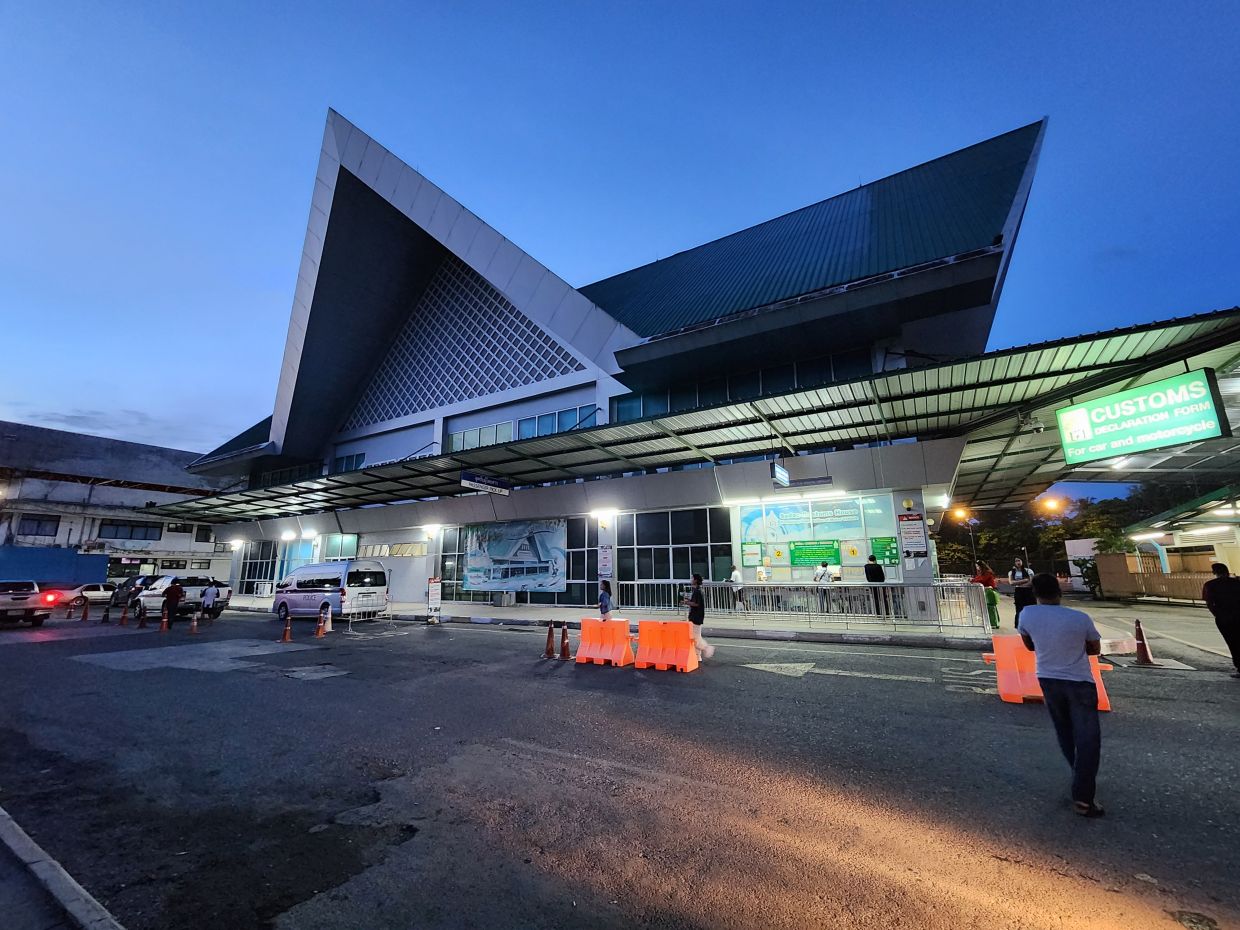
Thailand has taken a significant step toward strengthening its economic ties with Malaysia by approving the establishment of a new permanent border checkpoint in the southern province of Songkhla. The Thai cabinet's decision on Tuesday to open the fresh Sadao crossing, commencing operations on July 11, represents a strategic move to facilitate smoother movement of goods, services, and travellers across one of Southeast Asia's crucial land borders. This development comes at a time when both nations are seeking to maximise regional connectivity and capitalise on opportunities within the ASEAN economic framework.
The newly designated checkpoint, positioned between boundary markers 23/9 and 23/10, will supersede the existing crossing located at markers 22-23. Rather than closing the old facility, this represents a modernisation effort that establishes an additional permanent gateway for bilateral traffic. Operating hours have been set from 05:00 to 23:00 daily, a substantial window that acknowledges the logistical demands of cross-border commerce and the patterns of regional travellers. The extended hours are particularly significant for freight operators and businesses relying on time-sensitive deliveries, as they provide greater flexibility compared to more restrictive access windows at some neighbouring checkpoints.
Government spokesperson Ratchada Thanadirek emphasised that the initiative extends beyond merely opening a gate—it demands comprehensive infrastructure preparation on Thailand's side. Authorities have been instructed to accelerate construction of connecting roads leading to and from the checkpoint, a critical component often overlooked when evaluating border infrastructure projects. Equally important is the resolution of existing traffic congestion points, which have historically plagued the Sadao area during peak periods. The government's commitment to arranging dedicated shuttle services further demonstrates intent to address practical mobility challenges that could otherwise undermine the checkpoint's effectiveness.
Songkhla province, which borders Malaysia directly and serves as Thailand's primary gateway to the peninsular nation, has been assigned oversight responsibility for monitoring implementation progress. This localised governance approach recognises that provincial authorities possess contextual understanding of regional dynamics and community concerns. The provincial administration's involvement should help ensure that infrastructure improvements align with existing transportation networks and accommodate local stakeholder needs, from transport operators to small traders who depend on seamless border passage.
Beyond physical infrastructure, Thai officials recognise that successful border operations depend heavily on stakeholder awareness and institutional readiness. Ratchada indicated that comprehensive information campaigns will target multiple constituencies: private sector enterprises, business operators engaged in cross-border commerce, and local communities residing near the checkpoint. These campaigns will address practical concerns including optimised traffic routing, transparent customs procedures, and immigration protocols. Additionally, the government plans to communicate its business facilitation measures to potential traders, emphasising that the new checkpoint comes with simplified processes rather than merely duplicating existing bureaucratic requirements.
The timing of this development aligns strategically with Thai Prime Minister Anutin Charnvirakul's official visit to Malaysia scheduled for July 9-10, occurring just days before the checkpoint becomes operational. This convergence reflects deliberate diplomatic sequencing, as the new crossing provides tangible evidence of bilateral commitment during high-level discussions. Anutin will visit at the invitation of Malaysian Prime Minister Anwar Ibrahim, signalling Malaysia's equal investment in strengthening the relationship.
During this bilateral visit, the two governments plan to formalise their collaborative vision through a joint statement addressing several interconnected policy domains. Border development features prominently, underscoring mutual recognition that territorial boundaries should function as economic bridges rather than barriers. Regional connectivity initiatives form another pillar, reflecting both nations' participation in broader ASEAN integration frameworks such as the Master Plan on ASEAN Connectivity. Security cooperation against transnational crime acknowledges persistent challenges in shared border regions, including human trafficking, drug smuggling, and arms proliferation—issues that neither nation can effectively combat unilaterally.
The economic partnership dimension of the anticipated joint statement appears particularly significant, with designated emphasis on food and energy security. Malaysia, as an energy exporter with substantial petroleum reserves and palm oil production capacity, complements Thailand's agricultural strengths and industrial manufacturing base. Enhanced bilateral trade in these critical sectors could buffer both economies against supply chain disruptions affecting Southeast Asia, particularly given global uncertainty surrounding energy markets and food commodity volatility. For Malaysian businesses, the new checkpoint offers reduced logistical costs when accessing Thai markets and investment opportunities, potentially stimulating cross-border commercial ventures and employment.
From a Malaysian perspective, this initiative represents more than infrastructural development—it signals Thailand's serious engagement with regional partner nations in advancing collective prosperity. The Sadao checkpoint's inauguration will likely reduce transport times for goods moving between Malaysia's manufacturing zones and Thai industrial hubs, potentially reshaping regional supply chain configurations. Companies currently routing cargo through alternative pathways or incurring higher transit costs may find fresh competitive advantages through the Sadao gateway. Tourism flows could similarly intensify, as smoother border crossings encourage leisure travel and business tourism across the Malaysia-Thailand border, benefiting hospitality sectors in both nations.
The broader geopolitical implications deserve consideration as well. Both governments are demonstrating commitment to pragmatic cooperation despite occasional diplomatic tensions that characterise regional relationships. By investing in physical infrastructure and streamlining administrative procedures, Thailand and Malaysia are constructing institutional foundations for sustained economic interdependence. This approach contrasts sharply with fortress-like border mentalities that some nations adopt, suggesting that Southeast Asian countries increasingly recognise mutual benefit through openness and facilitation rather than restriction and control.
Successful implementation will require sustained coordination between Thai and Malaysian authorities across multiple administrative levels. Customs officials, immigration personnel, infrastructure engineers, and provincial administrators must operate seamlessly to realise the checkpoint's potential. The infrastructure investments alone—including road construction and traffic management systems—will require significant financial allocation and project management expertise. Equally challenging will be training border officials to apply simplified procedures consistently while maintaining security standards and revenue collection protocols.

