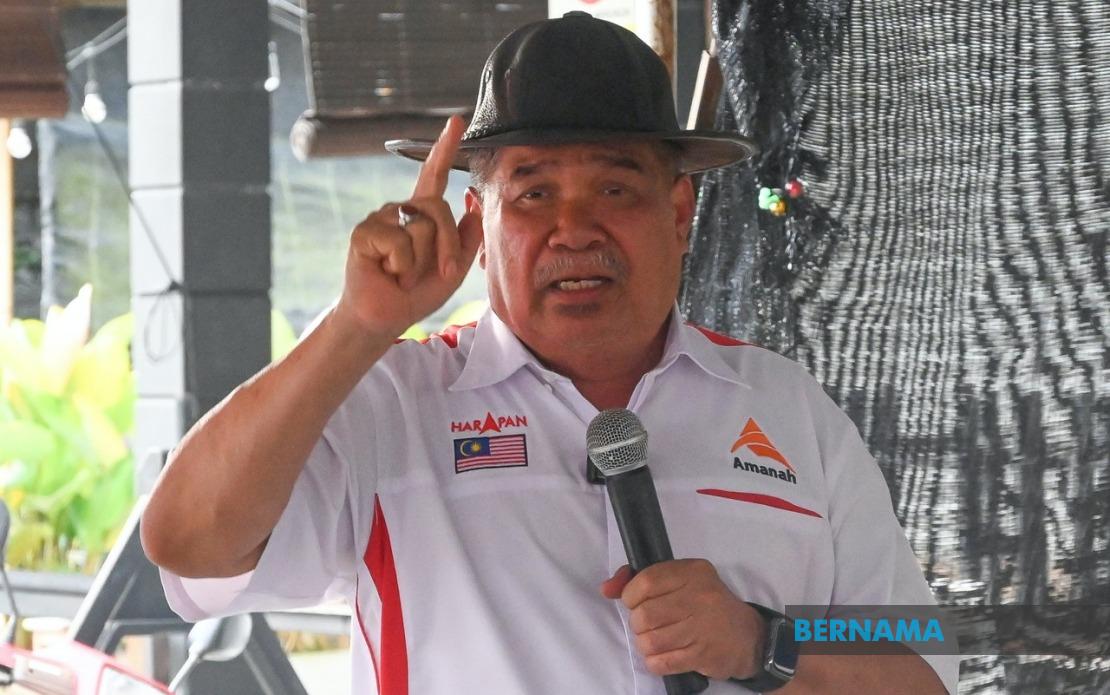
Malaysia's Agriculture and Food Security Minister Datuk Seri Mohamad Sabu indicated on August 8 that protracted negotiations with Thailand over shrimp imports are entering their closing phase, with a breakthrough anticipated within the coming fortnight. Speaking in Kota Bharu following his attendance at a major agricultural roadshow, the minister expressed confidence that outstanding disputes would be resolved by mid-August, though he did not elaborate on the specific terms being negotiated or the sticking points that have prolonged discussions.
The diplomatic standoff centres on Malaysia's June 1 decision to impose a temporary embargo on five commercially important shrimp varieties originating from Thailand. The restricted species—brown tiger shrimp, banana shrimp, white shrimp, tiger shrimp, and blue shrimp—represent significant portions of Thailand's aquaculture exports to the Malaysian market. The ban was implemented as part of what Malaysian agricultural authorities characterised as enhanced biosecurity measures aimed at tightening controls on seafood shipments from neighbouring producers.
For Malaysian importers and seafood retailers, this trade friction has created supply chain complications and uncertainty about inventory replenishment. Thailand ranks among Malaysia's leading suppliers of farmed shrimp, and the suspension has forced many businesses to either seek alternative sources at potentially higher costs or deplete existing stocks. The retail and food service sectors have faced upward pricing pressure, ultimately affecting consumer costs. A rapid resolution would restore market stability and allow established supply chains to resume normal operations.
The significance of this dispute extends beyond bilateral commerce. It reflects broader regional tensions over food safety standards and agricultural trade practices within Southeast Asia. Malaysia's unilateral action, while framed as a public health safeguard, highlighted the vulnerability of smaller economies reliant on regional food imports and the leverage that importing nations can exercise through regulatory mechanisms. Other ASEAN producers have watched developments closely, aware that similar restrictions could be applied to their own exports if Malaysian authorities identify similar concerns.
Modahad Sabu's public statements suggest negotiations have progressed sufficiently that both governments view a settlement as achievable within weeks rather than months. The transparency of the minister's timeline—placing a specific deadline on talks—indicates either genuine confidence in imminent agreement or political pressure to demonstrate progress on an issue that has drawn scrutiny from Thailand and concern from Malaysian businesses dependent on Thai supplies.
Beyond the immediate shrimp question, Mohamad outlined Malaysia's broader agricultural ambitions through the upcoming MAHA 2026 exhibition, scheduled for late August through early September. The biennial showcase will emphasise technological advancement and modernisation across farming, aquaculture, and food production sectors. The minister revealed that the event has attracted international participation from Africa, Central Asia, China, Britain, Japan, and the United States, reflecting global recognition of Malaysia's role in regional agricultural development.
The expansion of MAHA's international footprint underscores Malaysia's strategic positioning as a hub for agricultural innovation and technology transfer within Asia. By hosting delegations from diverse regions, the country positions itself as a meeting point for agricultural best practices and investment opportunities. This positioning gains particular importance given Malaysia's acknowledged heavy dependence on food imports—a vulnerability that motivates both the government's push toward self-sufficiency in key commodities and its interest in global agricultural partnerships.
The minister projected that MAHA 2026 would attract approximately five million visitors, matching attendance from the 2024 edition, with national day celebrations expected to boost footfall further. The exhibition targets RM58 million in direct sales and RM8 billion in potential investment commitments, figures that reflect the economic significance of Malaysia's agricultural sector and the competitive intensity surrounding food production technology and innovation.
The Road to MAHA 2026 preparatory campaign, which concluded in Kota Bharu, had previously visited Kedah, Selangor, Melaka, and Labuan. These regional events served as promotional platforms and consultation forums with state authorities, federal agencies, and industry stakeholders. The East Coast roadshow specifically acknowledged the agricultural importance of the region, where fishing and aquaculture remain economically vital, making the shrimp import resolution particularly relevant to local communities and businesses.
For Malaysian policymakers, the balance between maintaining agricultural trade relationships and enforcing robust food safety standards remains delicate. The impending resolution of the Thailand shrimp dispute will test whether Malaysia can achieve both objectives simultaneously—securing market access for regional producers while maintaining credible biosecurity frameworks that protect domestic consumers and support local farming interests.
The resolution of this trade friction, when it materialises, will serve as a template for how Malaysia manages similar disputes with other regional suppliers. If negotiations conclude successfully within the stated timeframe, it would demonstrate that ASEAN partners can resolve agricultural trade conflicts through dialogue rather than prolonged restrictions. Conversely, if disputes persist beyond mid-August, it may signal deeper structural problems in how Southeast Asian nations coordinate food safety standards and agricultural regulations.

