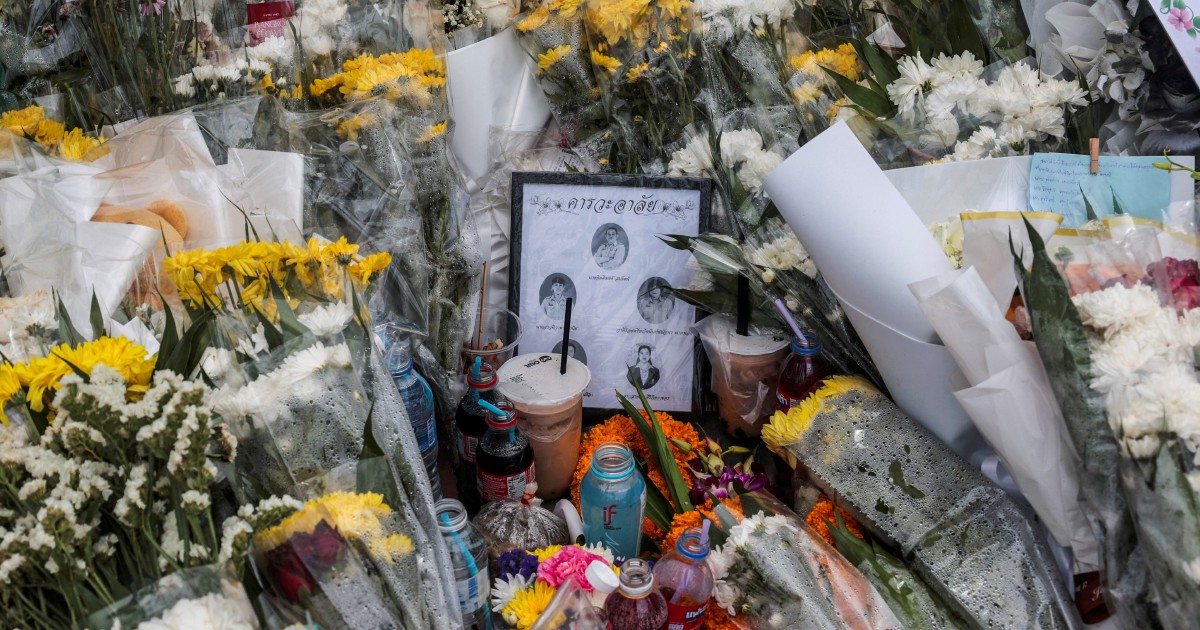
Thailand's government has moved swiftly to tighten gun ownership regulations, with the nation's Prime Minister announcing a suspension of firearms licences in response to a devastating school shooting that claimed multiple lives last week. The decision represents a significant intervention in the country's approach to civilian gun ownership, coming as families mourned the victims in Nonthaburi where cremation ceremonies were held for those who died in the attack.
The suspension of gun licences signals the Thai government's determination to prevent similar tragedies through administrative measures targeting the legal acquisition and retention of firearms. This policy response reflects growing international pressure on nations to examine their gun control frameworks following mass shooting incidents, though the effectiveness of such measures remains subject to debate among policy analysts and public safety experts.
The incident itself involved a teenager who carried out the school shooting before killing his grandparents, making the event a complex tragedy that highlights potential warning signs involving intergenerational family conflict and access to weapons among younger individuals. The Prime Minister's focus on licensing suggests authorities believe tighter controls over who may legally possess firearms could have prevented or mitigated the violence, though the investigation into what motivated the attack continues.
Cremation ceremonies held in Nonthaburi provided an opportunity for affected communities and family members to pay respects to the victims and begin the grieving process. In Thai Buddhist tradition, cremation represents both a practical disposal method and a significant spiritual ritual believed to facilitate the soul's transition after death, making these ceremonies important cultural and religious events rather than mere logistical procedures.
The government's firearms licensing suspension raises important questions about how existing gun owners will be affected and what timeline authorities expect for the policy. Whether the measure represents a temporary emergency response or signals intention toward permanent legislative reform remains unclear, though international observers will likely scrutinise whether Thailand follows through with comprehensive gun control legislation.
School safety has become an increasingly urgent concern across Southeast Asia, where several nations have experienced mass casualty incidents on educational campuses in recent years. Thailand's response, focused on civilian access to weapons rather than school security measures alone, suggests policymakers believe reducing the number of privately held firearms offers the most direct path to prevention.
The suspension of gun licences will likely require substantial administrative effort, as authorities must review tens of thousands of existing permits and determine which holders meet new criteria. Licence holders may face re-evaluation, renewal challenges, or outright revocation depending on how strictly the government implements the suspension, creating potential legal disputes and administrative delays.
For Malaysian readers, Thailand's experience offers instructive lessons about how neighbouring governments approach firearms policy following tragedy. Malaysia operates under different legal frameworks governing gun ownership, with strict regulations already limiting civilian access to firearms, but comparative analysis of how different nations respond to mass violence can inform ongoing debates about public safety policy.
The psychological impact of the school shooting extends beyond immediate victims and their families, potentially affecting student enrolment, teacher recruitment, and community trust in educational institutions throughout the affected region. Authorities will need to balance security measures with maintaining schools as welcoming learning environments where children feel safe.
International observers note that firearms licensing suspension, while symbolically important, represents only one component of comprehensive violence prevention strategies. Addressing underlying causes such as mental health services, family support systems, community intervention programmes, and social factors requires sustained investment and political commitment extending far beyond regulatory changes.
As Thailand proceeds with its firearms policy review, questions about mental health screening, domestic violence prevention, and early intervention with at-risk individuals will likely emerge as complementary policy areas requiring attention. The shooting demonstrates how family contexts, weapon access, and individual psychological states intersect to create conditions for tragedy.
The ceremony honouring the victims in Nonthaburi symbolises Thailand's collective grief while the government's administrative response reflects institutional attempts to prevent recurrence. Whether these measures prove sufficient or whether further legislative action becomes necessary will depend on findings from ongoing investigations and public health assessments of underlying risk factors.

