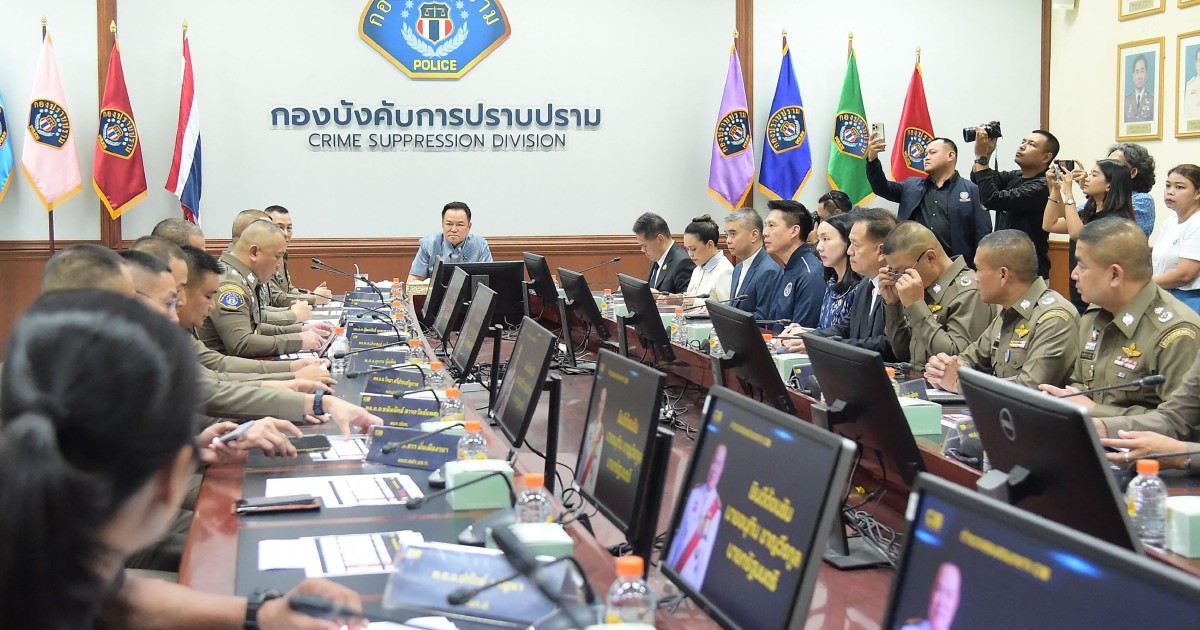
Thai authorities announced plans on Thursday to suspend nearly 6,000 civil service employees caught up in a sweeping examination fraud case, signalling an unprecedented crackdown on systemic dishonesty within government ranks. The scandal represents one of the most serious integrity breaches the kingdom's bureaucracy has faced in recent years, threatening the credibility of the nation's recruitment mechanisms and raising questions about oversight procedures that allowed such widespread manipulation to occur undetected.
The examination cheating scheme emerged through investigation into what officials described as coordinated wrongdoing affecting multiple recruitment cycles. Rather than isolated incidents, the pattern suggests organised fraud that penetrated deep into Thailand's civil service recruitment process, the gateway through which thousands of government employees enter the public sector annually. This systemic nature distinguishes the current scandal from typical individual cheating cases and points toward potential complicity at institutional levels that authorities are determined to expose.
Three individuals have already been arrested in connection with the conspiracy, though investigators indicated the inquiry would likely extend further as they uncover the network's full scope and operational methods. The arrested suspects are believed to have played significant roles in facilitating the cheating, though specific details regarding their positions and involvement remain under investigation. Prosecutors are examining whether the scheme operated across multiple government departments or centred on particular agencies seeking to manipulate recruitment outcomes.
The suspension notices targeting the 6,000 employees represent an unusually forceful administrative response. Rather than allowing the process to proceed through lengthy disciplinary hearings, authorities are moving swiftly to remove those implicated while investigations continue. This approach minimises the risk of further misconduct and sends a strong message that participation in examination fraud carries severe consequences regardless of an employee's tenure or rank within the bureaucracy.
For Malaysia and other Southeast Asian nations, Thailand's scandal offers cautionary lessons about the vulnerabilities within civil service systems. Recruitment examinations form the foundation of meritocratic governance, and their integrity directly affects institutional performance and public confidence. The ease with which Thailand's fraud apparently operated raises concerns about whether comparable weaknesses exist in neighbouring countries' examination protocols, particularly regarding invigilation procedures, answer verification systems, and oversight mechanisms.
The ramifications extend beyond individual suspensions to encompass questions about how fraudulent recruitment corrupts organisational culture over time. Employees who gained positions through cheating may lack the competencies expected from legitimate recruits, potentially degrading service delivery across affected departments. Long-serving officials who succeeded through merit face demoralisation knowing their achievements occurred within a system compromised by dishonest competitors, while public trust in government competence inevitably suffers when citizens discover their tax-funded agencies employed unqualified personnel.
Thailand's response demonstrates both the determination to address the scandal and the administrative challenges of managing such large-scale personnel action. Suspending 6,000 workers simultaneously creates operational disruptions requiring careful management to maintain service continuity. Authorities must balance the imperative for swift disciplinary action against the practical need to preserve government functionality, a tension that will define how thoroughly and fairly the suspension process unfolds.
Investigators face significant work establishing individual culpability across such a vast cohort. Not all suspended employees may have engaged in cheating equally; some may have benefited from fraud unknowingly, while others orchestrated the conspiracy. Determining appropriate consequences for varying degrees of involvement will test Thailand's administrative justice system and its ability to distinguish between masterminds and unwitting beneficiaries.
The scandal's revelation raises questions about preventive measures that should have been implemented earlier. Modern examination systems employ technological safeguards—biometric verification, surveillance monitoring, randomised question selection—that Thailand's recruitment process apparently lacked or failed to enforce effectively. Overhauling these procedures will require investment and training, but represents essential groundwork for rebuilding system credibility.
International observers will watch how Thailand pursues prosecutions against those bearing responsibility for orchestrating the scheme. Demonstrating that high-level facilitators face meaningful accountability, rather than lower-ranked participants alone, will prove crucial for public perception of whether the crackdown targets genuine wrongdoing or becomes merely performative. The distinction between suspension and conviction also matters; suspended employees may seek reinstatement if investigations ultimately find insufficient evidence against them, requiring authorities to maintain rigorous documentation throughout the process.
For Thailand's regional standing, resolving this scandal decisively affects perceptions of institutional quality that foreign investors and development partners assess when considering engagement. Countries hosting international organisations and global businesses require demonstrable commitment to professional governance standards. The swift response signals that commitment, though the actual execution will ultimately determine whether Thailand emerges with strengthened systems or merely restored surface appearances masking persistent vulnerabilities.

