The artificial intelligence revolution has an acoustic signature that most people never see coming. What begins as a faint mechanical hum—comparable to a neighbour's air-conditioning unit or a distant aircraft—transforms into something far more intrusive for those living nearby: a relentless, all-encompassing vibration that penetrates homes day and night. This is the hidden cost of the cloud, a phenomenon that has prompted residents across the United States to take unprecedented legal action against the very infrastructure powering the digital economy.
The proliferation of data centres reflects the explosive growth of AI computing demands. The United States now hosts over 3,000 operational data centres with more than 1,500 additional facilities under development, according to analysis by the Pew Research Center. These sprawling industrial complexes—often containing thousands of servers and chips processing billions of operations daily—have functioned largely invisibly, tucked into industrial zones and repurposed manufacturing sites. Yet the computational power required by modern artificial intelligence applications has fundamentally changed the scale and intensity of these facilities, triggering an unprecedented wave of construction that is bringing data centres closer to residential communities than ever before.
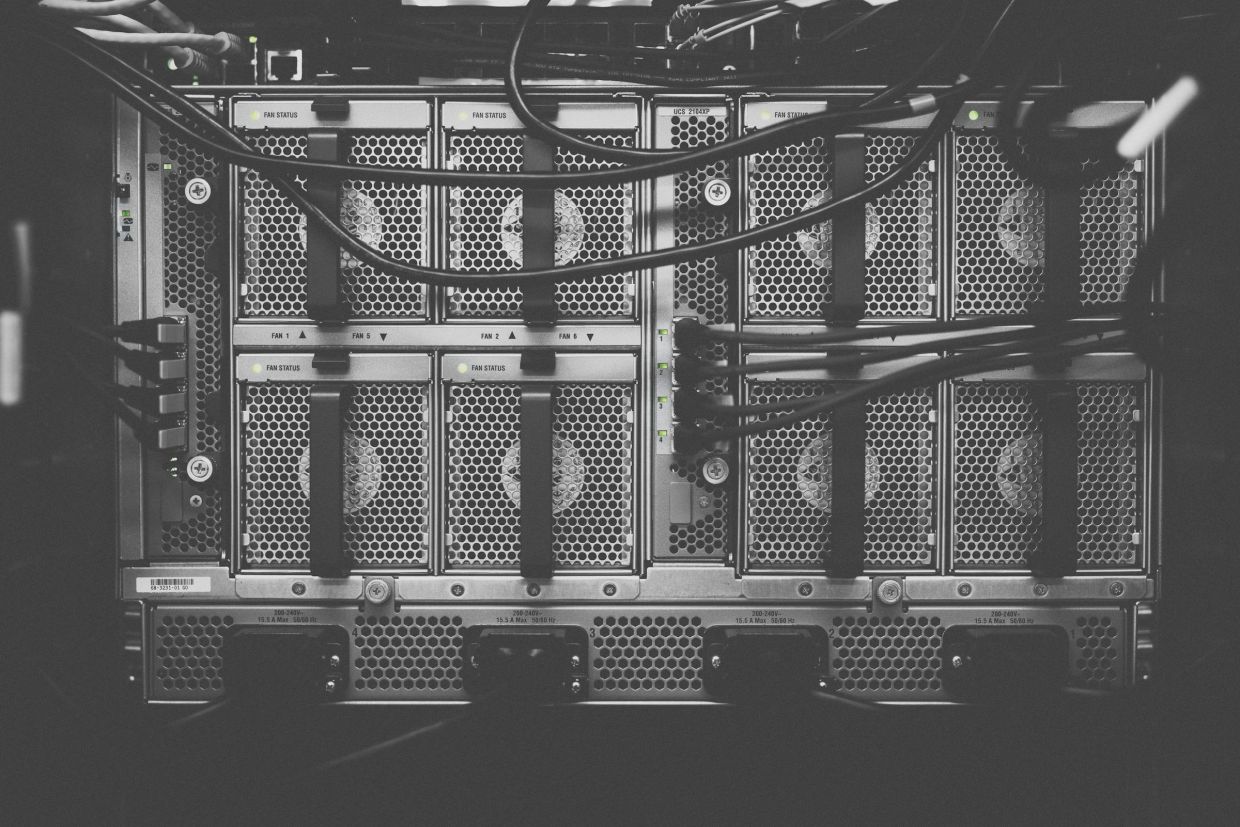
The physics of data centre operation creates the noise problem. Thousands of memory chips generate enormous amounts of heat that must be constantly dissipated through massive industrial cooling systems. Giant fans circulate air at high volumes, while diesel-powered generators provide backup power when the electrical grid cannot support the facility's enormous consumption. These components emit a complex acoustic signature that extends far beyond traditional industrial noise. Les Blomberg, executive director of the nonprofit Noise Pollution Clearinghouse, describes the acoustic footprint as being on a different order of magnitude entirely from conventional facilities, with sound waves audible and perceptible for hundreds of feet and sometimes up to a mile away.
Particularly troubling is the infrasound component of this noise pollution. These ultra-low-frequency sound waves fall below the threshold of human hearing, yet their effects are anything but inaudible. Rather than being heard consciously, infrasound is experienced physically as pressure fluctuations throughout the body—similar to the deep vibration of bass frequencies at a concert. Scott Hamilton, a consultant with the Acoustical Society of America who works on data centre projects, explains that this sensory mechanism renders traditional noise measurement and mitigation approaches inadequate for addressing modern data centre operations. The human body absorbs and responds to these frequencies in ways that conventional acoustic engineering was never designed to counter.
The health consequences for nearby residents are measurable and significant. Those living in proximity to data centres generating infrasound frequently report chronic sleep deprivation and insomnia, debilitating headaches, internal ear pressure, and elevated anxiety levels. These are not minor inconveniences but serious quality-of-life issues that accumulate over months and years of constant exposure. The inability to sleep peacefully has cascading health implications, affecting cognitive function, immune response, and emotional wellbeing. Yet residents searching for legal recourse discover that the regulatory framework governing noise pollution was never designed to address this type of threat.
The regulatory vacuum explains why residents have had to resort to litigation. Noise pollution control in the United States operates primarily through local zoning ordinances—a patchwork of regulations originally crafted to address temporary or intermittent noise sources like block parties, barking dogs, or construction activity. These ordinances are fundamentally inadequate for addressing the constant, round-the-clock industrial hum of modern data centres. At the federal level, meaningful oversight effectively disappeared in the early 1980s when the Reagan administration defunded the Environmental Protection Agency's Office of Noise Abatement and Control, treating noise regulation as an example of unwanted governmental overreach. Richard Neitzel, a professor of environmental health sciences at the University of Michigan, notes bluntly that while federal regulations technically exist, there is no institutional capacity to enforce them. The regulatory apparatus designed to protect public health from noise pollution has been essentially dismantled.
Three separate lawsuits now challenge data centre operators, representing a significant legal escalation. In Vineland, New Jersey, homeowners have filed a federal lawsuit against DataOne USA, which operates three server rooms already generating constant machinery noise and is constructing an additional complex that will eventually require 300 megawatts of power—equivalent to the electrical demand of a medium-sized city. Resident Stefanie Bartiromo describes the noise as resembling a helicopter that never moves or a heavy-duty truck running perpetually, particularly noticeable during nighttime hours when attempting to sleep. The plaintiffs argue that while these facilities may technically comply with existing zoning codes, the constant vibration and noise cause substantial depreciation in property values and eliminate the fundamental right to quiet enjoyment of one's home. They seek damages for losses already incurred and enforceable improvements to sound mitigation measures.
DataOne and other defendants argue that their facilities bring economic benefits and employment opportunities to communities. The company claims it has already implemented noise-reduction measures and commits to further improvements as construction progresses, while emphasising its role as a responsible community member contributing to local economic development. This tension between economic development and quality of life reflects a broader challenge facing manufacturing-dependent regions. The other defendants in pending litigation—operators in Dowagiac, Michigan, and Lowell, Massachusetts—similarly justify their presence through job creation and the revitalisation of formerly abandoned industrial sites. The 30-megawatt facility in Dowagiac, for instance, repurposed a building that previously stored boats and recreational vehicles, transforming underutilised infrastructure into productive use.
For Malaysian and Southeast Asian readers, this issue carries important implications. As artificial intelligence adoption accelerates across the region, neighbouring countries will inevitably face pressure to establish or expand data centre capacity. The regulatory lessons emerging from North American lawsuits suggest that policymakers in Malaysia and throughout Southeast Asia should act proactively rather than reactively. Current zoning and noise regulations in most regional jurisdictions were developed under assumptions about industrial activity that no longer apply. Without deliberate policy intervention now, communities may find themselves facing similar health impacts and property value depreciation as AI infrastructure expands.
The geographic concentration of data centres near population centres compounds the problem. Pew Research found that nearly 40 per cent of homes in the United States now sit within eight kilometres of at least one operational data centre, with this proximity increasing as new facilities continue development. This expanding envelope of affected residents indicates that data centre noise will eventually become a mainstream public health concern rather than a localised problem affecting a handful of communities. The current moment presents a critical window for regulatory reform, before patterns become entrenched and affected populations become too dispersed to organise effective political pressure.
The fundamental question these lawsuits raise extends beyond compensation for existing harms. They challenge whether current regulatory frameworks adequately protect public health and property rights in an era of intensive computational infrastructure. The infrasound phenomenon particularly exposes the inadequacy of traditional noise metrics, which measure audible frequencies but fail to capture the persistent physical vibrations that disrupt sleep and trigger neurological responses. As AI computing demands accelerate globally, communities everywhere must grapple with whether existing protections suffice or whether new regulatory paradigms specifically addressing data centre operations are necessary. The outcome of these American lawsuits will likely reverberate internationally, shaping how other nations approach the intersection of technological progress and residential wellbeing.

