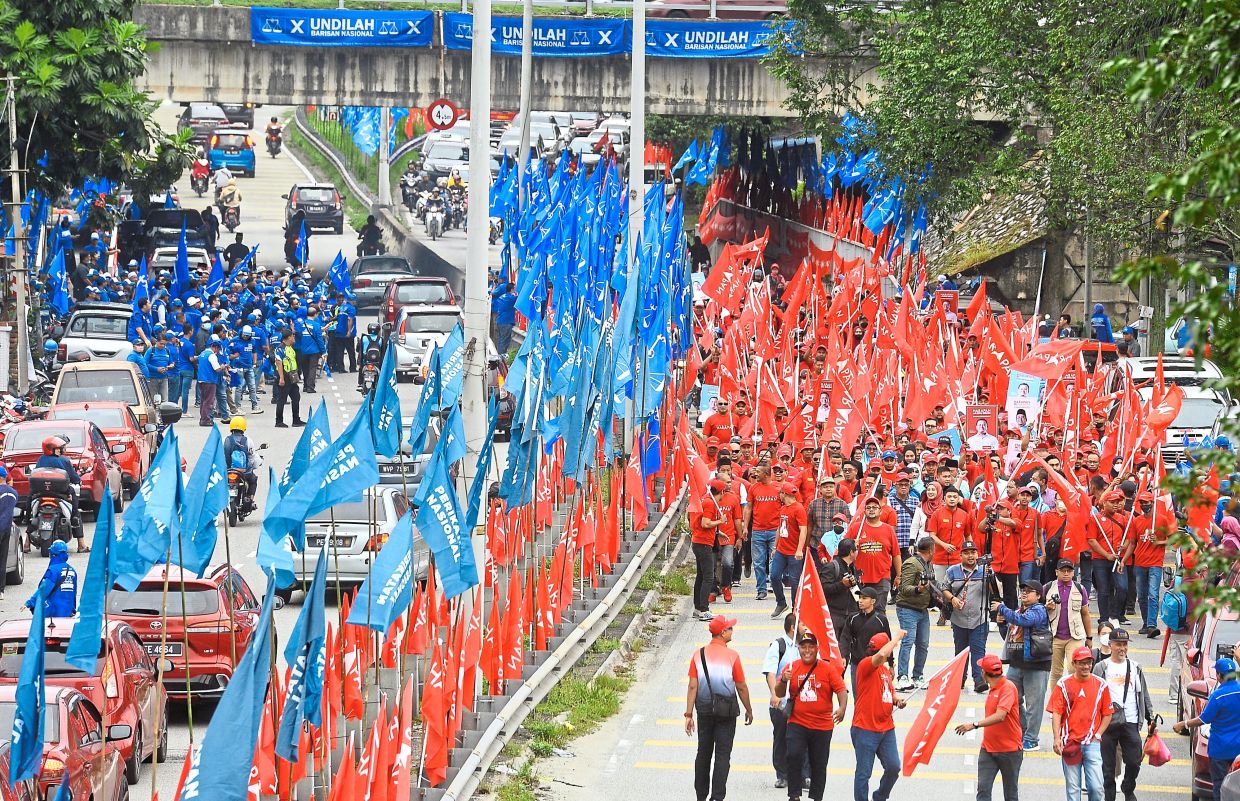
The approaching state elections in Johor and Negri Sembilan will trigger a familiar yet predictable wave of psychological strain across Malaysia's political landscape. While the general public views election season as a period of civic engagement and democratic participation, the reality beneath the surface reveals a far more complex emotional terrain. Politicians and ordinary citizens alike will find themselves navigating heightened anxiety, fractured relationships, and physiological stress responses that extend well beyond voting day. Understanding these patterns offers crucial insight into how electoral cycles shape not just our political choices, but our fundamental wellbeing as individuals and communities.
For political actors themselves, the emotional stakes have never been higher. Weeks before candidates are formally announced, ambitious politicians grapple with existential uncertainty about whether they will receive party nominations at all. This preliminary anxiety—the waiting, the speculation, the jockeying for position—represents the first psychological hurdle in what becomes a months-long ordeal. Those who navigate this initial selection gauntlet face an entirely different set of fears. Incumbents and established figures confront the possibility of electoral rejection, a prospect that threatens not merely their political careers but their social standing and sense of personal worth. The prospect of losing office carries implications far beyond job loss; it can feel like a comprehensive erasure of identity and influence carefully cultivated over years or decades.
The emotional burden on candidates intensifies dramatically once the campaign machinery begins. Sleep deprivation becomes commonplace, energy levels plummet, and irritability spreads like wildfire through personal and professional relationships. Campaign schedules leave little room for self-care or respite, transforming what should be a focused period of public engagement into a grinding endurance test. Simultaneously, the digital ecosystem amplifies every concern. Unverified stories circulate rapidly across social media platforms, designed to undermine opponents through character assassination and fear-mongering. These viral narratives, often bearing only tangential connection to truth, compound the psychological pressure on candidates who must simultaneously manage their own emotions while responding to attacks on their reputation and integrity.
Yet Malaysian politicians have demonstrated a remarkable capacity to absorb this emotional turbulence and channel it into sustained effort. Even when circumstances appear unfavourable, many candidates summon the resilience to campaign vigorously and present their best case to voters. This psychological fortitude, while admirable, comes at considerable cost to their personal wellbeing and family relationships. The broader electorate, however, cannot be dismissed as mere spectators to this political theatre. Voters themselves experience measurable stress during election periods, regardless of their political affiliation or investment in particular outcomes.
The sources of voter anxiety are multifaceted and interconnected. Constant media coverage transforms elections from periodic events into omnipresent background noise that intrudes upon workplaces, family dinners, and social gatherings. As political coverage intensifies, conversations become more frequent and often more contentious. The multiplication of political parties, shifting alliances, and complex coalition arithmetic create genuine confusion about which parties actually represent particular policy positions. This confusion itself generates anxiety; voters feel uncertain whether their vote will achieve intended outcomes when party strategies seem to shift with bewildering frequency. Beyond confusion lies a deeper concern rooted in identity politics. As voters increasingly tie their personal identities to political affiliations, disagreement transforms into something that feels like personal rejection or betrayal. Political differences cease being merely strategic disagreements and become existential conflicts.
This psychological polarisation carries real consequences for social cohesion and mental health. When election results disappoint supporters, the disappointment often metastasises into broader anxiety about the country's direction and personal security. Fear that one's preferred party has lost governance capacity translates into worry about policy changes affecting everything from education to economic opportunity. The negativity permeating campaign discourse, amplified endlessly through news channels and social media algorithms, creates an environment saturated with resentment and bitterness. People become hyperreactive to political content, irritable in their personal interactions, and prone to withdrawal from social circles where political disagreements might surface. Families find themselves fractured along political lines. Friendships become strained. Workplace relationships deteriorate when colleagues hold opposing political views.
While Malaysian society has historically demonstrated a remarkable capacity to set aside electoral rancour once votes are counted—with political rivals smiling and embracing despite months of bitter campaigning—the interim period before that resolution arrives exacts a significant psychological price. Election anxiety functions identically to other forms of sustained stress, triggering cascading physiological responses that threaten both immediate comfort and long-term health. The autonomic nervous system, when activated by perceived threat or uncertainty, floods the body with adrenaline and cortisol. Excessive adrenaline increases cardiovascular risk, particularly for vulnerable populations. Elevated cortisol disrupts multiple bodily systems: blood sugar regulation suffers, immune function diminishes, and blood vessels constrict, collectively elevating risk for numerous chronic conditions.
Beyond these systemic effects, election anxiety directly impacts the amygdala, the paired neural structures responsible for processing emotions, consolidating memories, and making decisions. During periods of heightened stress, the amygdala can become hyperactive, triggering disproportionate emotional responses to neutral or minor stimuli. This neurobiological reality explains why election season often feels emotionally destabilising even for individuals who maintain rational perspective about political outcomes. International research validates this Malaysian experience. British studies during the 2019 general election found that one in three respondents reported negative mental health impacts due to uncertainty about post-election policy. American surveys a year before the 2024 presidential election showed 56% of adults identifying elections as significant life stressors. These patterns demonstrate that election anxiety transcends national boundaries, suggesting something fundamental about how democratic processes interact with human psychology.
Malaysia lacks comparable longitudinal research on election anxiety specifically, yet anecdotal evidence and observable behaviour patterns suggest the phenomenon manifests with comparable intensity here. The upcoming state elections in 2026, combined with widespread speculation about earlier federal elections, will activate this psychological machinery across multiple segments of the population simultaneously. Some voters approach polling day animated by gratitude toward incumbent administrations or conviction about preferred alternative governments. Others wrestle for months with policy preferences, ideological considerations, and calculations about which candidates or parties best serve their interests. Still others defer their decision-making until the final moments before voting. Across this spectrum, emotional intensity rises steadily from announcement through election day.
Personality differences significantly mediate how individuals experience election anxiety. Some people possess natural psychological resilience that buffers them against electoral stress, viewing electoral competition as a normal democratic process requiring temporary adjustment. Others carry cumulative experiences—previous electoral disappointments, economic hardship following unfavourable election outcomes, or belonging to historically marginalised communities—that amplify their emotional investment and anxiety during electoral periods. These personality variations and historical contexts shape both mental experience and voting behaviour, creating diverse responses to identical electoral circumstances. Understanding this diversity proves essential for maintaining social harmony and protecting community wellbeing during inherently destabilising periods.
The psychological intensity of electoral cycles will inevitably intensify as Malaysia approaches 2026 and beyond. Voters, politicians, and community leaders would benefit from acknowledging this reality and implementing deliberate strategies to protect mental health and preserve relationships across political divides. Recognising that election anxiety represents a legitimate psychological phenomenon rather than personal weakness normalises the experience and reduces shame-based suffering. Creating spaces where citizens can discuss political differences without escalating to personal animosity helps maintain social bonds. Perhaps most importantly, reminding ourselves that Malaysian electoral cycles historically conclude with surprising harmony and goodwill among political rivals offers perspective and hope during the anxious interim period.

