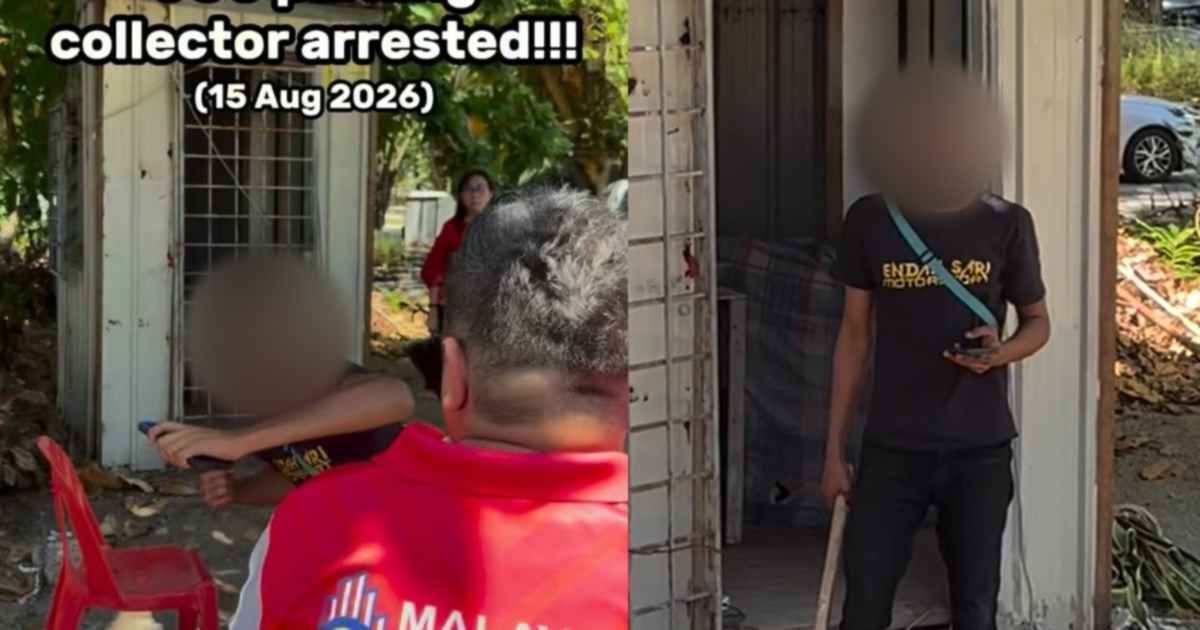
Three men have been arrested by Kuala Lumpur police following an alleged attack on a 38-year-old woman in the OUG residential area. The confrontation centred on the collection of unauthorised parking fees, with the victim reportedly struck in the head and subjected to intimidation by the accused individuals.
The arrest comes amid growing concerns about rogue parking attendants operating in residential neighbourhoods across the Klang Valley, who demand fees from vehicle owners without proper licensing or municipal authorisation. Such unauthorised collection schemes have become increasingly prevalent in housing estates and commercial areas, creating tension between residents and individuals claiming authority over parking arrangements.
According to witness accounts gathered during the police investigation, the woman challenged the three men when they approached her vehicle demanding payment for parking. Rather than complying with her request for proper documentation or explanation of their authority, the situation escalated into physical confrontation. The alleged assault represents a serious escalation from the typical disputes that occur when residents question the legitimacy of parking fee demands.
The incident highlights a worrying pattern of individuals exploiting parking management as an opportunity for extortion or unlicensed commercial activity. In many Malaysian residential areas, poorly regulated parking infrastructure has created space for unscrupulous operators to position themselves as unofficial collectors, targeting unsuspecting motorists. The lack of clear signage, official identification, or transparent fee structures makes it difficult for residents to distinguish legitimate parking management from outright fraud.
For Malaysian communities, particularly those in established residential estates like OUG, the proliferation of such schemes represents both a safety concern and a breakdown in neighbourhood order. When residents feel unsafe confronting suspicious individuals on their own property, it undermines the sense of security that residential areas should provide. The incident also raises questions about policing and enforcement in residential zones, where residents must often take matters into their own hands to challenge unauthorised operators.
The physical nature of the alleged assault introduces criminal charges beyond the original dispute over parking fees. Assault charges carry serious implications under Malaysian law, and the apparent use of threats alongside violence suggests premeditated intimidation designed to prevent the victim from reporting or resisting. This behaviour is consistent with patterns seen among criminal networks that use violence to maintain control over quasi-legal schemes in residential areas.
Police investigations into such incidents often reveal broader criminal networks involved in multiple illegal activities across various neighbourhoods. Parking fee collection schemes frequently serve as cover for organised extortion, with the same individuals operating across multiple housing estates and commercial zones. The relatively low risk of detection, combined with vulnerable victims unwilling to report for fear of retaliation, has made such schemes attractive to opportunistic criminals.
Residents across the Klang Valley have increasingly reported similar encounters, though many incidents go unreported due to fear or resignation. The visible arrest of these three individuals sends a signal that such behaviour will face legal consequences, potentially deterring similar operations. However, enforcement remains challenging given the scale of the problem and the limited resources dedicated to investigating what some view as minor neighbourhood disputes.
The case raises important questions about property security and management in Malaysian residential estates. Proper parking management should be handled by legitimate bodies with clear authority, proper identification systems, and transparent fee structures. When parking management remains unclear or informal, it creates openings for criminal exploitation. Property management companies and municipal authorities bear responsibility for establishing clear systems that protect residents while ensuring parking areas function effectively.
Moving forward, this incident may prompt discussions about strengthening oversight of parking management in residential areas. Residents are being advised to verify the legitimacy of any individual claiming parking fee authority by requesting official credentials and contacting their property management or local council directly. Where unlicensed individuals demand parking fees without proper documentation, residents are encouraged to report the matter to police immediately rather than engaging in confrontation.
The arrest of these three men represents one enforcement action against a larger problem affecting multiple communities. For Malaysia's residential neighbourhoods to remain safe and secure, systemic solutions are needed alongside police action. This includes clearer municipal guidelines on parking management, better communication between authorities and residents, and community vigilance against individuals exploiting grey areas in neighbourhood governance.

