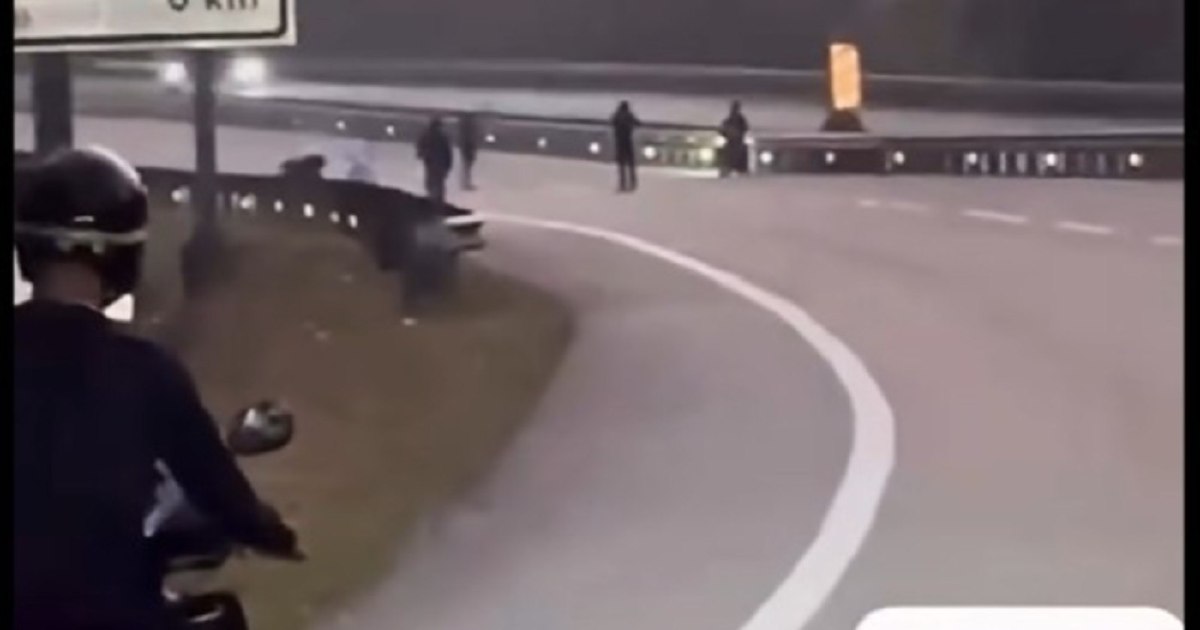
Police investigations into the viral video that showed a group of motorcycle enthusiasts allegedly sealing off the Second Link highway to conduct an unauthorised race have resulted in three fresh arrests made in Kuala Lumpur, marking an escalation in law enforcement action against organised illegal street racing activities in the region.
The arrests represent a widening net of criminal prosecution as authorities pursue individuals suspected of orchestrating or participating in the high-profile incident that drew widespread public condemnation and sparked conversations about road safety on Malaysia's key transport corridors. The Johor police force has intensified its crackdown following the incident, which generated significant online attention and raised serious concerns about the vulnerability of major highways to misuse by racing communities.
Second Link, which serves as the crucial transport artery connecting Malaysia to Singapore, carries substantial daily traffic volumes comprising commercial vehicles, private cars, and coaches. Any disruption to this vital corridor creates cascading effects on regional logistics and commerce, making the alleged closure particularly problematic from both safety and economic perspectives. The incident underscores the recurring challenges authorities face in combating illegal street racing culture, which has become increasingly organised and sophisticated across Malaysia's urban and suburban regions.
The detained suspects are currently undergoing police interrogation at Kulai, where investigators are seeking to establish the complete organisational structure behind the video's production and the actual race event. Preliminary investigations suggest the group may have coordinated extensively to orchestrate the closure, indicating premeditation rather than an impulsive act. This level of planning raises questions about how such operations evade detection and what communication channels are being exploited to mobilise participants across state lines.
The Second Link incident represents a particularly audacious manifestation of illegal racing culture that has evolved significantly over recent years. What once constituted spontaneous encounters between individual racers has transformed into coordinated events featuring substantial participant networks, professional videography, and deliberate infrastructure seizure. This evolution indicates that some racing communities now operate with operational procedures previously associated with organised criminal activity, including crowd management and lookout deployment.
Law enforcement agencies have identified motorcycle racing communities as a persistent challenge requiring coordinated responses across multiple jurisdictions. The geographic separation between Johor and Kuala Lumpur in this case demonstrates how participants travel considerable distances to participate in or record illegal activities, suggesting a regional network rather than isolated local incidents. The Johor police have indicated their intention to pursue investigations methodically, which may result in additional arrests as they uncover operational links and participant networks.
From a Malaysian road safety perspective, the Second Link incident carries particular significance given the highway's critical role in national and regional transportation infrastructure. The ability of organised groups to temporarily commandeer such a major thoroughfare raises uncomfortable questions about surveillance and security protocols. Authorities will need to implement enhanced monitoring systems and response mechanisms to prevent future occurrences, particularly on highways identified as vulnerable to similar disruptions.
The viral nature of the original video created secondary complications for law enforcement by documenting the incident in detail while simultaneously amplifying its reach and demonstrating apparent organisational capability to potential emulators. Social media amplification of such incidents can inspire copycat activities in other locations, particularly when perpetrators face minimal immediate consequences. The police response appears designed partly to counteract this messaging by demonstrating swift apprehension and prosecution.
Motorcycle racing communities occupy a complex position within Malaysian society, encompassing enthusiasts pursuing legitimate track-based motorsport alongside participants in increasingly dangerous and illegal street activities. This distinction has become blurred as organised illegal racing has developed its own infrastructure, codes, and cultural narratives. The Second Link arrests may prompt broader discussions within motorcycling communities about distinguishing legitimate enthusiasm from criminal activity that endangers public safety.
Legal consequences for participants in such incidents typically encompass multiple charges including obstruction of public thoroughfares, illegal street racing, and potentially rash or negligent driving offences. Sentences for repeat offenders and organisers tend to be progressively harsher, serving as deterrents for potential future participants. The police have signalled their determination to pursue comprehensive prosecutions rather than token charges, suggesting their intention to send strong messaging through the courts.
The Kuala Lumpur arrests indicate that investigation efforts extend beyond immediate participants to encompass the broader support networks that enable such operations. This approach suggests authorities are targeting the organisational architecture underpinning illegal racing activities rather than concentrating solely on individual participants. Such comprehensive investigations require sustained resource allocation and coordination between federal and state police forces, reflecting the seriousness with which authorities now regard organised illegal racing.
Regional implications for Singapore and cross-border logistics operations deserve consideration, as the Second Link serves binational commerce flows and tourism traffic. Any demonstrated vulnerability of the corridor to disruption carries implications for supply chain resilience and bilateral transport security discussions. This incident may prompt enhanced coordination between Malaysian and Singaporean authorities regarding highway safety protocols.
The ongoing investigation will likely reveal additional operational details about financing, recruitment mechanisms, and technical coordination methods employed by the racing network. Such intelligence could inform broader strategic approaches to disrupting illegal racing infrastructure across Malaysia. The three arrests represent an initial phase of what may develop into more extensive prosecutions touching deeper elements of the organisation involved in the Second Link incident.

